
Natural Luxury Hair Colour Starts with Reverse Balayage
A low-maintenance colour solution for a more refined finish
The complete reverse balayage guide. A clear and detailed look at how this method softens bright blonde, adds natural depth, improves dimension, suits modern trends and offers a lower-maintenance colour that feels refined, balanced and easy to wear.
Reverse Balayage and the Return of Natural Depth
The shift from bold blonde to soft natural tones
Many people who went lighter in past seasons now feel their blonde is too bright or too strong. The trend has moved towards natural depth, softer tones and a calmer, more refined look. Reverse balayage fits this change because it brings back dimension without removing the beauty of lightened hair. It keeps the blonde but gives it balance, making the overall look feel more modern and more considered.
It suits modern trends that favour understated, healthy-looking colour
The growing interest in natural colour is shaped by well-known style leaders who wear subtle, blended tones that never look overdone. Their colour focuses on harmony, clean transitions and understated shine. This shift has encouraged clients to choose hair that looks effortless and close to their natural shade, but still polished. Reverse balayage supports this by mixing deeper and lighter tones in a controlled way, so the hair looks richer and healthier.
It keeps your blonde but makes it easier to wear and easier to maintain
This technique also suits people who want less upkeep. Strong blonde often needs frequent toning, while deeper tones hold longer and grow out more softly. Reverse balayage gives space for the hair to rest from constant lightening and creates a look that stays stable for weeks. It is a method chosen by clients who want colour that is both stylish and practical, with a finish that feels natural but still elegant.
What Reverse Balayage Really Means
A colour technique that creates clean, seamless transitions
Reverse balayage is a colouring technique where deeper shades are painted onto lighter hair to create natural depth and smoother dimension. The stylist places darker tones through the mid-lengths, roots or selected sections to restore balance in hair that has become too bright or too even in tone. The aim is not to darken the hair fully but to rebuild contrast so the blonde looks more refined and less overwhelming. It creates a colour that blends into the natural base without hard lines.
Reverse balayage adds controlled depth to blonde hair for a calmer, more dimensional look
The technique is applied freehand, similar to classic balayage, but with reversed placement. Instead of lifting the hair to a lighter level, the stylist adds pigment back into areas that need structure. This controlled placement allows the blonde to remain visible in the right places while gaining a richer backdrop that makes the whole style look more deliberate. The blend is softer than foiled lowlights because the tones melt together in a more natural way. This helps the hair move and reflect light more evenly, giving a smoother finish.
The technique rebuilds contrast without removing the blonde you want to keep
Reverse balayage is also a helpful method when hair needs a calmer, more lived-in look. It supports clients who want their blonde to feel more natural or closer to their original shade without losing the highlights they enjoy. It can correct hair that looks washed out, remove a flat or monotone appearance and give extra shape around the face or mid-lengths. The technique respects the natural undertone of the client and works with several depth levels to achieve a result that feels modern and easy to maintain.
The Results You Can Expect from Reverse Balayage
Clear improvements in tone, depth and overall balance
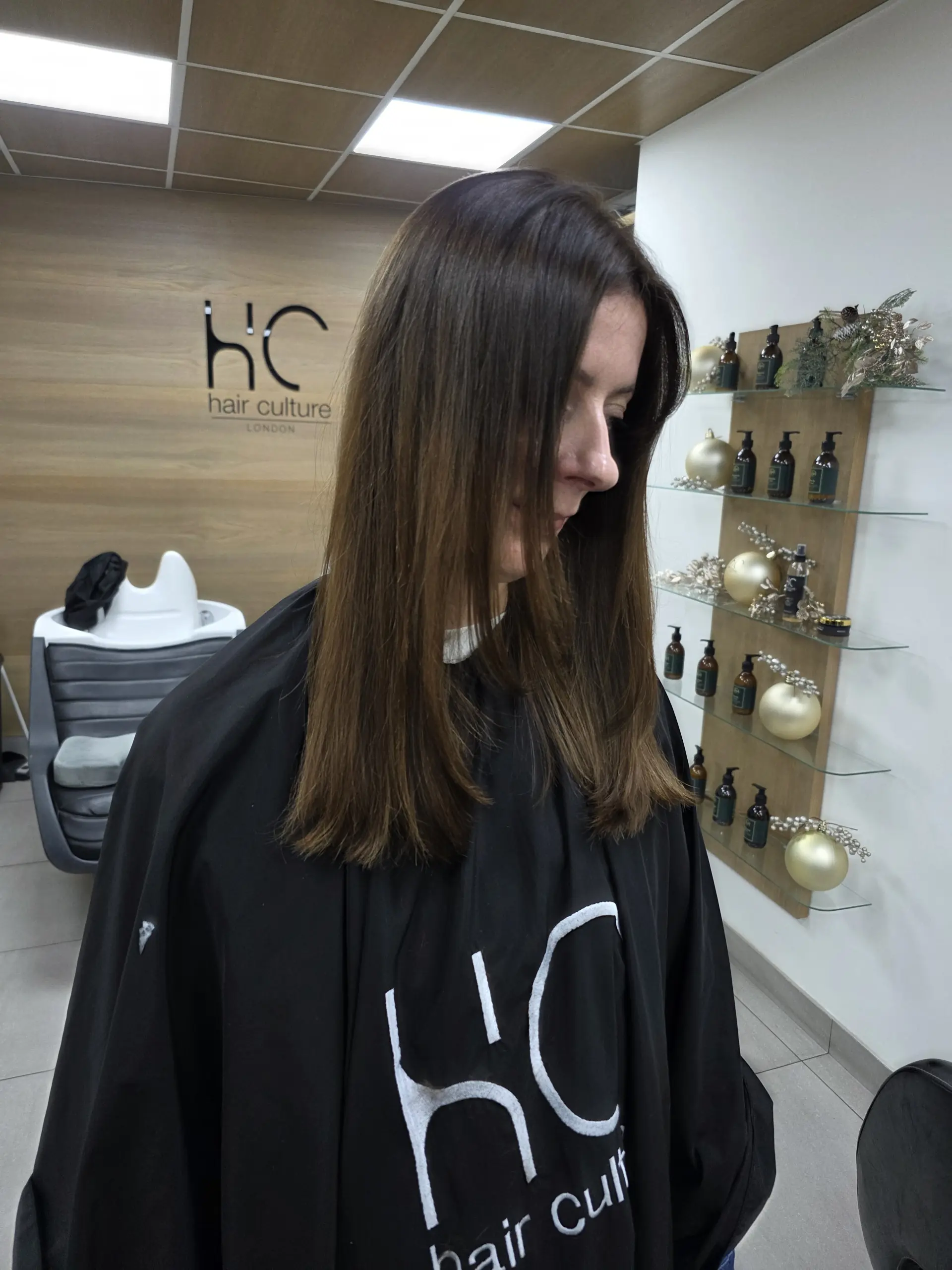
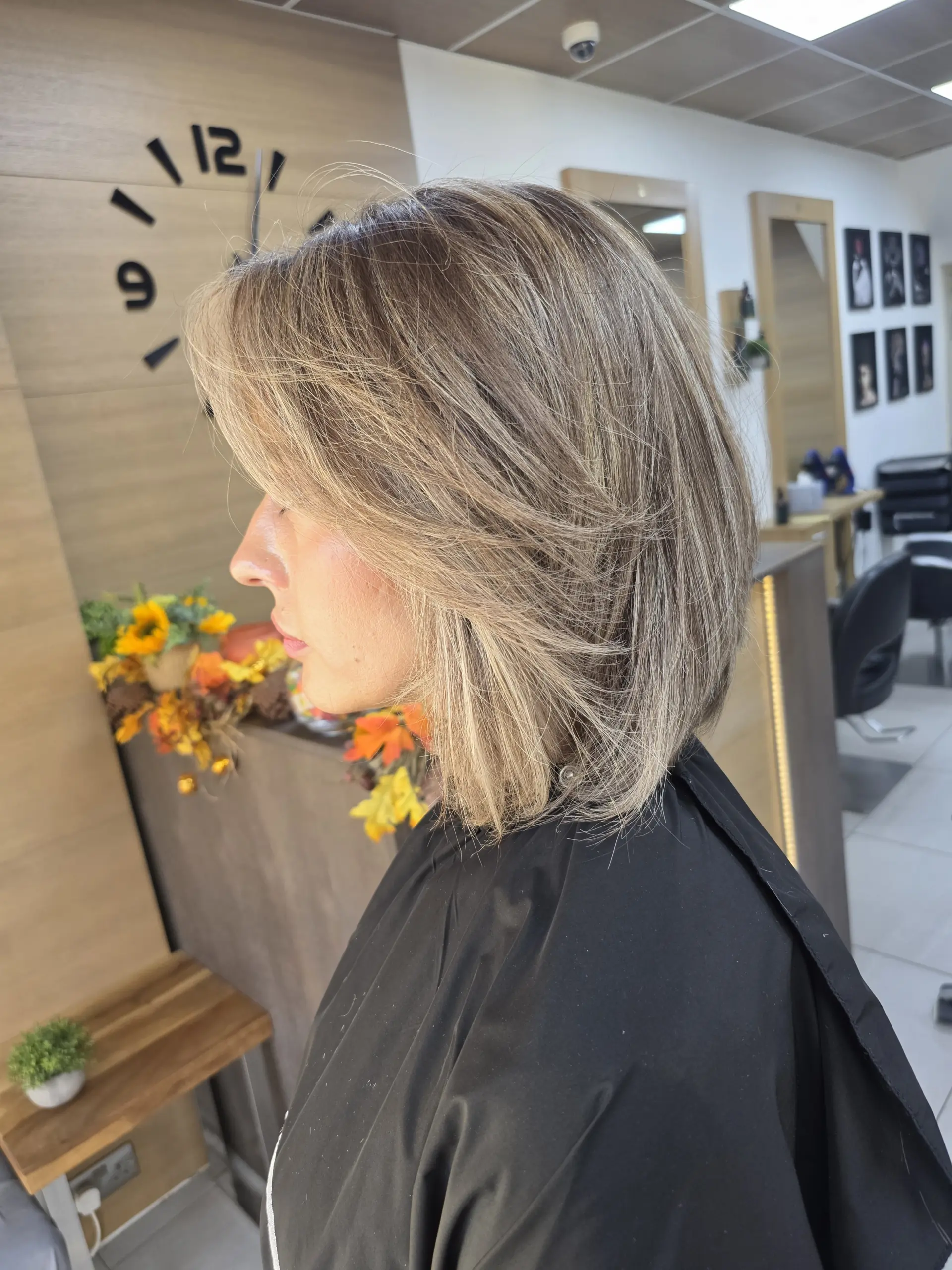
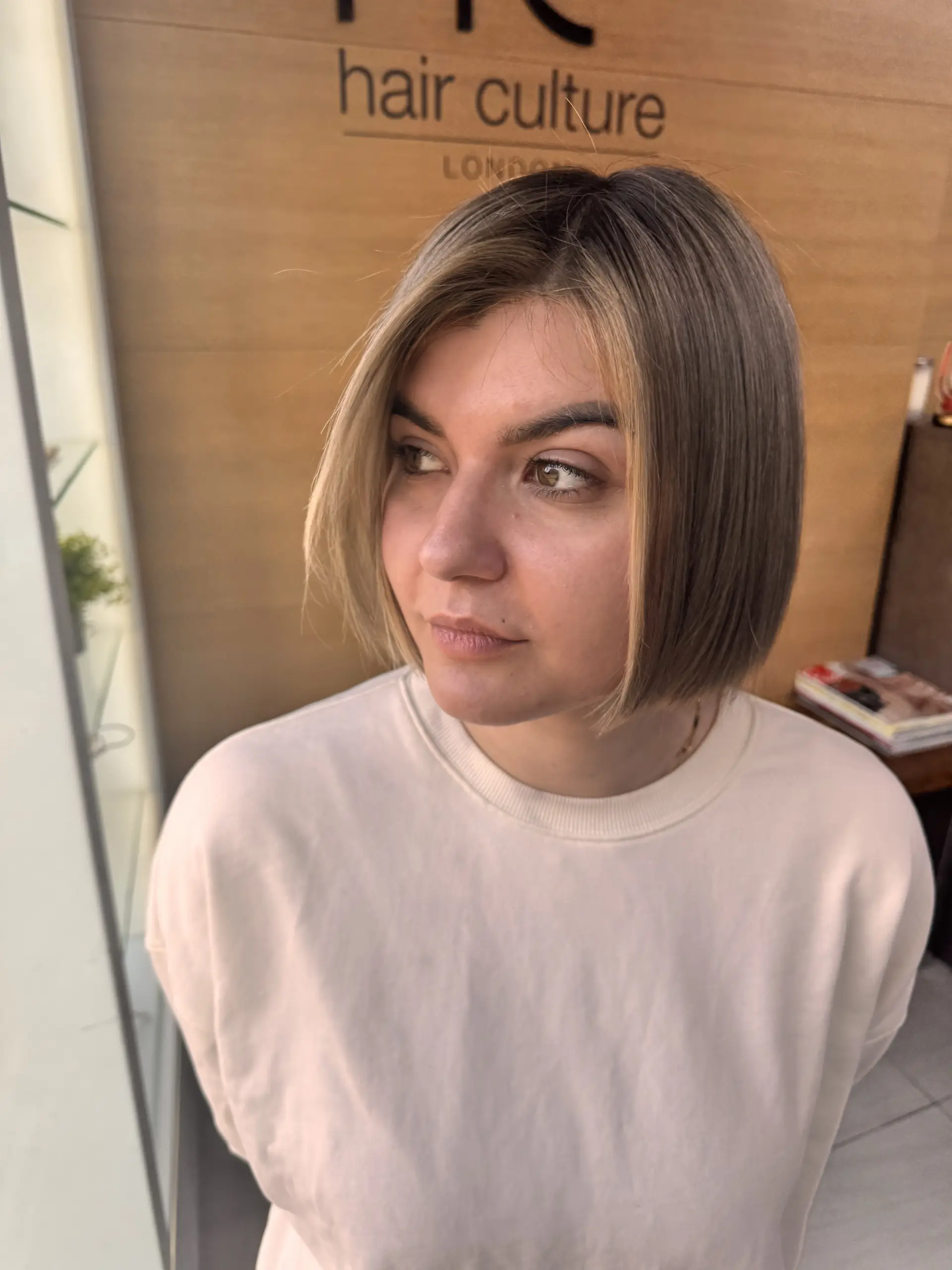
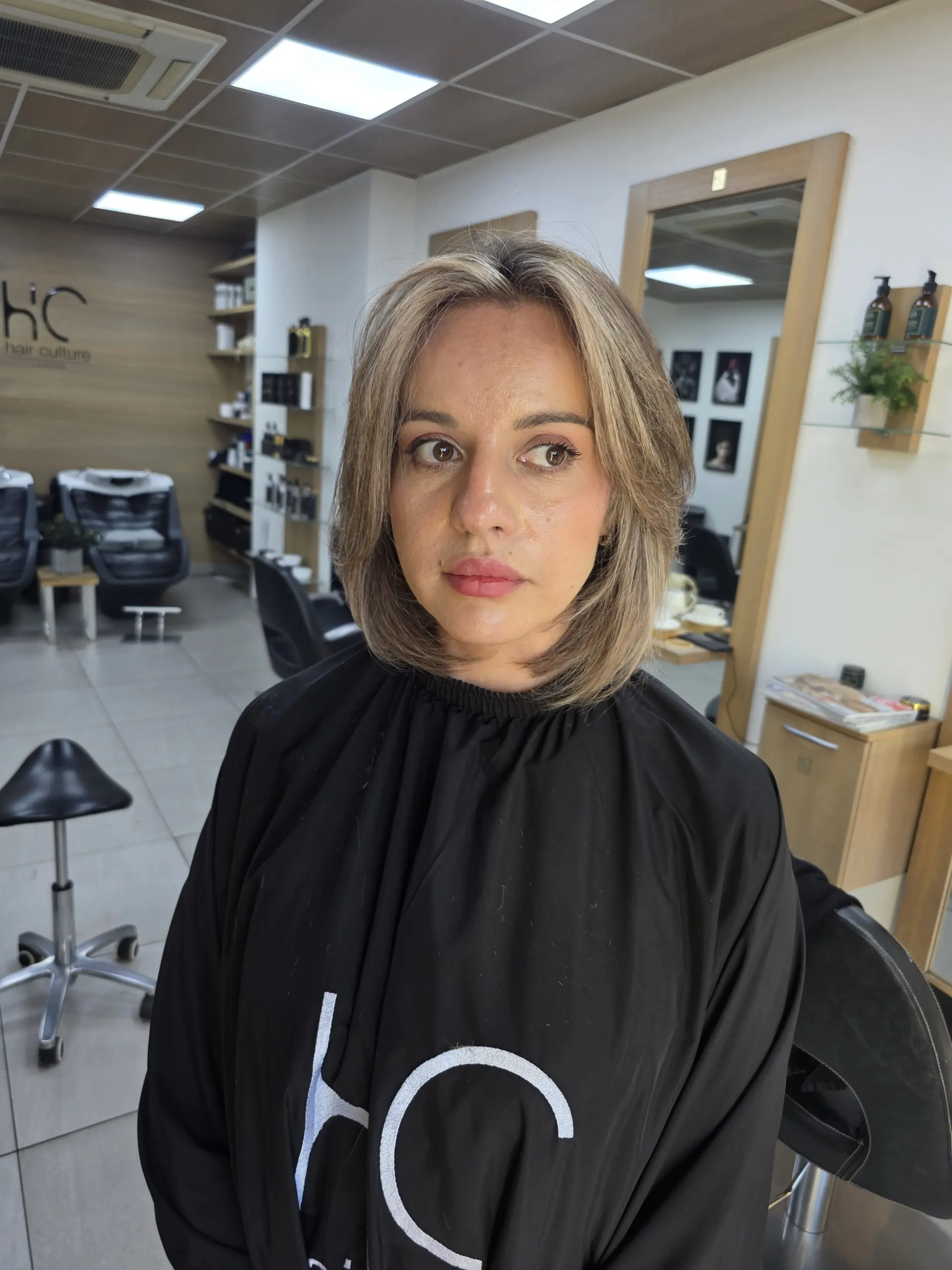
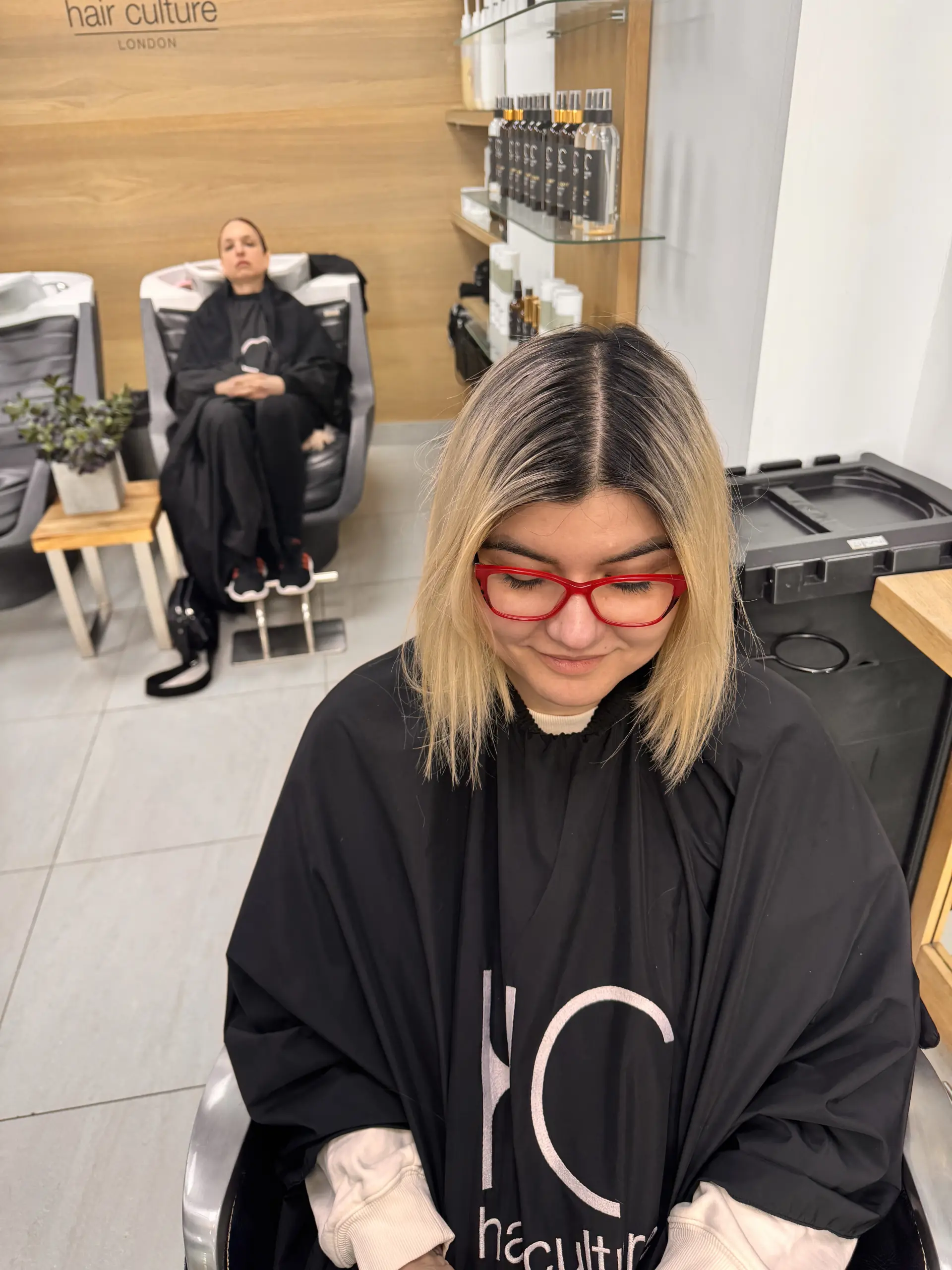
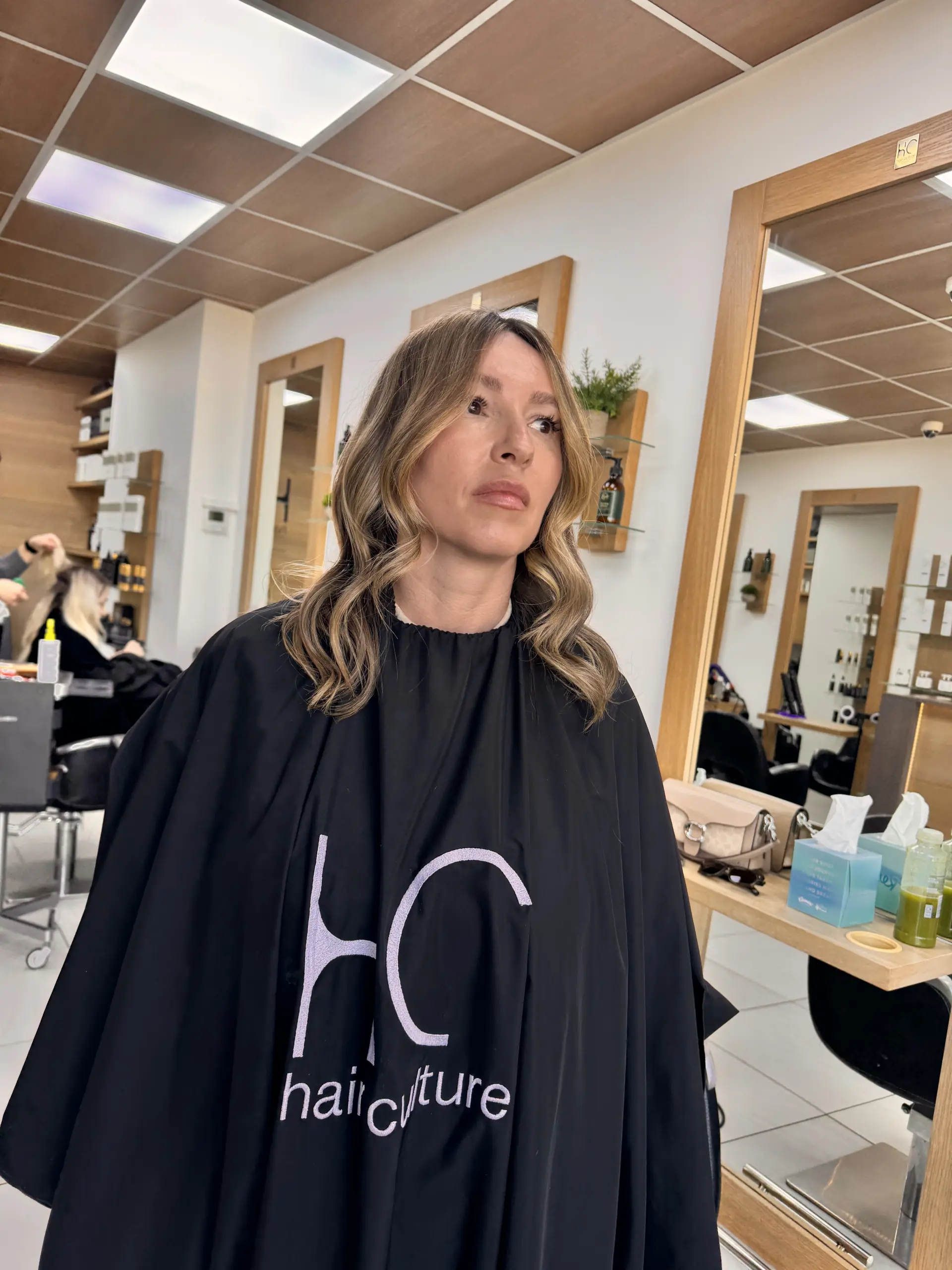

Reverse balayage creates a gentler and more balanced version of blonde hair by adding depth where it is missing. Hair that once looked too bright or too exposed gains a calmer structure that feels closer to its natural state. The deeper tones support the lighter areas, so the blonde looks more controlled and more flattering. It reduces the washed-out effect that often appears when the hair has been repeatedly lightened and gives the whole look a clearer direction.
Reverse balayage restores depth and shape so blonde hair looks calmer and more refined
The technique also improves dimension, which helps the hair appear fuller and more textured. When light and dark tones work together, the colour reflects light in a softer and more even way. This stops the blonde from looking flat and gives a sense of movement and shape. Reverse balayage can also make the face look brighter by placing soft highlights where they are most useful while keeping stronger light pieces off the areas where they can feel too heavy. The added depth blends into the natural base and supports the contrast that blonde hair needs to look polished.
The technique improves dimension, making the hair appear fuller and more natural
Another important result is the improvement in hair perception. Many clients feel that their hair looks healthier after reverse balayage because the colour feels calmer, smoother and more intentional. The darker tones help mask signs of dryness and create a more solid background that reduces the appearance of damage. This technique gives clients a more refined version of their usual blonde without asking them to give it up. It delivers a balanced colour that fits modern trends and works well with different personal styles.
It creates a balanced colour effect that feels modern, healthy and easy to wear
Improved Balance
Softens overly bright blonde and restores harmony between tones.
Enhanced Dimension
Adds visible depth that makes the colour look more detailed.
Fuller Appearance
Creates a thicker visual effect through controlled contrast.
Modern Finish
Gives a clean, refined style that follows current colour trends.
Natural Softness
Keeps blonde present but in a calmer and more wearable form.
What Makes Reverse Balayage So Popular Today
A trend shaped by real-life needs and lifestyle changes
Reverse balayage fits the current movement towards natural colour because it offers a softer style that aligns with modern beauty trends. Many people no longer want very bright or high-contrast blonde and prefer shades that look refined and balanced. This shift reflects a broader change in fashion where calm tones, minimal contrast and clean finishes are considered more elegant. The appeal of reverse balayage lies in its ability to create these effects without removing the lighter elements that clients still enjoy.
Another reason for its popularity is the influence of well-known public figures who wear subtle, dimensional colour instead of strong bleaching. Their looks focus on natural depth, gentle transitions and tones that frame the face without overwhelming it. When these styles appear repeatedly in fashion, magazines and social media, clients start seeking similar results. Reverse balayage provides a practical way to achieve this understated luxury because it blends several tones in a way that feels effortless and modern.
Lifestyle also plays a role in the trend’s rise. People want colour that stays fresh for longer and requires fewer salon appointments. Heavy blonde often needs ongoing toning, while deeper tones hold more consistently and grow out with softer lines. Reverse balayage supports this by reducing maintenance without sacrificing style. The method suits clients who want professional colour that fits their routines, looks polished in different lighting and remains stable between visits. This mix of practicality and aesthetics is a major reason why the technique continues to grow in popularity.
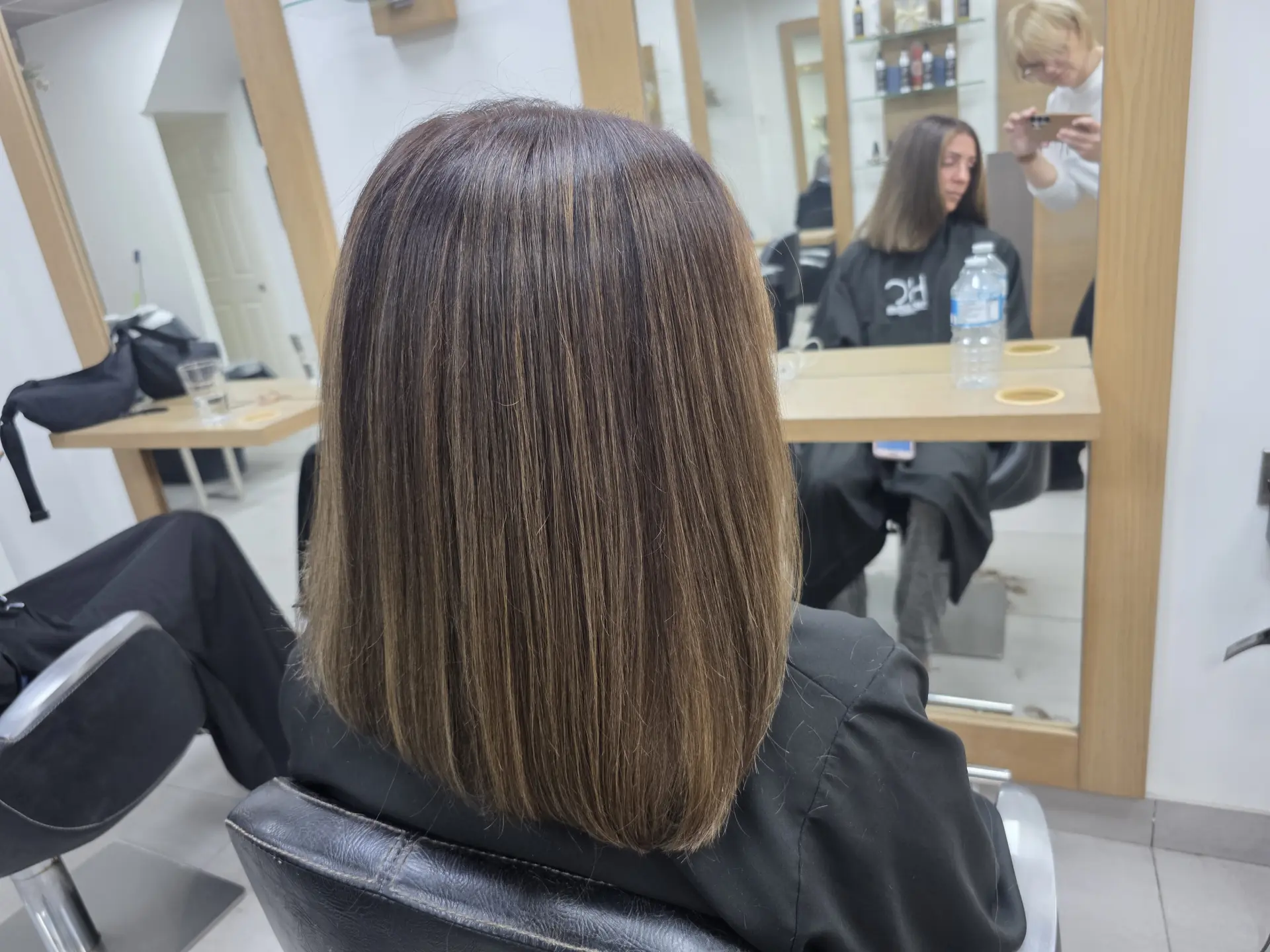
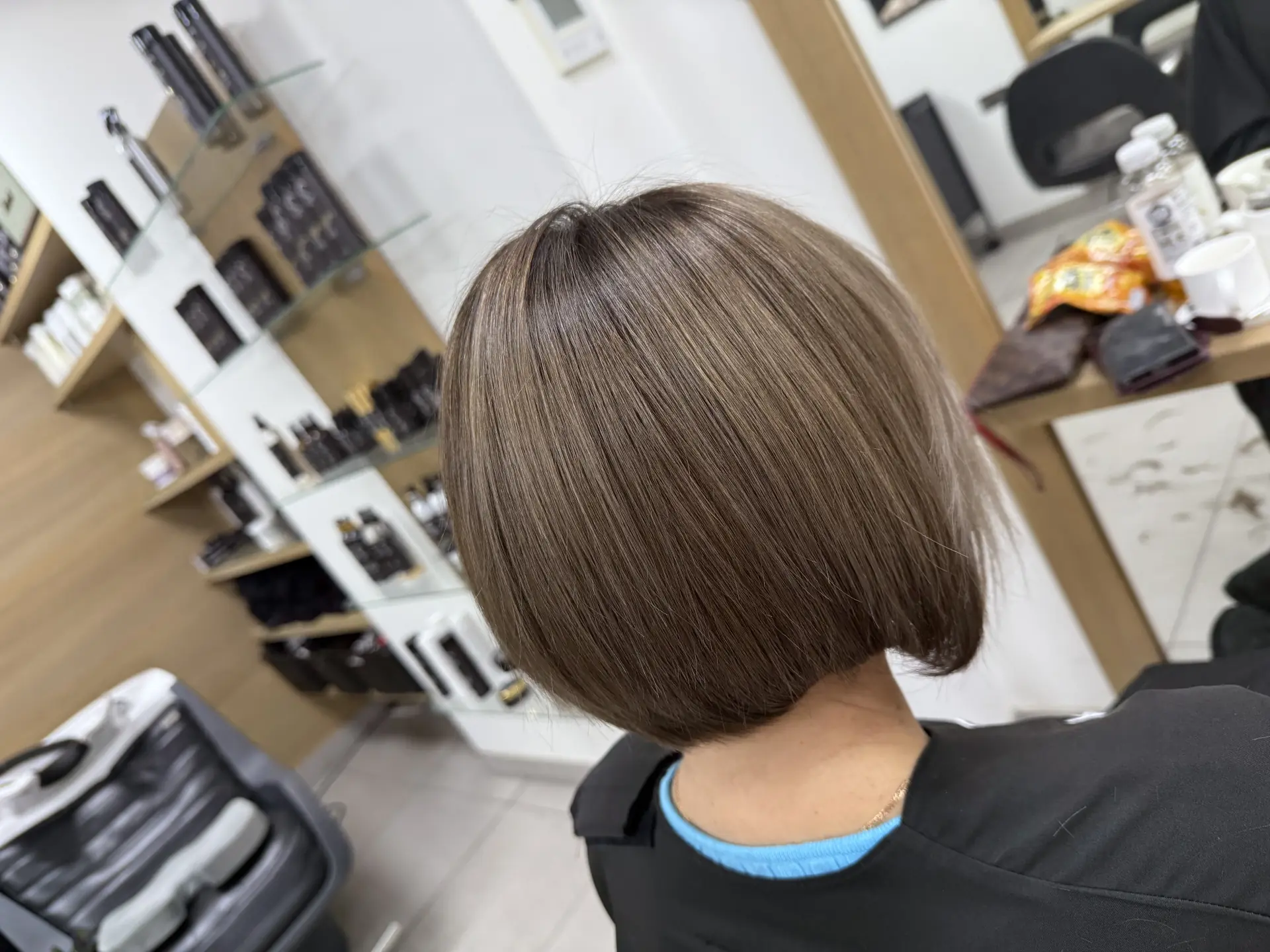
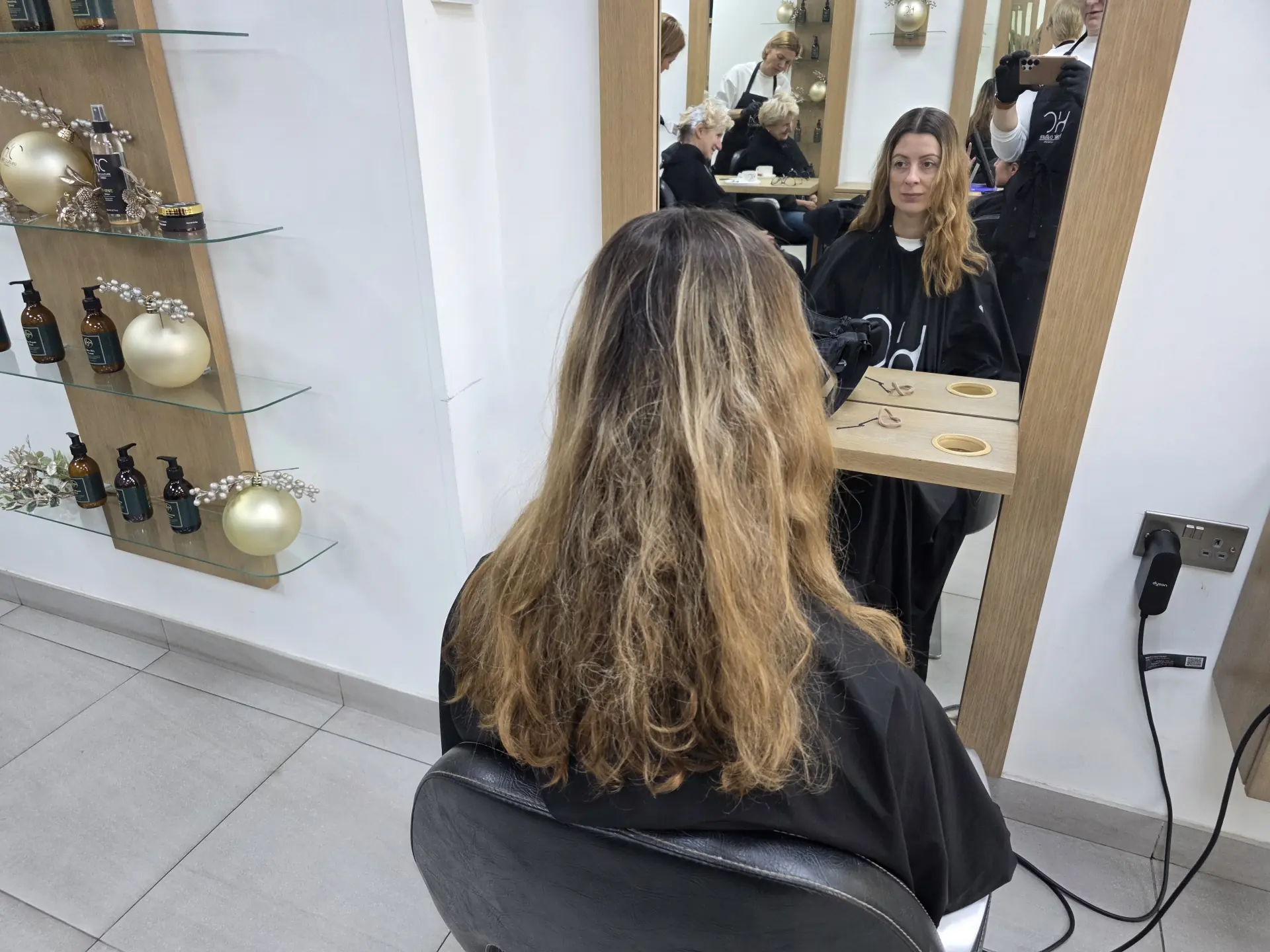
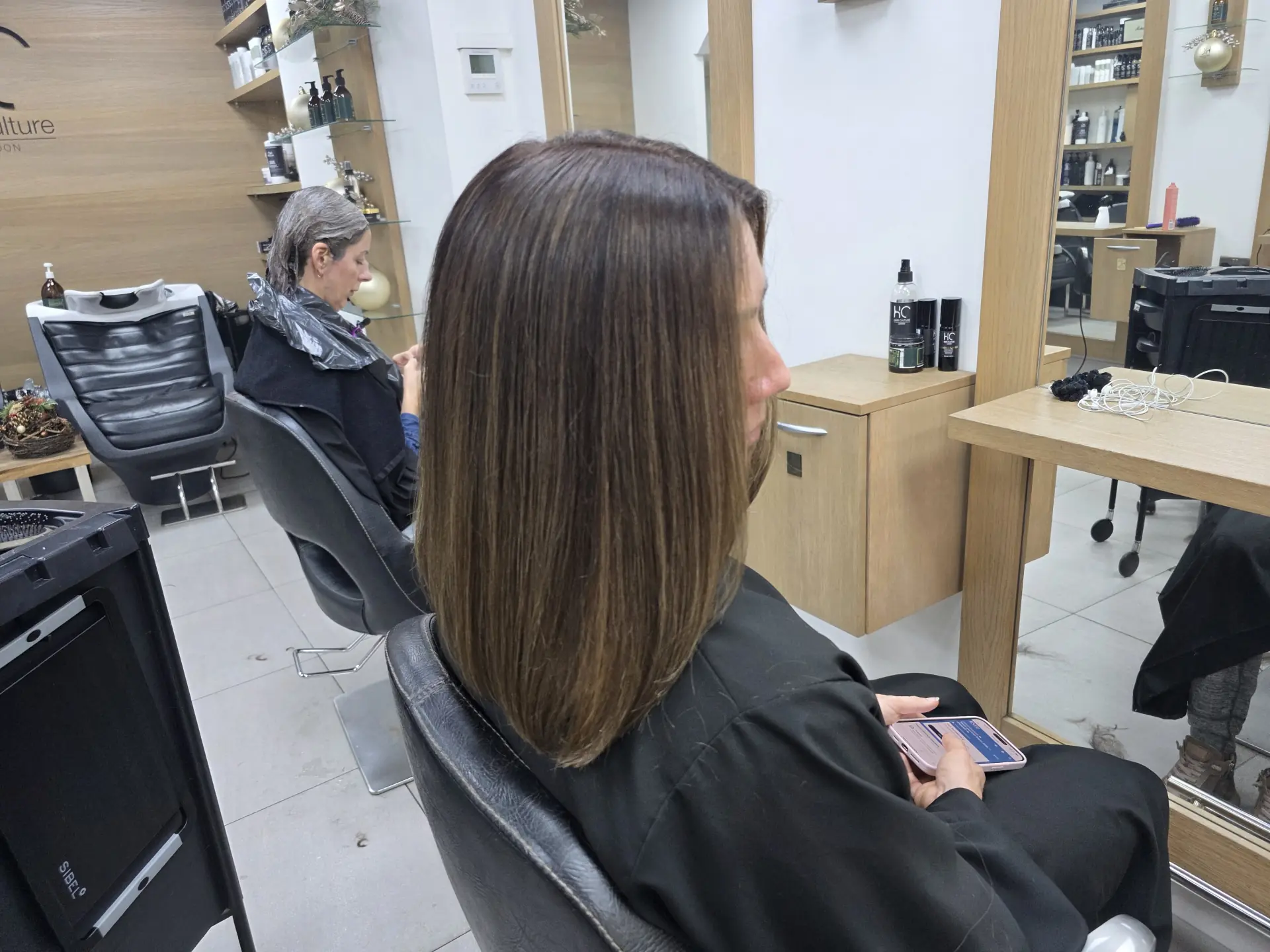
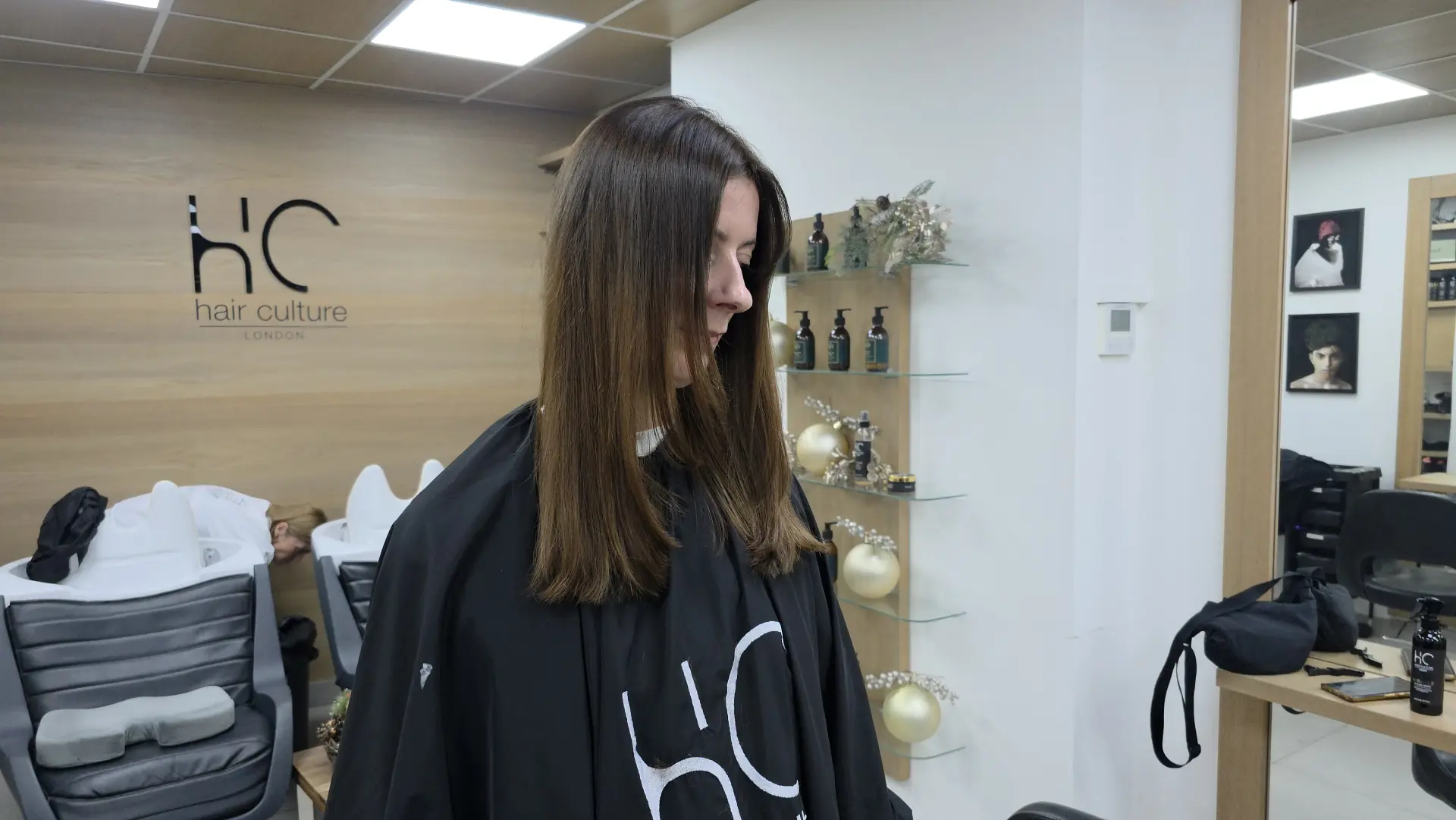
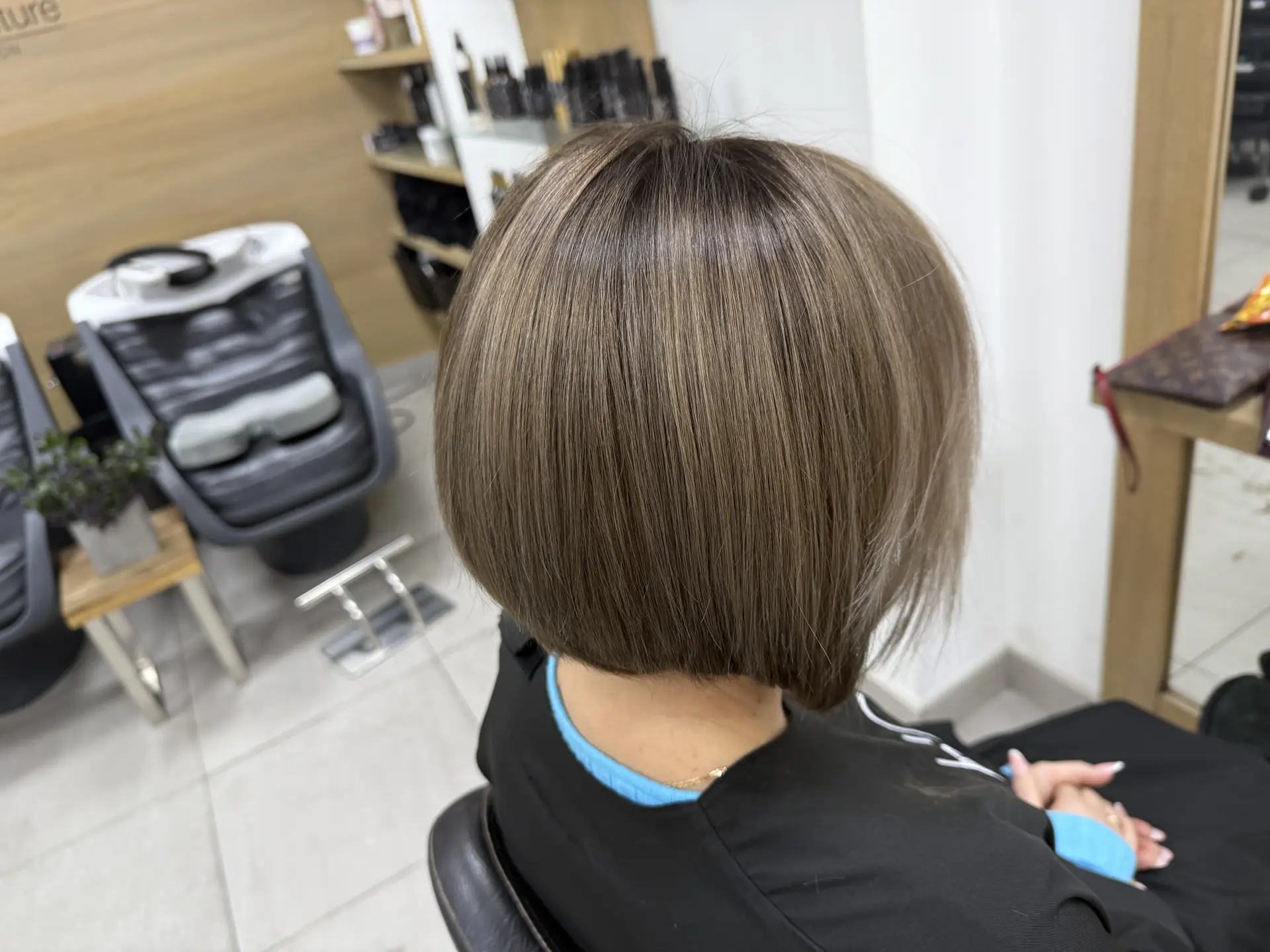


Reverse balayage is trending because natural, balanced colour now feels more modern than high-brightness blonde

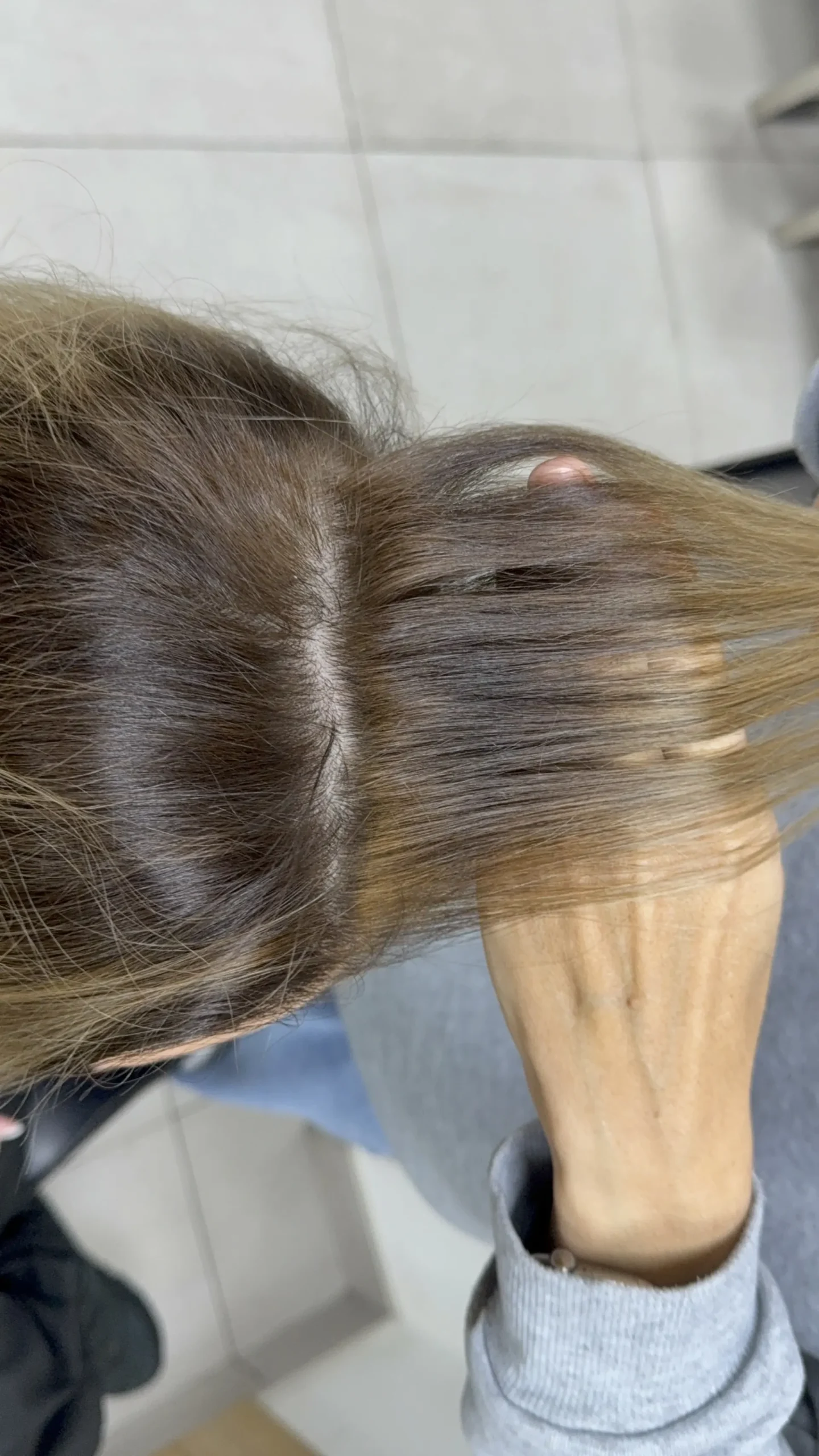
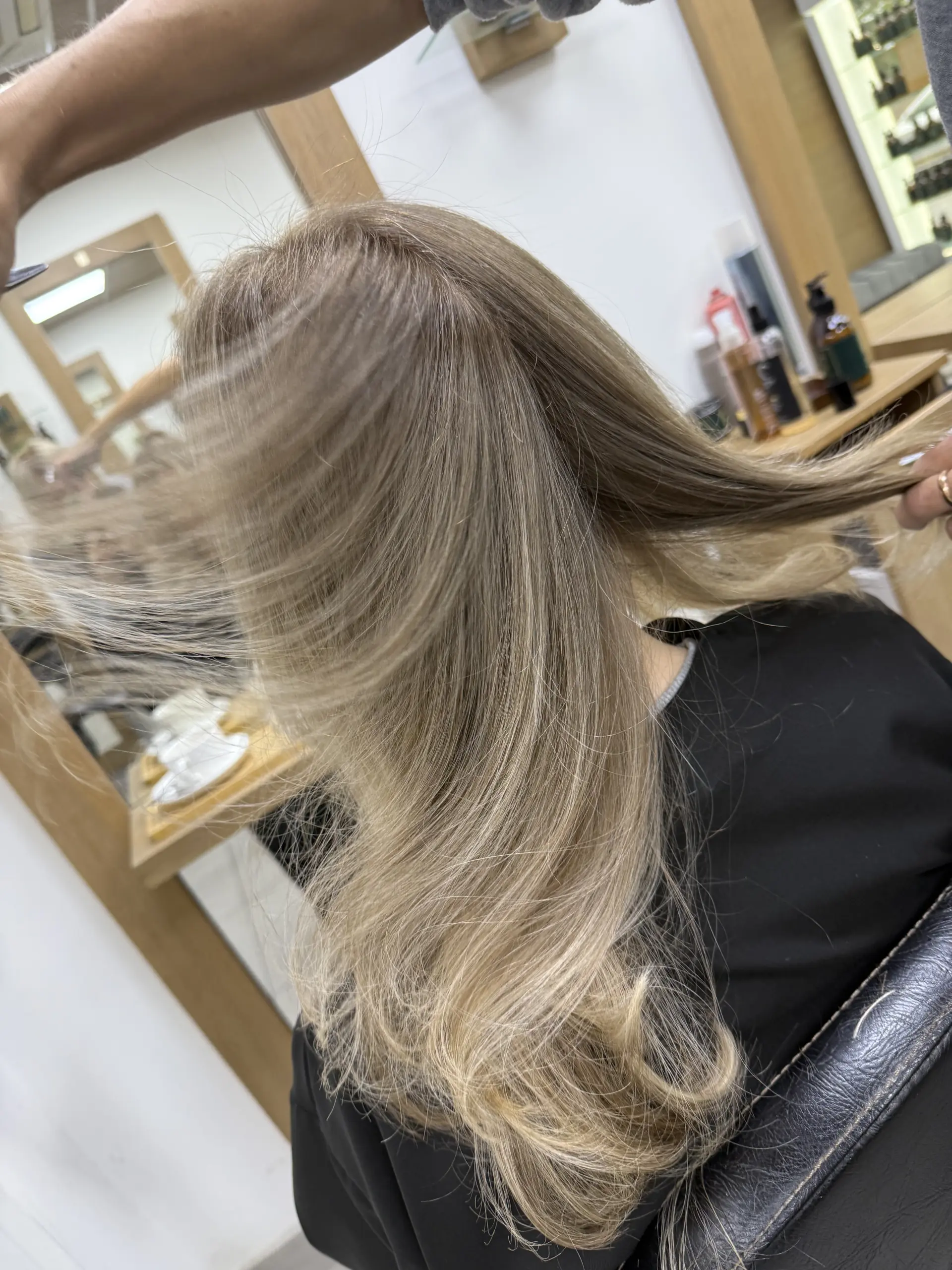
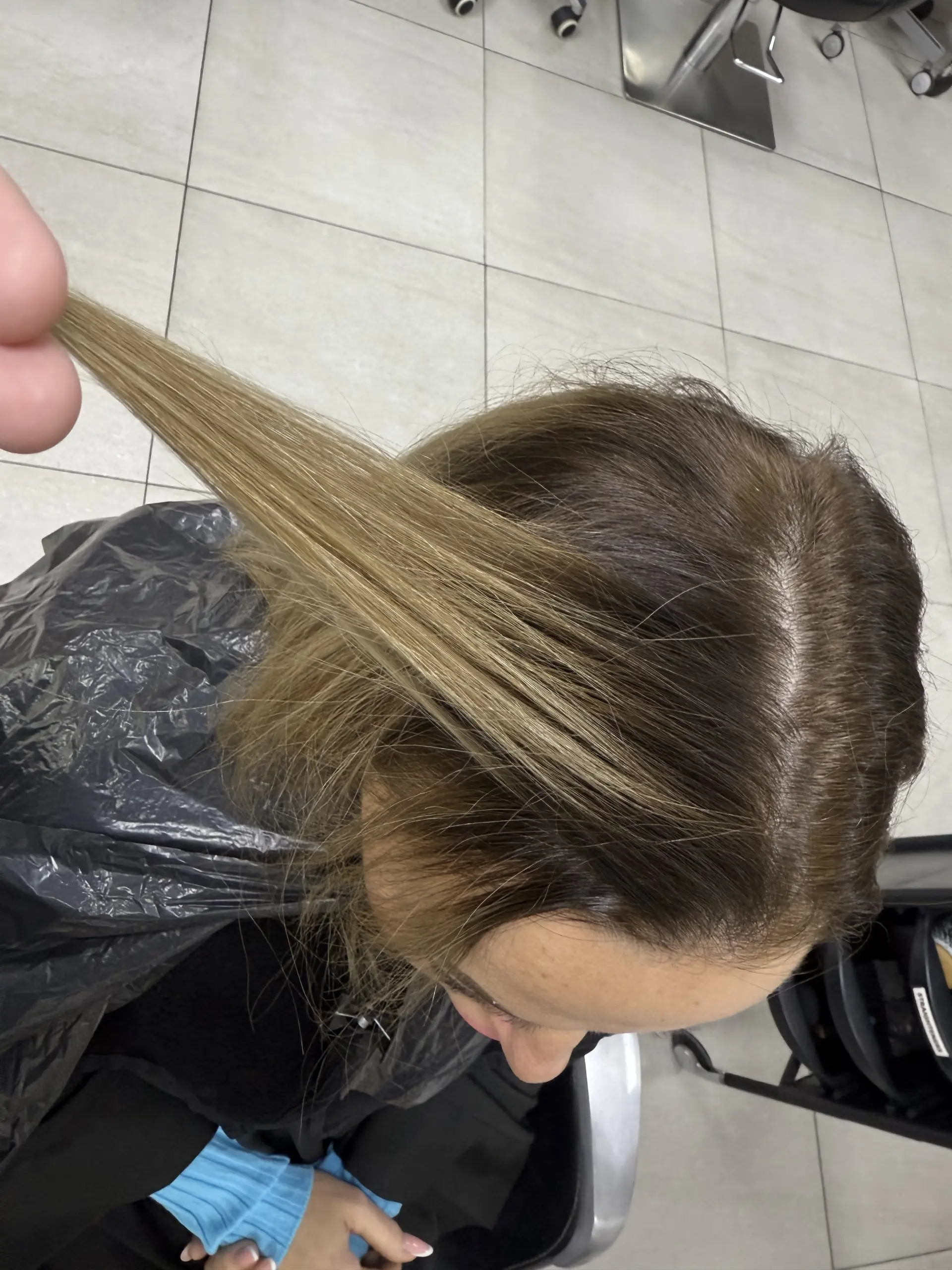
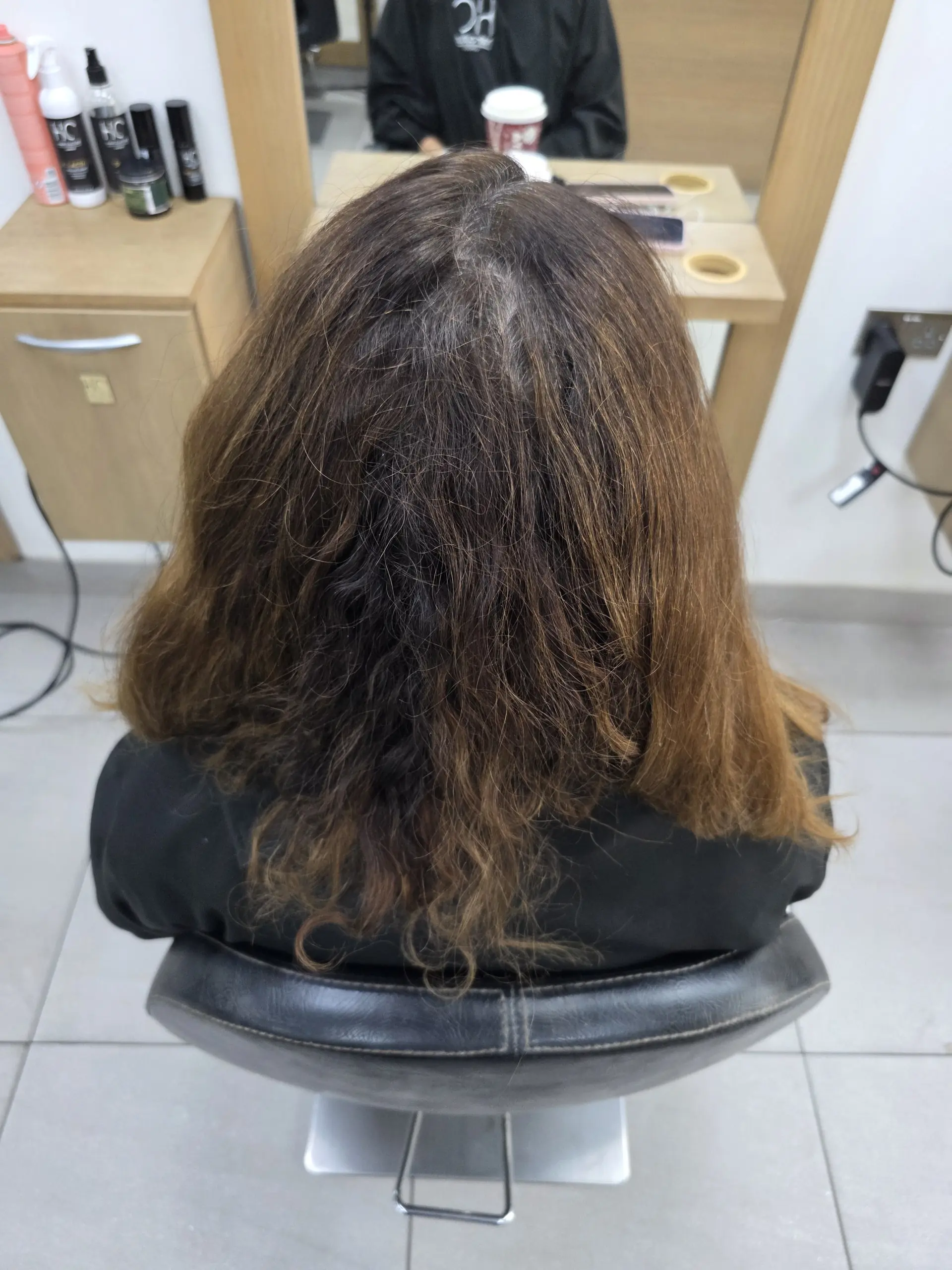
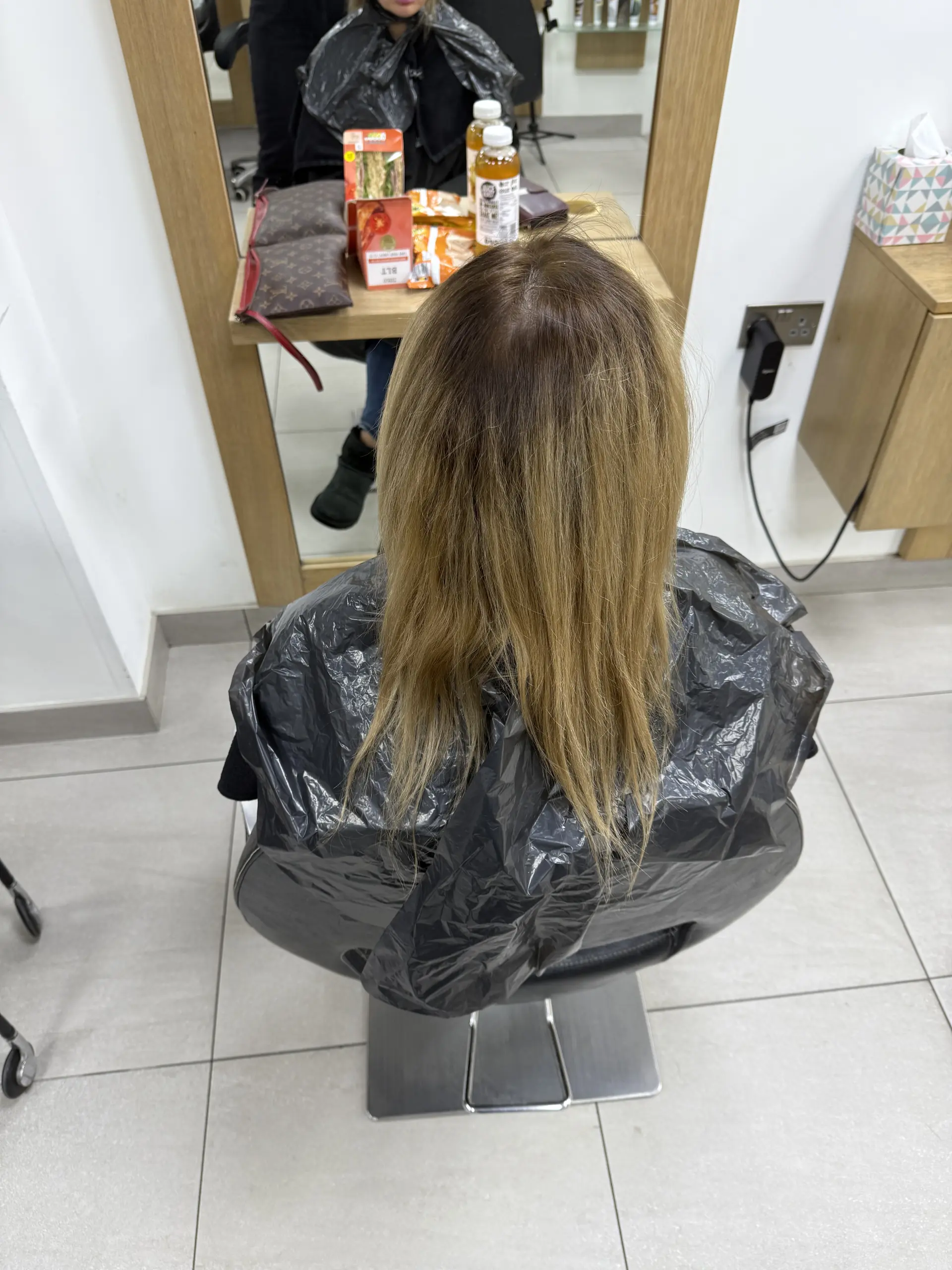
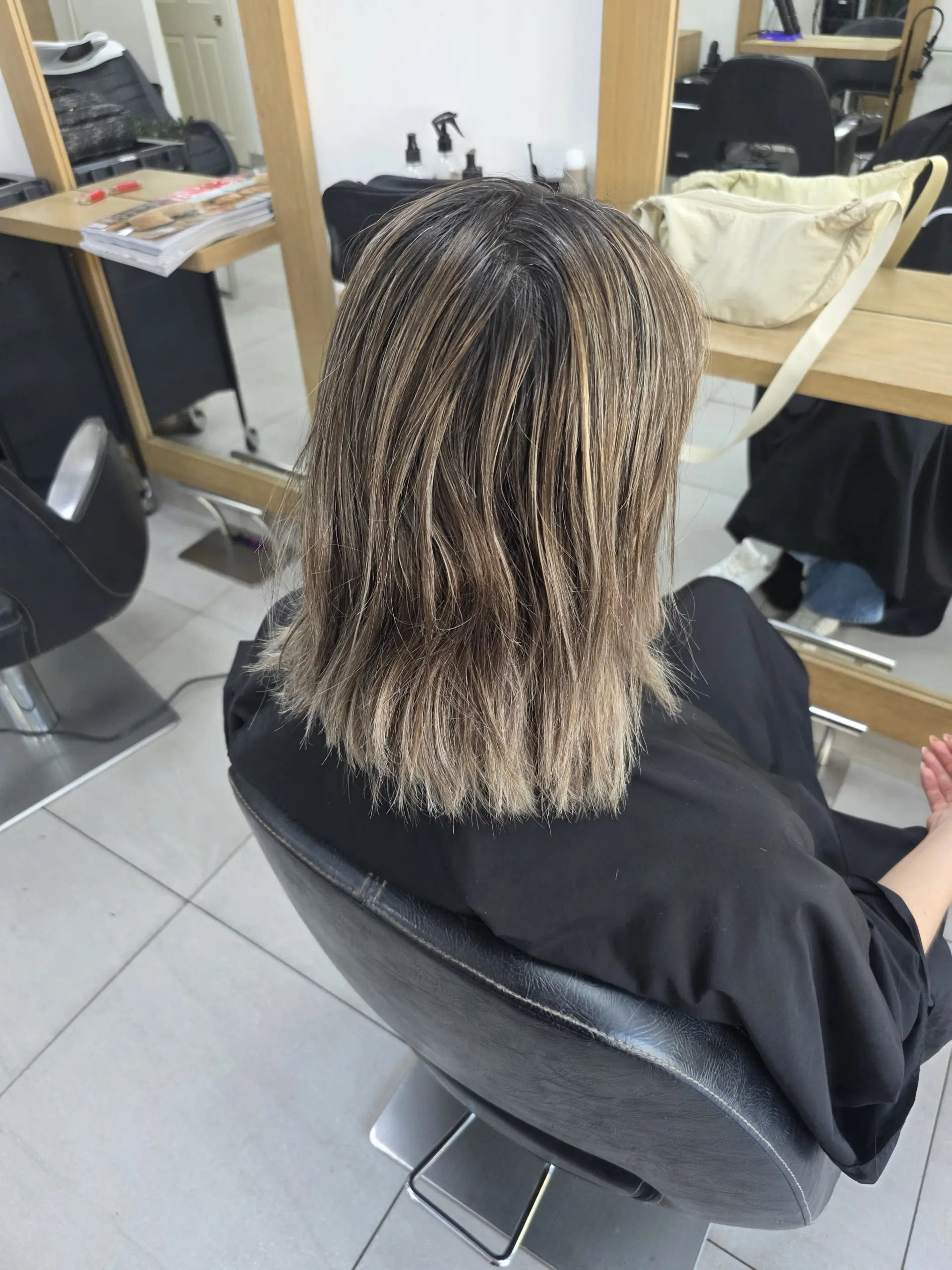
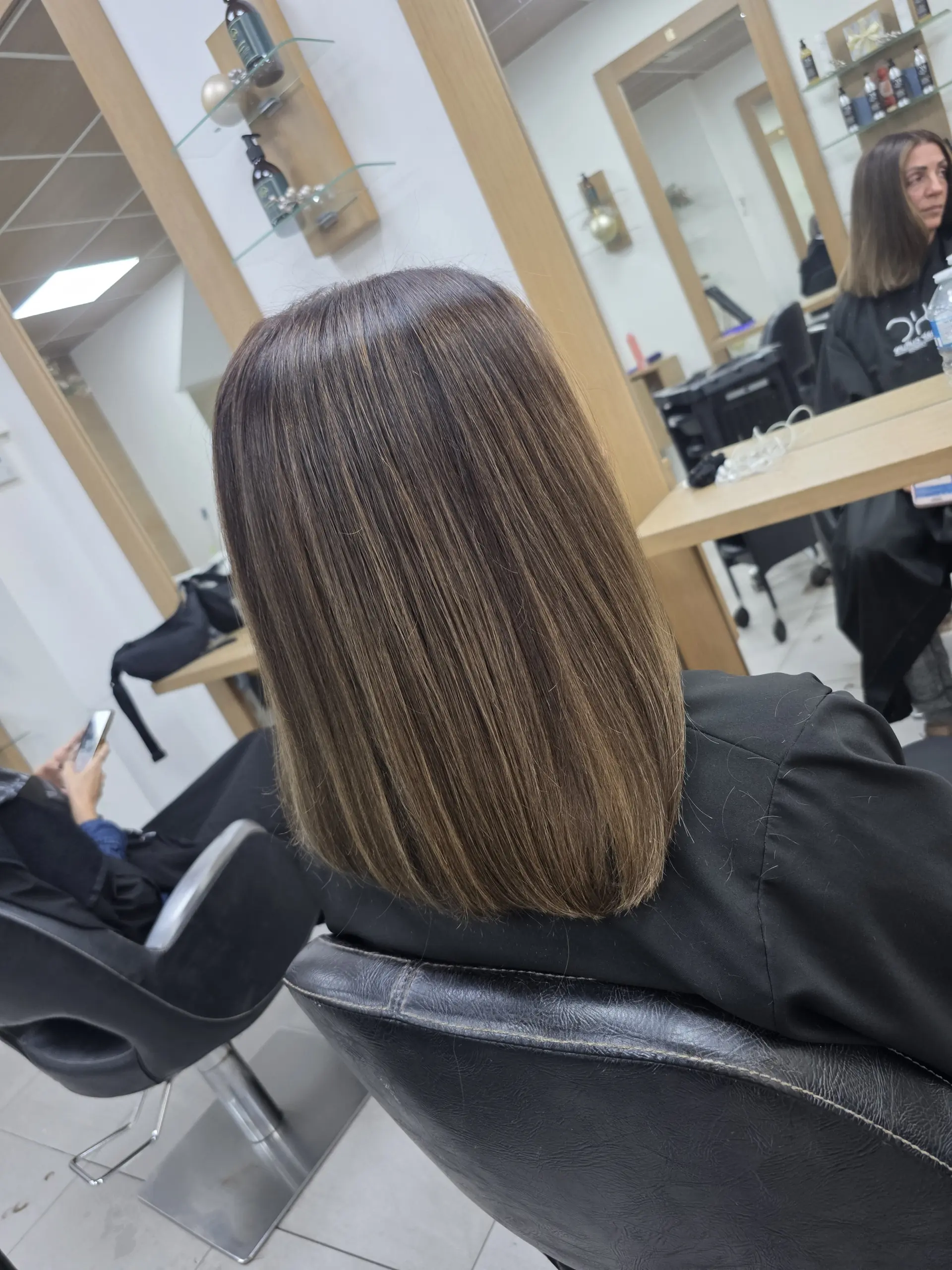
Reverse balayage suits clients who want softer blonde with natural depth. It works well for highlighted or bleached hair that needs better dimension.
Who Reverse Balayage Works Best For
A hair colour method suited to many hair types and lifestyles
Reverse balayage suits clients who feel their blonde has become too bright or too dominant and want a calmer, more balanced look. It works well for people who enjoy having lighter hair but find the overall tone too strong or too flat. The added depth helps those who want their colour to feel more polished without giving up blonde completely. It also suits anyone looking for a more natural shade that flows better with their skin tone and everyday style.
The technique is also ideal for clients with highlighted or bleached hair that needs visual improvement. When hair appears one-tone, patchy or washed out, reverse balayage rebuilds contrast so the colour looks more dimensional. It can soften heavy foils, correct uneven lifting and give shape to hair that lacks definition. The method adapts well to different textures, so clients with straight, wavy or curly hair can all benefit from the softer transitions and cleaner tone placement.
Lifestyle and maintenance preferences also determine how suitable the technique is. Clients who want a colour that grows out smoothly and requires fewer salon visits find reverse balayage especially practical. The deeper tones stay stable for longer and blend naturally with regrowth. This makes the method a strong option for people who need a more relaxed upkeep routine but still want hair that looks refined. It matches well with clients who prefer subtle changes rather than dramatic shifts, and those who want colour that feels modern, calm and easy to wear.
How the Reverse Balayage Process Works
A controlled method based on your current colour and hair condition
The process begins with a detailed consultation where the stylist evaluates your natural shade, current colour, hair condition and the level of blonde present. This helps determine how much depth is needed and where the tones should be placed. The goal is to create a colour plan that adds structure without removing the light pieces you want to keep. This first stage ensures that the final result matches your skin tone, your personal style and your expectations for how soft or defined the outcome should be.
Once the plan is set, the stylist begins placing deeper tones through selected areas of the hair. This can include the root area, mid-lengths or specific strands that need correction or added structure. The application is usually done freehand, allowing the tones to blend naturally into both the blonde and the natural base. For hair that has been heavily lifted, a pre-pigmentation step may be used to ensure the new colour adheres properly and develops as intended. This prevents the final shade from appearing dull or uneven and provides a smoother foundation.
The process includes consultation, custom application and careful tonal blending.
After the deeper tones are applied, the stylist often uses a toner or gloss to unify the entire look. This step controls warmth, coolness and overall polish, helping the different shades merge into a clean finish. Once the colour is processed and rinsed, a blow-dry and final assessment complete the service. The stylist checks how the tones move in the light and makes sure the balance feels natural from every angle. The result is a soft, dimensional colour with depth in the right places and lightness where it enhances the overall shape.
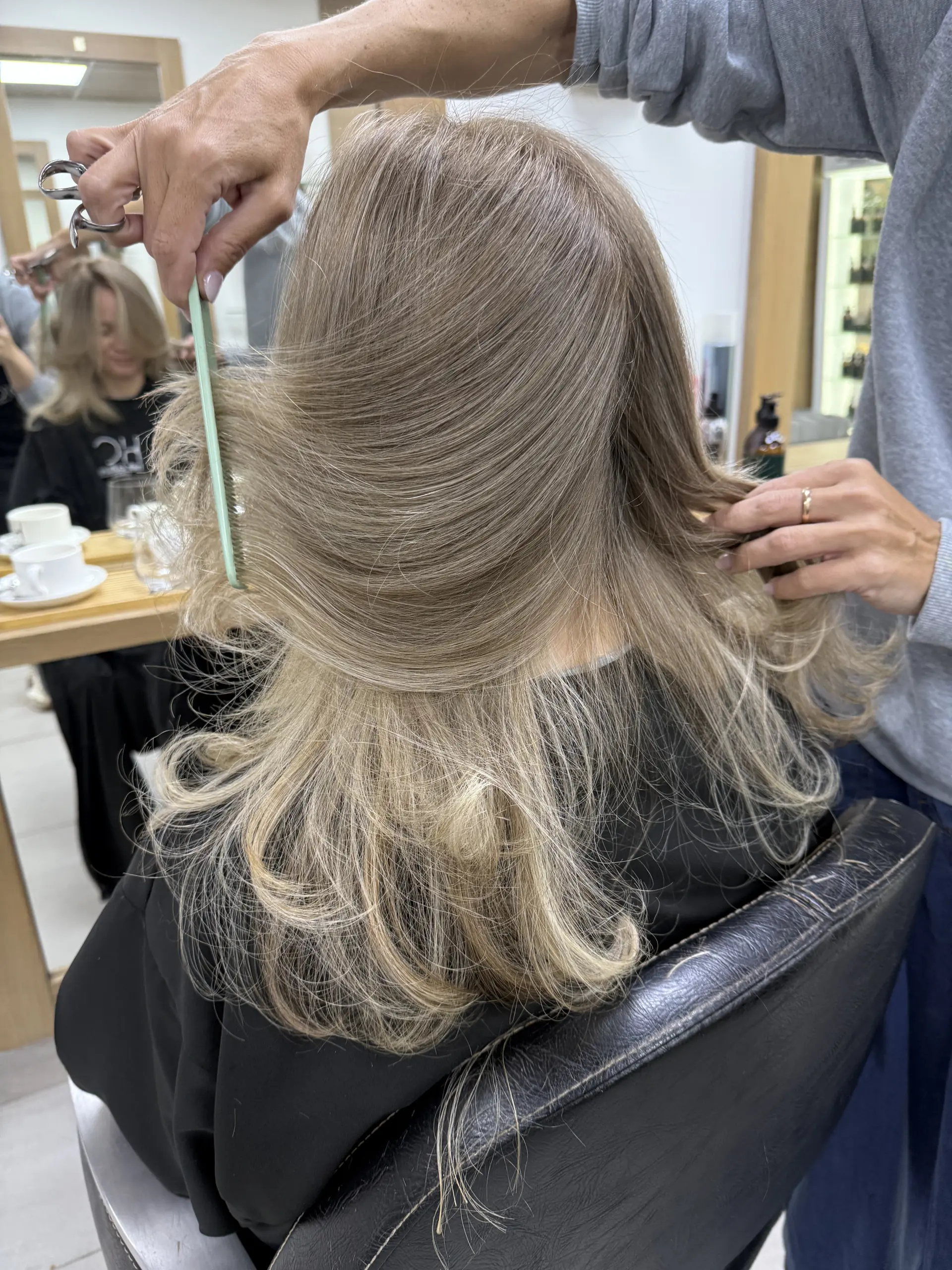
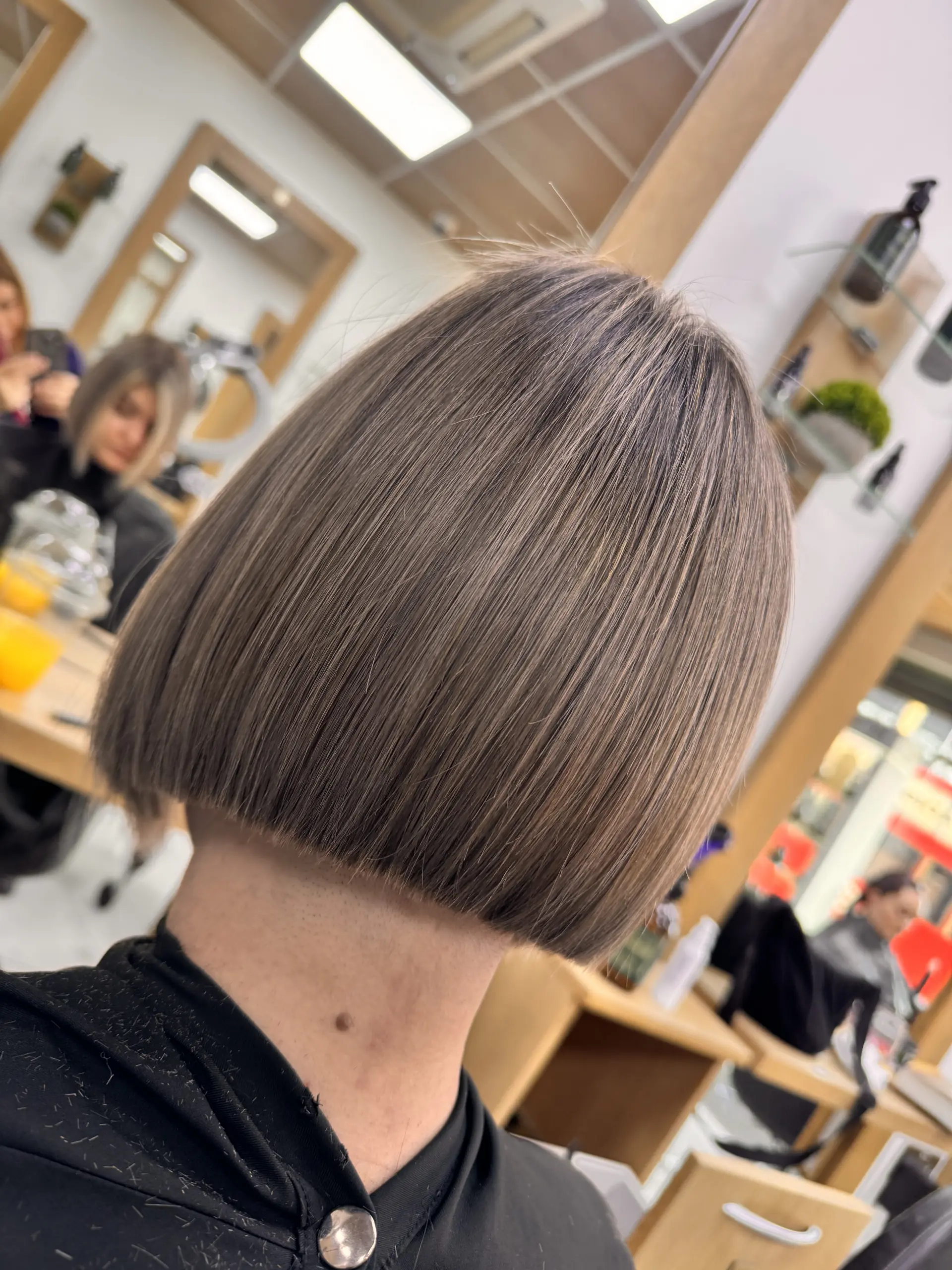

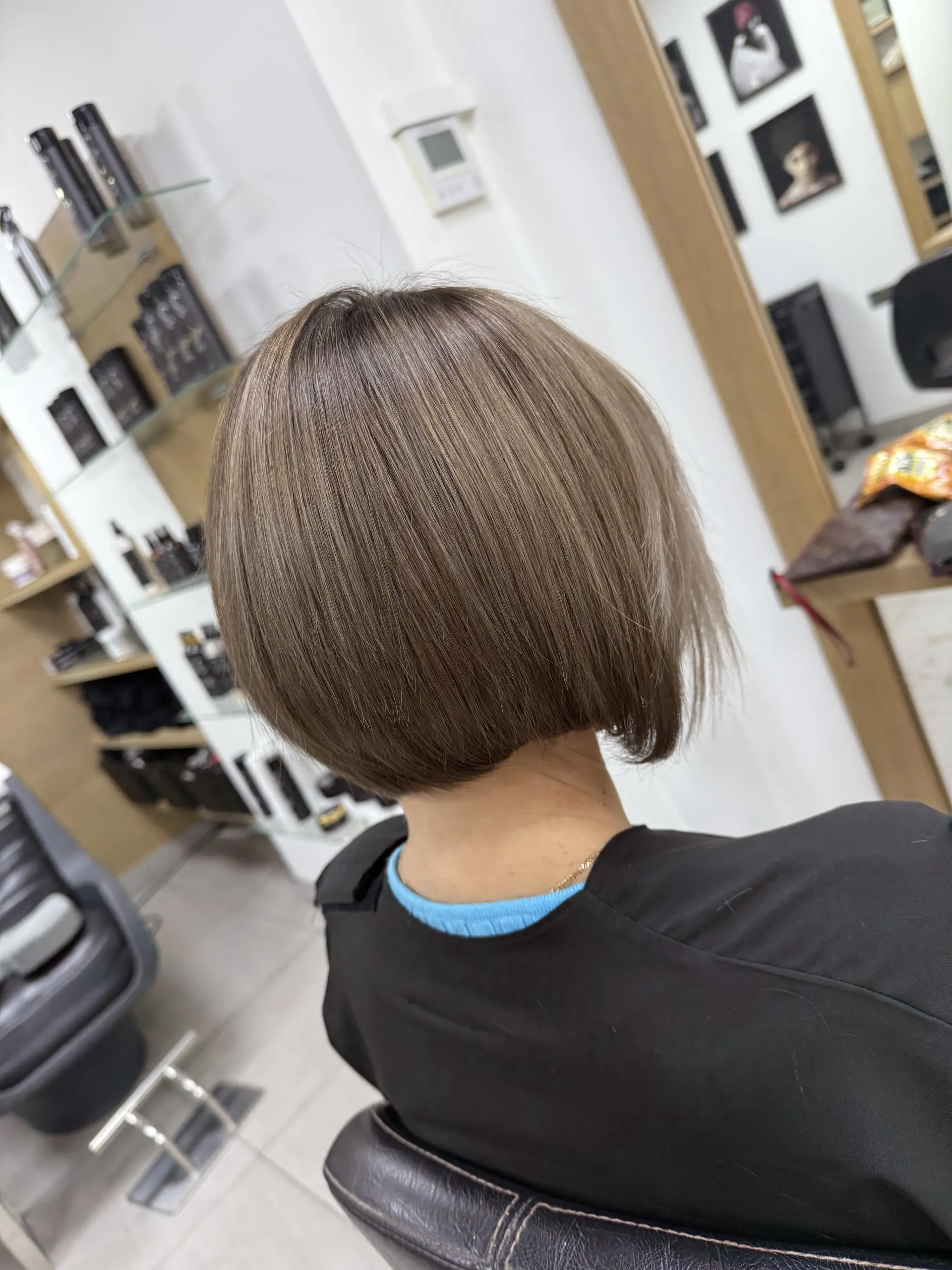
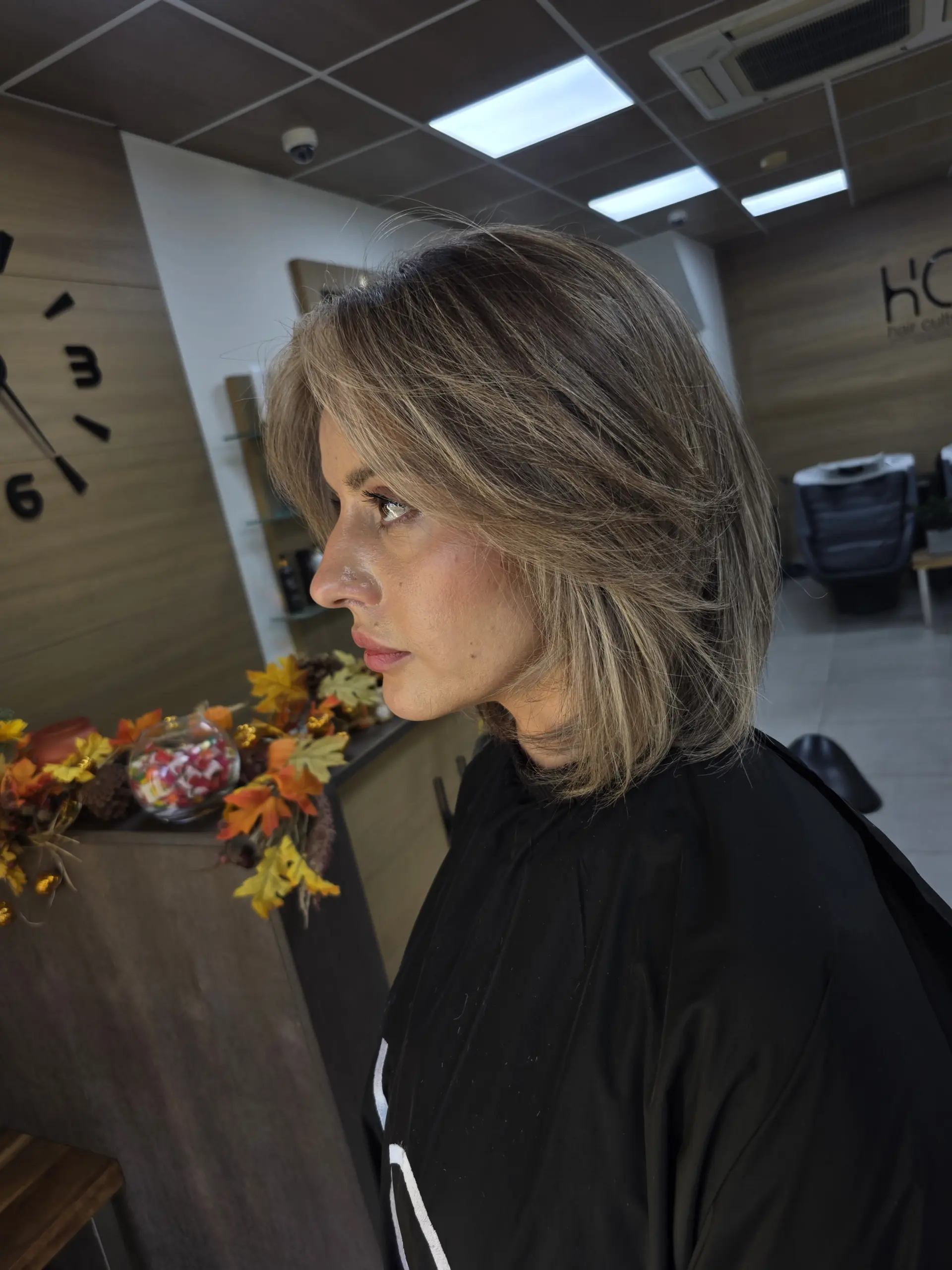
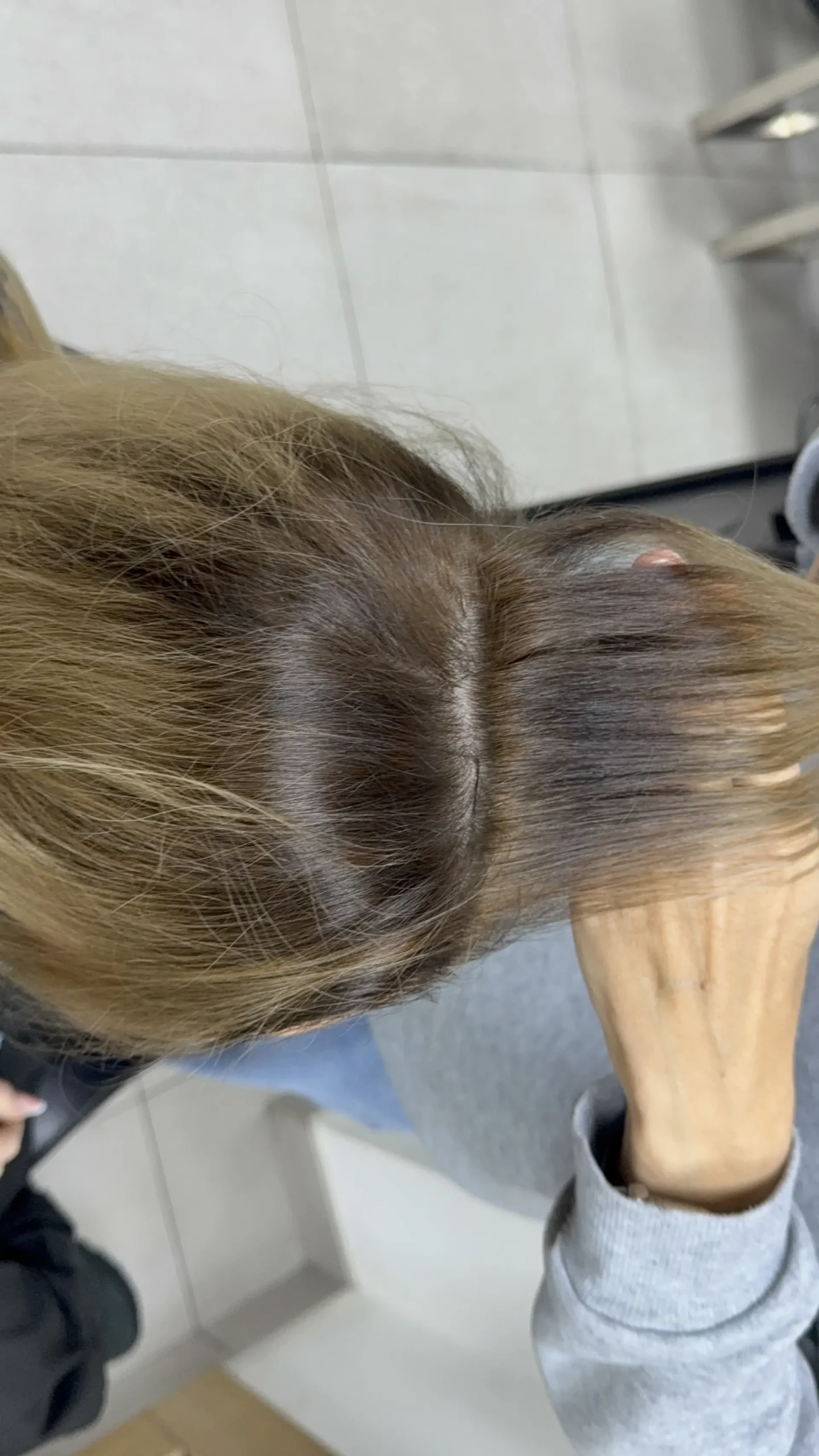
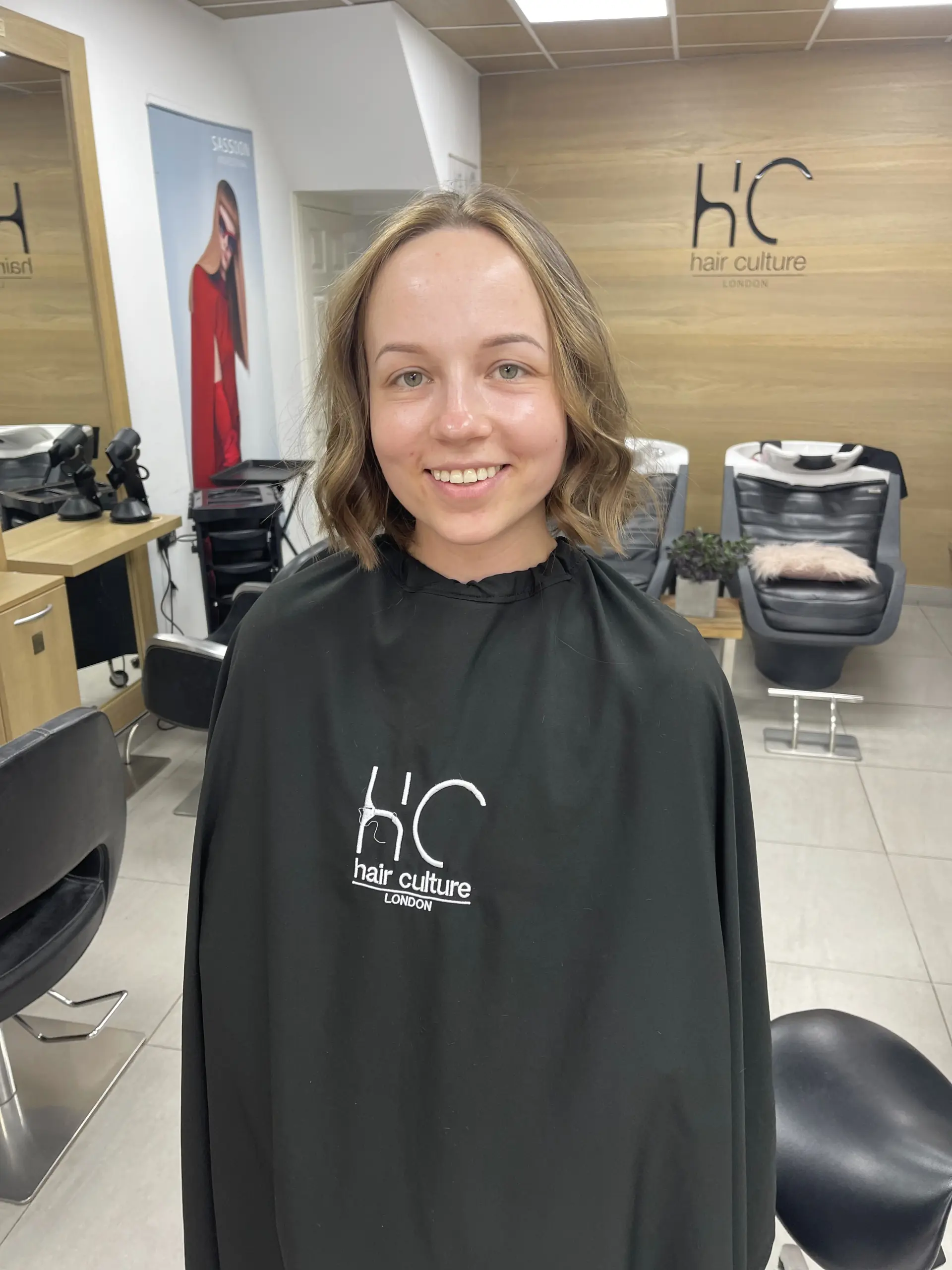
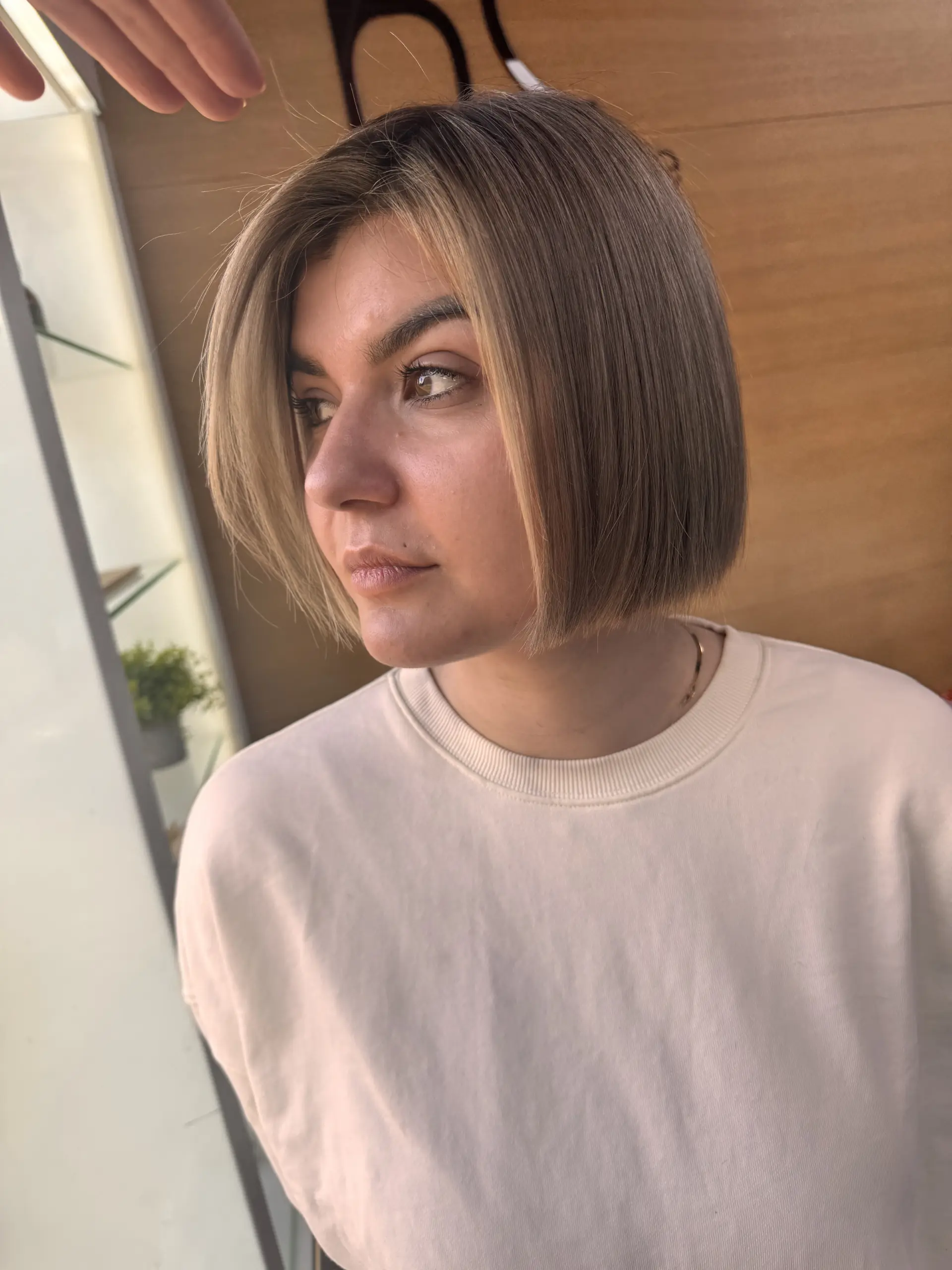
Reverse balayage suits clients who want softer blonde with natural depth. It works well for highlighted or bleached hair that needs better dimension.
The Results You Can Expect from Reverse Balayage
A softer, calmer version of blonde with clean transitions
Reverse balayage creates a softer and more controlled version of your blonde. The excess brightness is reduced, while the lighter pieces remain visible in a more balanced way. This brings a calmer finish that feels closer to a natural tone without losing the blonde you enjoy. The hair develops a clearer structure because the darker shades give the lighter areas something to blend into. This avoids the flat or washed-out look that appears when hair has been lifted too many times.
Reverse balayage gives a softer and more dimensional blonde that feels balanced and natural
The new depth also improves how the hair moves and reflects light. Blonde sections look more intentional, and the entire colour gains dimension that was not visible before. The contrast becomes cleaner yet subtle, allowing the hair to look fuller and smoother at the same time. Reverse balayage can also help soften heavy foils or bright areas that draw too much attention. The result feels more refined and often more flattering to the face shape because the tones blend gently without strong edges.
The technique improves how the hair reflects light, making it appear fuller and smoother
Clients also notice that their hair looks healthier after the service. The darker tones can help mask dryness and give the surface of the hair a richer appearance. The colour sits more evenly from root to ends, creating a stable foundation for styling. As the hair grows, the lines stay soft, and the transitions remain clean. This makes the result long-lasting and easy to maintain. The overall impression is natural, modern and polished.
Maintenance and Longevity of Reverse Balayage
A low-maintenance option for modern colour routines
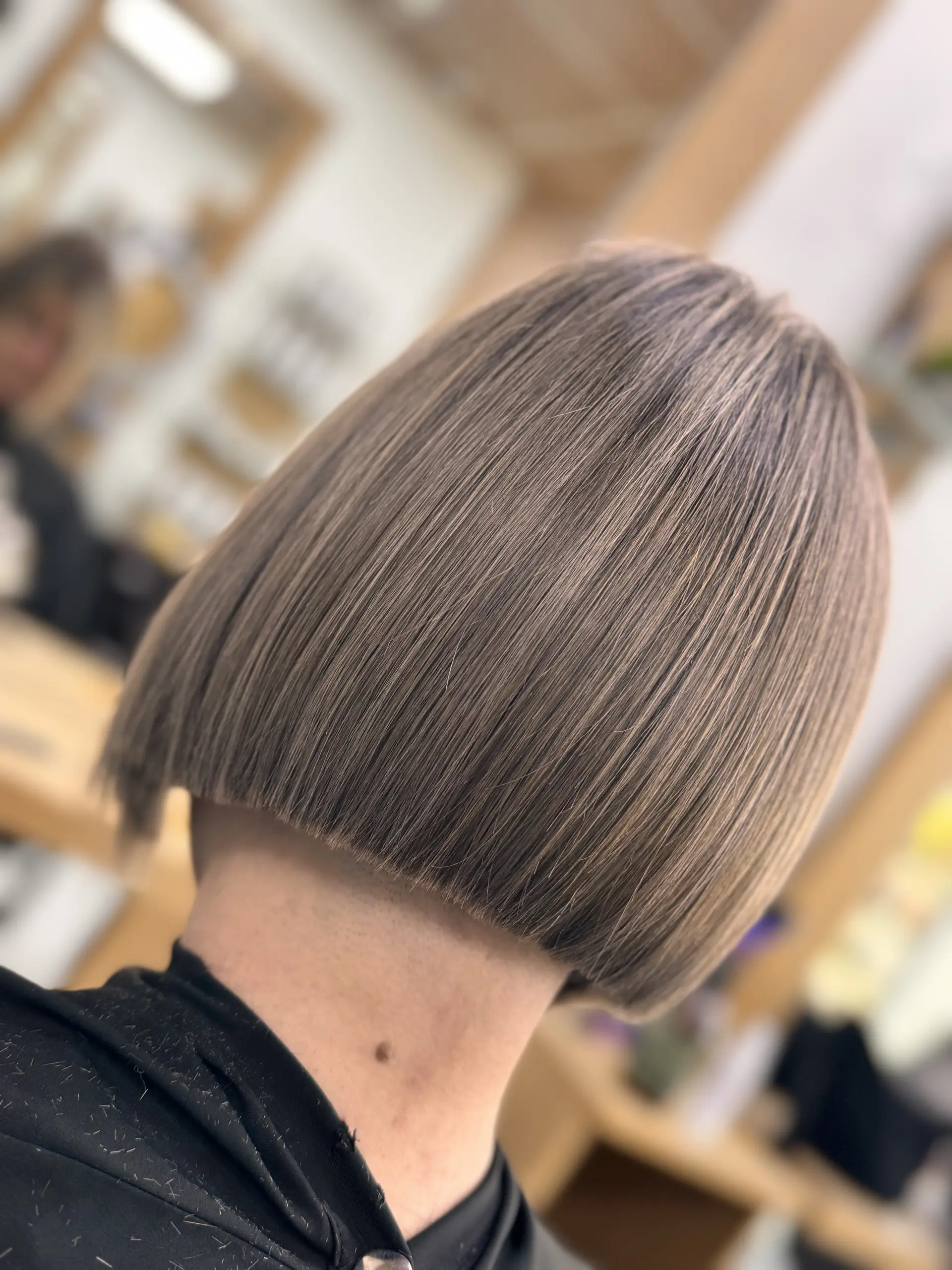
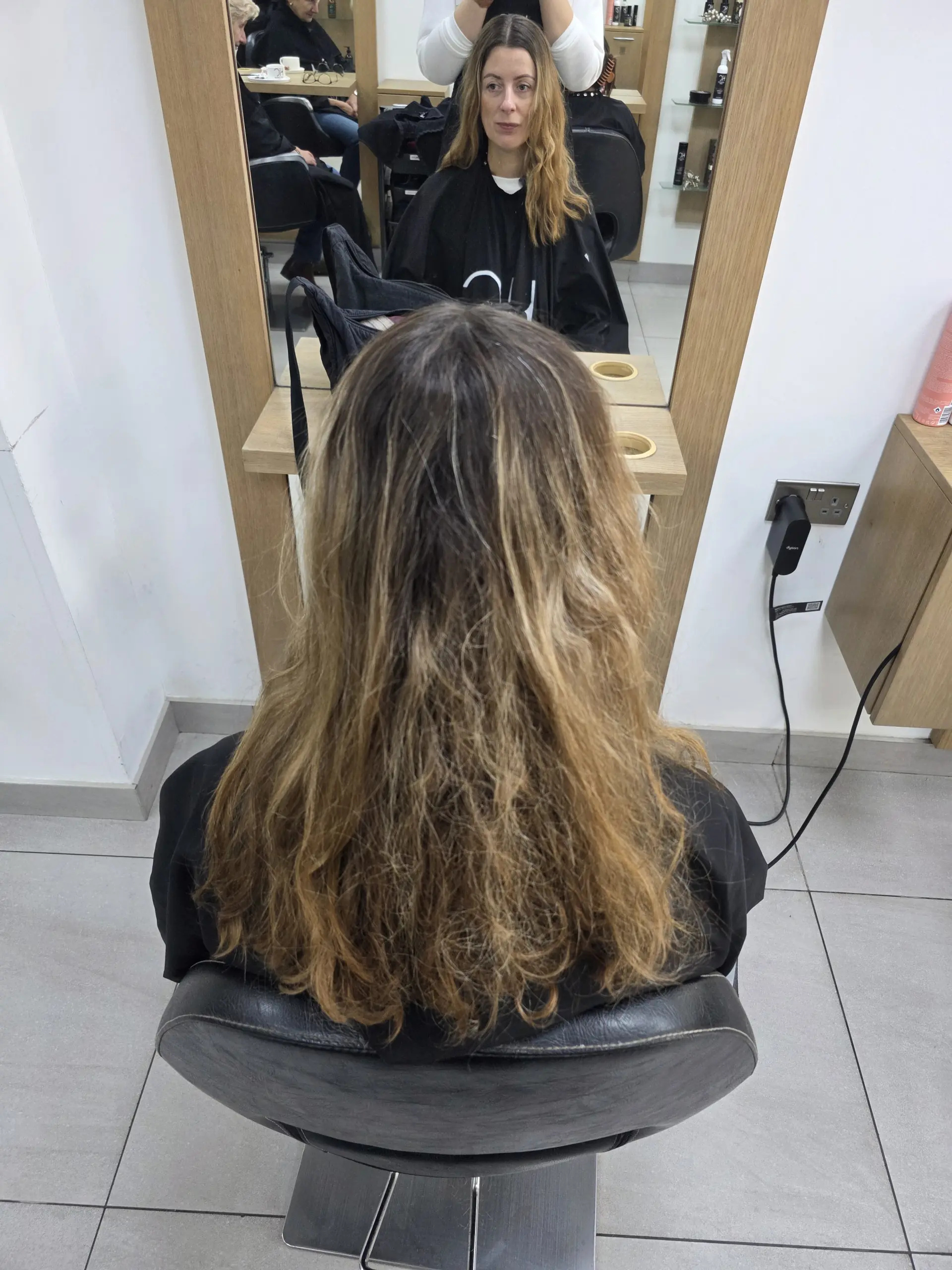
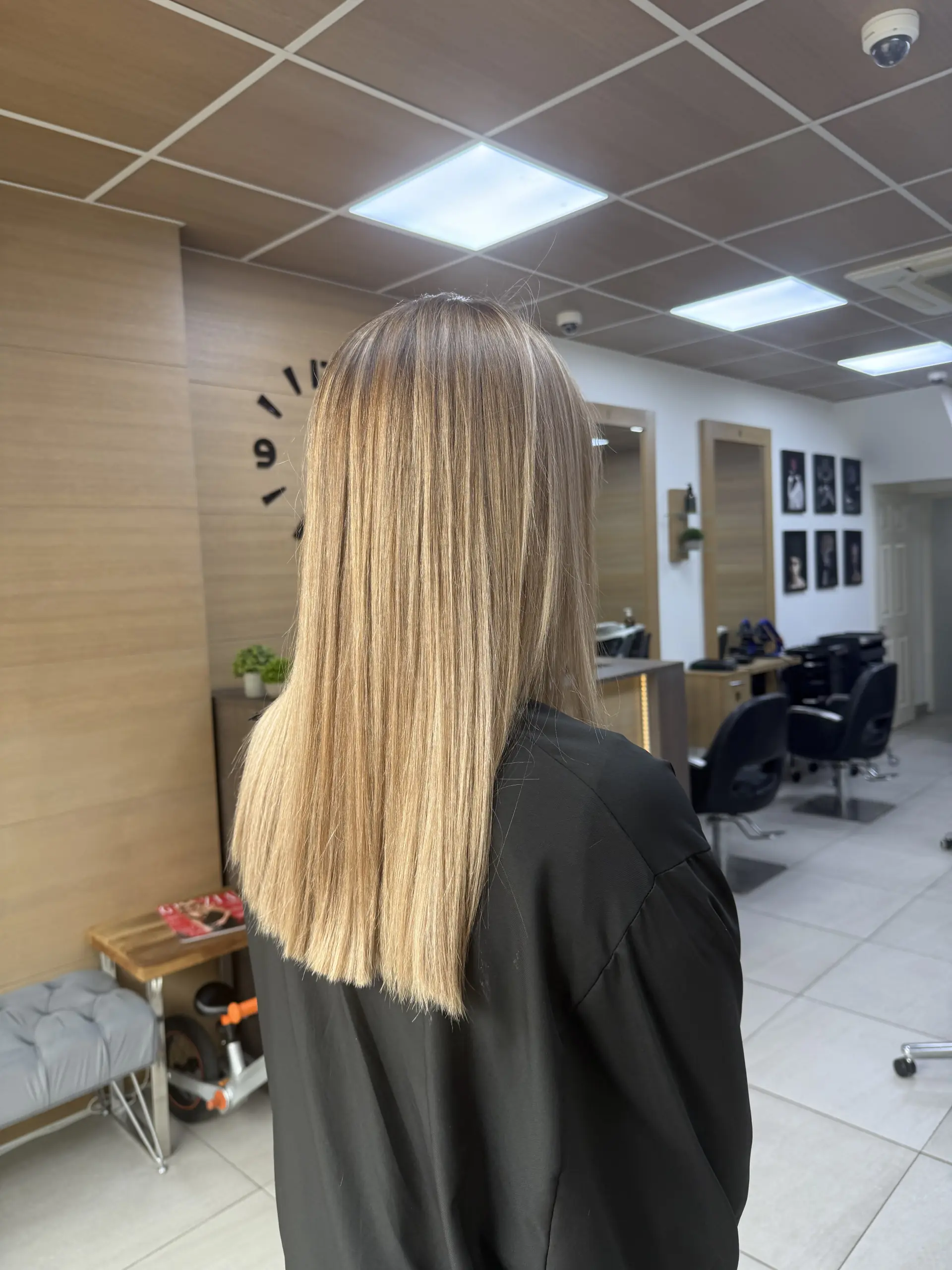

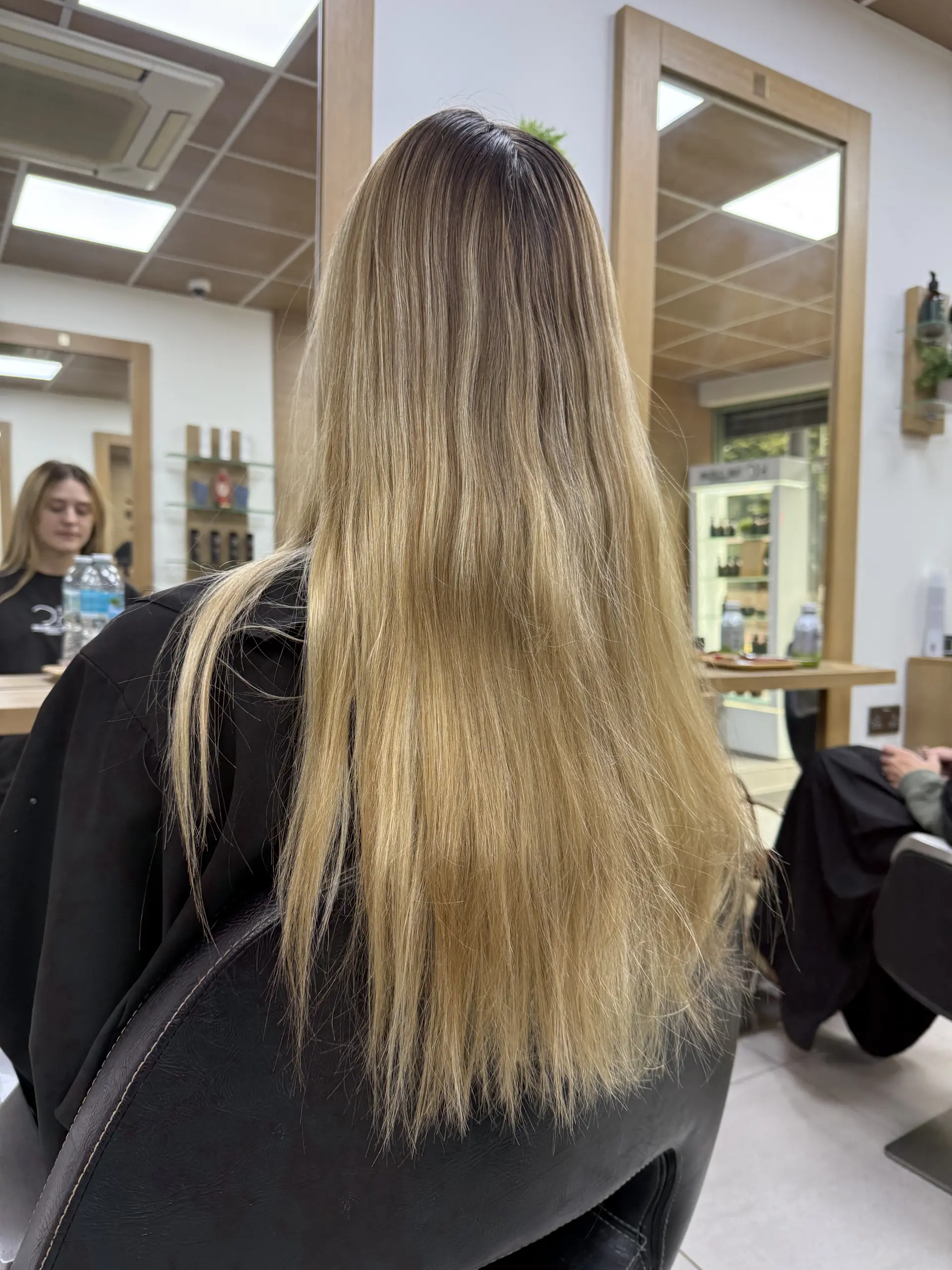
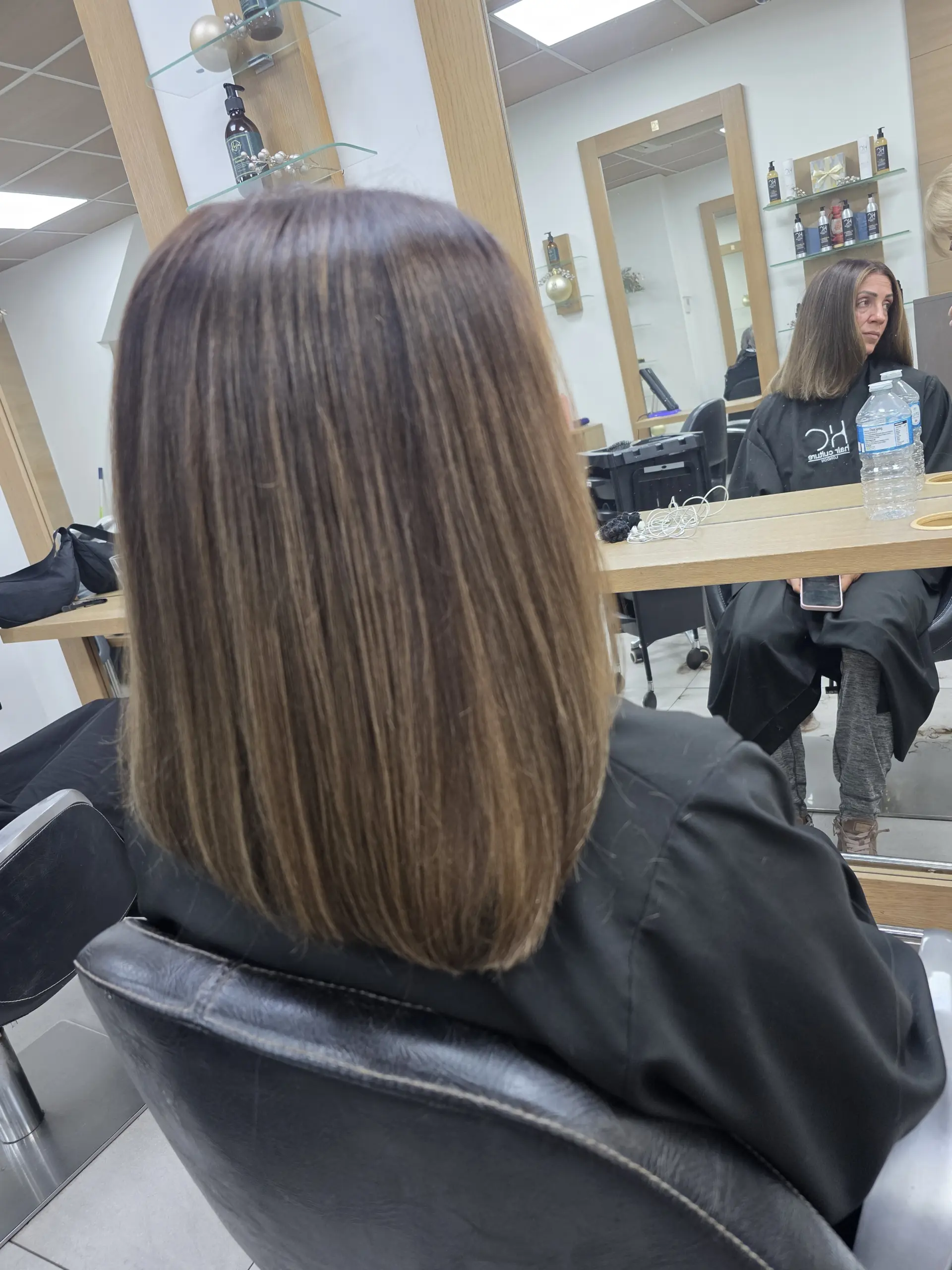
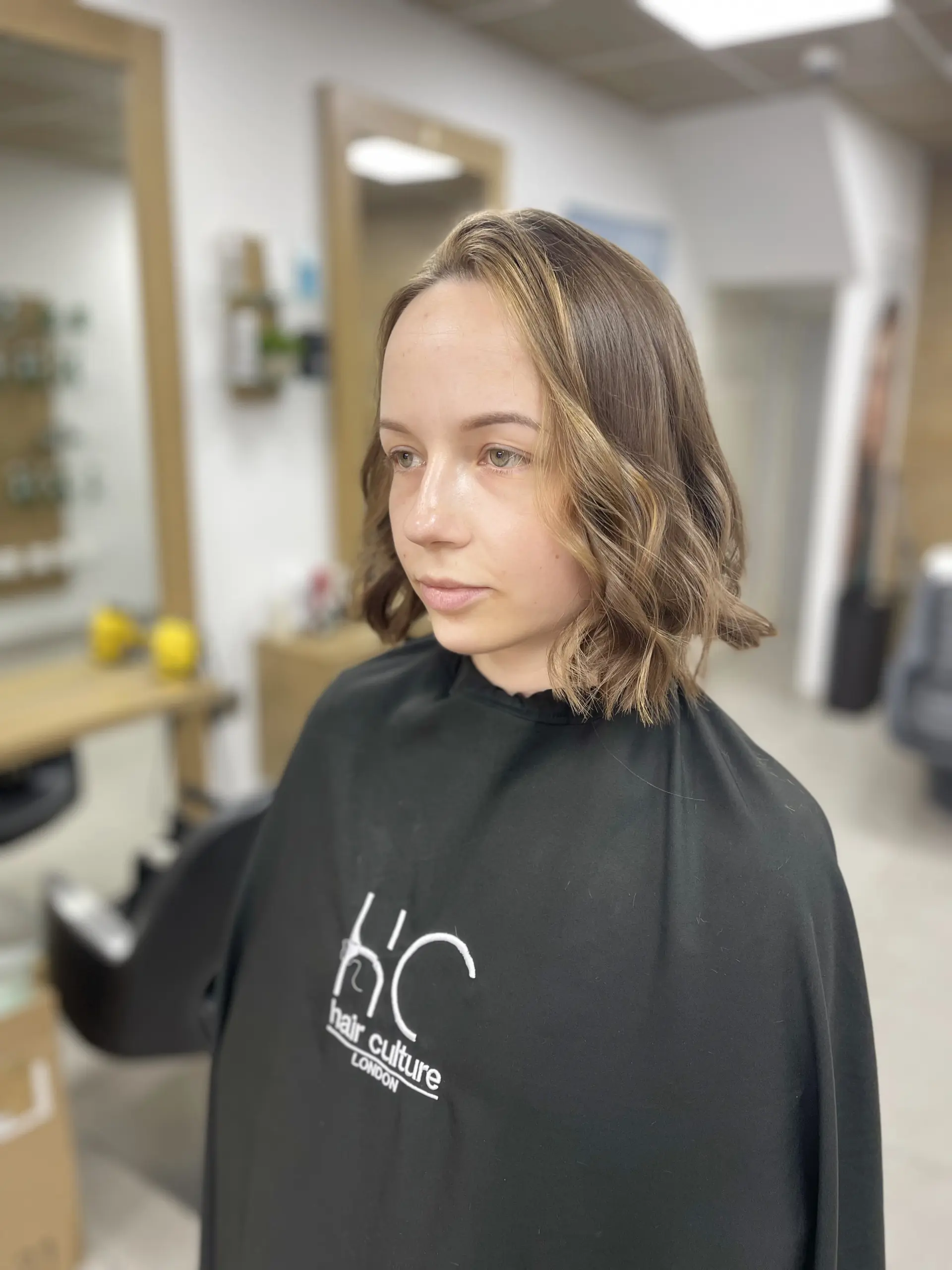
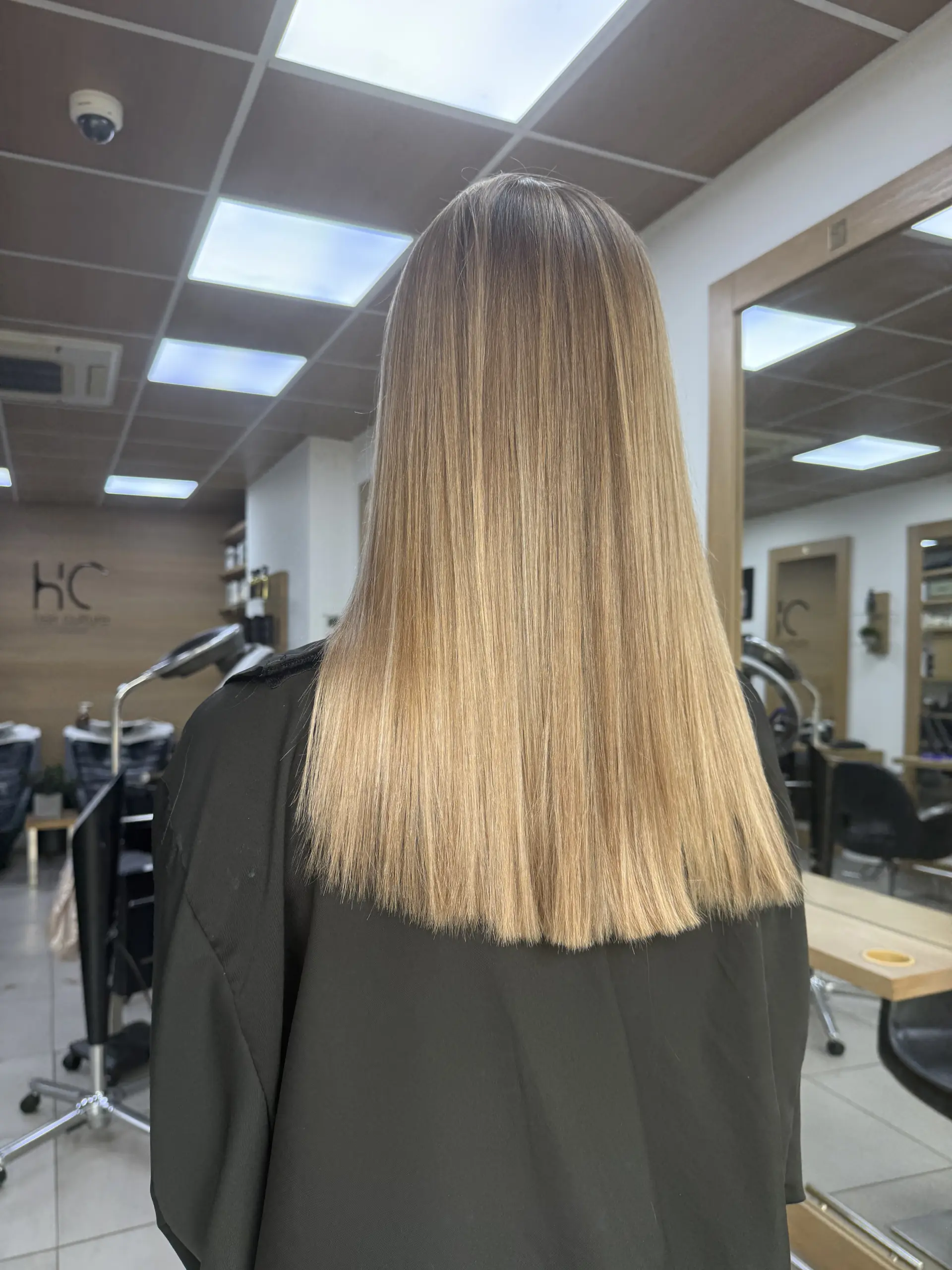
Reverse balayage is known for its lower upkeep because the deeper tones blend smoothly with natural regrowth. Since the technique adds pigment rather than removing it, the colour remains stable for longer periods. Clients usually find that the blend stays intact even as their hair grows, which reduces the need for frequent maintenance appointments. The softened transitions help the hair look balanced for weeks without needing constant correction, especially when the shade choice is close to the natural base.
Reverse balayage lasts longer because the deeper tones blend naturally with regrowth
The longevity of the colour depends on how much contrast was added and how light the existing blonde was before the service. Deeper shades tend to hold well, while cooler tones may need occasional refreshing if the client prefers a very specific temperature in the colour. A toner appointment can keep the blend clear and remove any warmth that appears over time. High-quality shampoos and conditioners designed for coloured hair support this by preventing premature fading and protecting the surface of the hair.
A simple routine with colour-safe products helps maintain tone and smoothness
Daily care also plays a role in how long the result lasts. Heat protection helps preserve the colour when styling tools are used, and moisture-based masks maintain the smoothness and shine created during the service. Harsh clarifying products should be avoided because they can lighten the deeper tones too quickly and weaken the blend. With proper care and product choice, reverse balayage can stay fresh for up to several months, making it a reliable option for clients who want a polished look without heavy maintenance demands.
We have created our own hair care line to support the results we achieve in the salon. These products are chosen to protect colour, keep hair balanced, and maintain depth and shine between visits. They are designed to work especially well with techniques like reverse balayage.
If you want to keep your colour looking fresh and natural at home, we can recommend the right products for your hair type and tone. You can try the same products we trust and use ourselves. They are available through our shop and we are always happy to guide you on what will work best for you.
For colour protection after reverse balayage.
Advanced Colour Protect & Hydrate Shampoo.
This helps keep depth and tone balanced without stripping colour.
For neutralising warmth and brassiness in blonde hair.
Platinum Blue Anti-Brass Toning Shampoo.
This keeps cool tones clean and prevents yellow shades.
For hydration and softness after colouring.
Replenishing Shine & Hydration Conditioner.
This restores moisture and keeps hair smooth and glossy.
For damaged or over-processed hair.
Algapur Hair Restoring Shampoo.
This supports hair strength and improves overall condition.
For scalp balance and fresh roots.
Tea Tree Scalp Refresh Shampoo.
This cleans the scalp without drying coloured hair.
For sensitive scalp or frequent washing.
100% Natural SLS-Free Gentle Shampoo.
This cleans gently and is safe for coloured hair.
For hair that feels flat or weak.
Biotin & Caffeine Hair Growth Stimulating Shampoo.
This supports hair density and healthier growth.
For shine and frizz control.
Hair oils and serums from our shop range.
These add polish and protect the finish of the colour.
For maintaining freshness between washes.
Dry shampoo from Hair Culture Shop.
This refreshes hair without fading the colour.
What Determines the Price of Reverse Balayage
A clear breakdown of what affects the price
The price of reverse balayage depends on several factors, beginning with the amount of work required to rebalance the colour. Hair that has been repeatedly lightened or needs strong correction will take more time and product, which increases the cost. A stylist must assess how much depth is needed, how many sections require pigment and whether the tones must be layered to achieve a clean result. Every head of hair is different, so prices shift based on the level of adjustment needed to reach a smooth and natural finish.
Reverse balayage pricing depends on the time, product and precision needed for your specific hair
The condition and length of the hair also influence the price. Longer or thicker hair requires more colour, more application time and more blending during the final toning stage. If the hair has areas that are patchy, uneven or over-processed, additional steps such as pre-pigmentation or corrective blending may be necessary. These technical processes ensure the colour holds properly and prevent dull or uneven development. Advanced colour work is more time-consuming and is reflected in the final cost.
Long hair, correction work and extra steps such as pre-pigmentation can increase the cost
Another factor is the stylist’s level of experience and the salon’s service standards. Reverse balayage is a controlled technique that depends on accurate placement, knowledge of undertones and strong blending skills. Experienced colourists charge more because they bring higher precision and consistency to the result. Time for consultation, product quality, glossing, treatments and finishing also contribute to the price. Clients should expect a cost that reflects the method’s complexity rather than a simple one-shade application.
Correction Level
More correction or uneven tones increase the work and cost.
Hair Length and Density
Longer or thicker hair needs more product and application time.
Condition and History
Damaged or over-lightened hair may require extra steps.
Stylist Expertise
Advanced skill and clean blending reflect in premium pricing.
Included Services
Consultation, toning, treatment and styling affect the total cost.
Common Questions About Reverse Balayage
Answers based on technique, colour science and experience

This section brings together the questions clients ask most often when researching reverse balayage. The answers explain the method in clear language and give realistic expectations about colour, upkeep, tone, suitability and results. Each reply is written to help readers understand how the technique works in real life and what they can expect during and after their appointment. The goal is to give confident, complete and detailed guidance so that clients can make informed decisions before booking.
How Stylists Customise Reverse Balayage
A personalised process built around your natural shade
Stylists customise reverse balayage by first studying your natural shade, your current colour and the way your hair responds to pigment. Every client starts from a different point, so the method must be adapted to your hair history and goals. The stylist identifies where the hair needs depth, where lightness should remain and how soft the contrast should be. This ensures the final result matches your complexion, your style and the amount of blonde you want to keep. Nothing is placed at random; each tone has a purpose and a clear role within the overall blend.
Stylists customise reverse balayage by choosing tones and placement that match your natural features
Tone selection is another key part of customisation. A stylist chooses shades that work with your skin undertone and natural root colour. Some clients suit warm, earthy tones, while others need cooler mushroom shades or soft sandy beige. These choices change the entire feel of the colour. Subtle variations create balance and support the natural features of the face. The stylist may also adjust the level of depth to keep the blonde bright in some areas and softer in others. This gives a personalised result that feels natural rather than overly planned.
The technique adapts to hair texture, length and your preferred level of contrast
Placement completes the custom approach. The stylist paints deeper tones only where the hair needs structure, avoiding areas that should stay light for brightness or shape. This might include soft shadowing near the root, controlled depth through the mid-lengths or minimal darkening of the ends to keep movement visible. Curly hair may receive different placement than straight hair to highlight texture. Fine hair may need more scattered depth to build volume visually. Thick hair may need more controlled contrast to avoid heaviness. Each choice allows the colour to fit the client’s hair shape and lifestyle, making the final look both flattering and easy to maintain.
A personalised approach ensures the colour looks natural, balanced and easy to maintain
Tone Matching
Selecting shades that support your natural undertone and skin tone.
Targeted Placement
Adding depth only where needed to shape the overall look.
Contrast Control
Adjusting intensity to suit bright blondes, softer blondes or natural brunettes.
Texture Awareness
Changing placement for straight, wavy or curly hair to enhance movement.
Feature Enhancement
Using light and depth to highlight facial features and soften lines.
The Right Moment to Speak With a Colour Specialist
Understanding when expert advice is necessary
A consultation is important when you are unsure how much depth you want or how the final result should look. Many clients feel their blonde is too bright but do not know the exact level of softness they prefer. Speaking with a stylist helps you decide how much dimension to add and which tones will work best with your natural shade. The consultation also clarifies whether reverse balayage is the right method or if another technique will suit your goals better.
A consultation ensures the stylist understands your goals and chooses tones that suit you
Booking a consultation is essential when your hair has a long or complicated colour history. Previous bleaching, highlights, home dyes or uneven lifting can affect how new tones develop. A stylist needs to examine the hair in natural light, test its elasticity and check how porous it has become. These details influence the choice of shade, placement and whether a pre-pigmentation step is necessary. This ensures the colour holds properly and avoids issues like dullness, patchiness or overly dark areas.
Seeing the hair in person allows for accurate planning and a more reliable final result
Clients should also book a consultation when they want a major improvement in tone balance or overall quality. If the hair has become flat, brassy or disconnected, a consultation allows the stylist to plan a targeted approach. Seeing the hair in person helps determine how to blend the tones, how to correct heavy foils and how to keep the blonde that suits the face shape. It also gives space to discuss maintenance levels, suitable products and expected longevity. A consultation provides clarity and ensures the final look meets your expectations.
Stay in Touch for Colour Advice and Support
Guidance for anyone exploring new colour ideas
If you are thinking about reverse balayage or want to understand which tones would suit you best, you can reach out at any time. A short message is enough to begin. You do not need to know the exact technique or choose colours in advance. Tell us what you like, how your hair feels now and what change you are hoping for. We will guide you with simple, clear advice.
Stay connected if you want updates about new tones, seasonal colour ideas or tips on caring for blonde and blended hair. You can message us through our contact form or reach us on social channels for quick guidance. We are here to support you with fresh inspiration, practical advice and personalised colour suggestions whenever you need them.
Signing up is easy! Simply enter your email address below and click subscribe to start receiving updates tailored to your hair care needs.
Join our community and let us help you achieve and maintain beautiful, healthy hair.