
Classic Highlights, Babylights and AirTouch Explained
Your Guide to Choosing the Right Blonding Technique
Going lighter should feel exciting, not confusing.
This guide explains how each technique works, how natural the roots look, how often you need to return, and which method is safest for your hair.
The goal is simple: to help you choose a blonde that suits your style, your hair condition and your maintenance level.
How Blonding Has Changed in Recent Years
Today’s Approach to Safe Blonding
Modern blonding is nothing like the old methods used years ago. Clients today expect soft roots, smooth blends and healthy hair. They want brightness, but they also want the colour to look natural and clean.
The products and tools used by stylists have changed a lot. Lighteners are now gentler, more stable and protect the hair better during processing. Treatments such as bond builders help reduce breakage and keep the hair stronger.
Techniques have also become more precise. Instead of simple foils, stylists use refined placement to blend shades and avoid harsh lines. This allows the blonde to grow out smoothly and keeps the look more natural for longer.
Explore the Three Main Blonding Techniques
Each method creates a different type of blonde
Today’s blonding is all about choosing a method that fits your hair, lifestyle and the level of upkeep you prefer. These three techniques are the most popular because they offer different looks and different growing-out patterns. Tap on each to jump to the full explanation.
Classic Highlights
Creates clear, visible light pieces and a brighter overall look.
Babylights
Very fine and soft. Gives a natural blend with gentle regrowth.
AirTouch
Luxurious and seamless. Grows out slowly and keeps a clean blend for months.
Classic Highlights – What They Are
A clear look at the traditional highlighting method
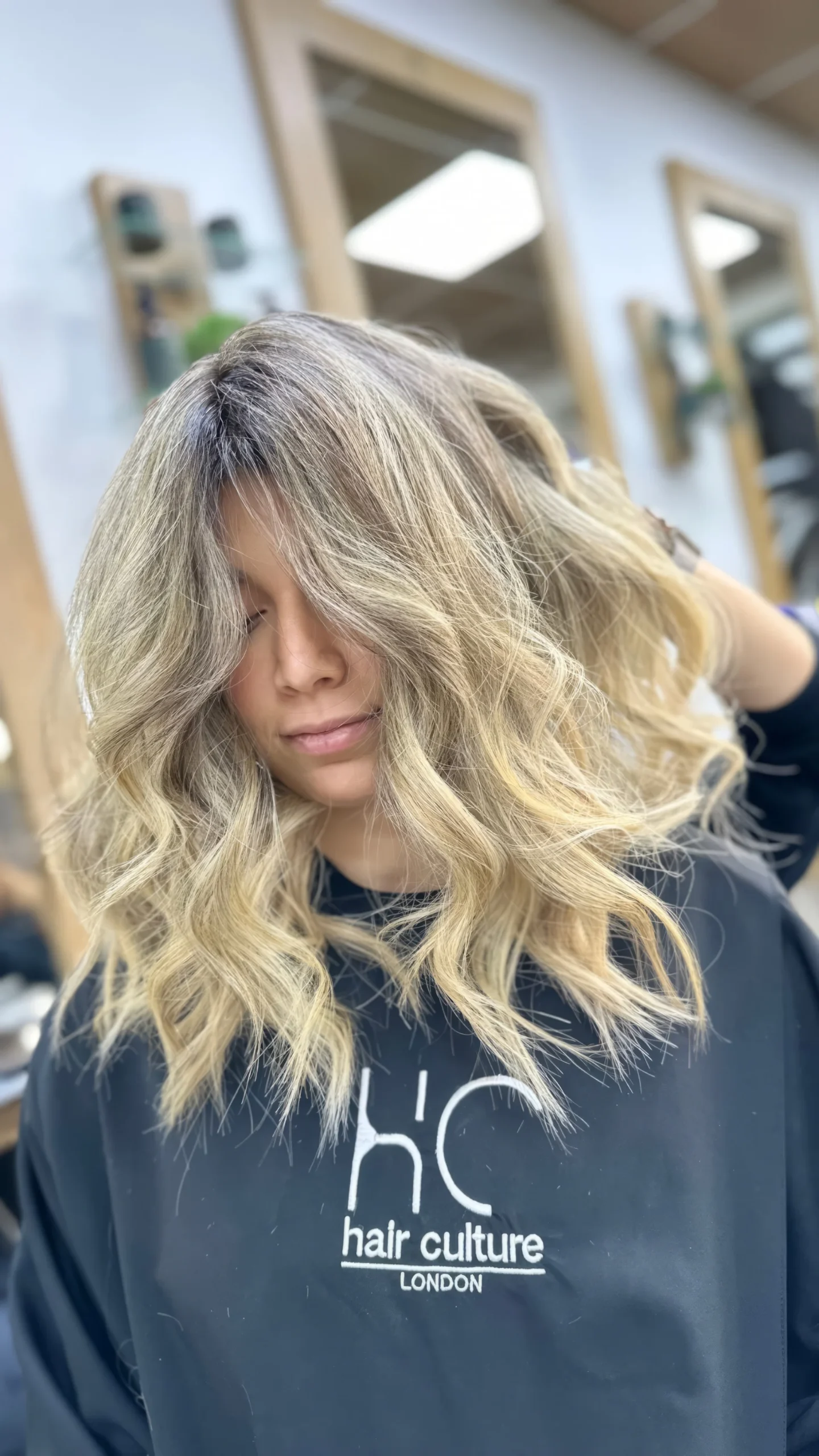
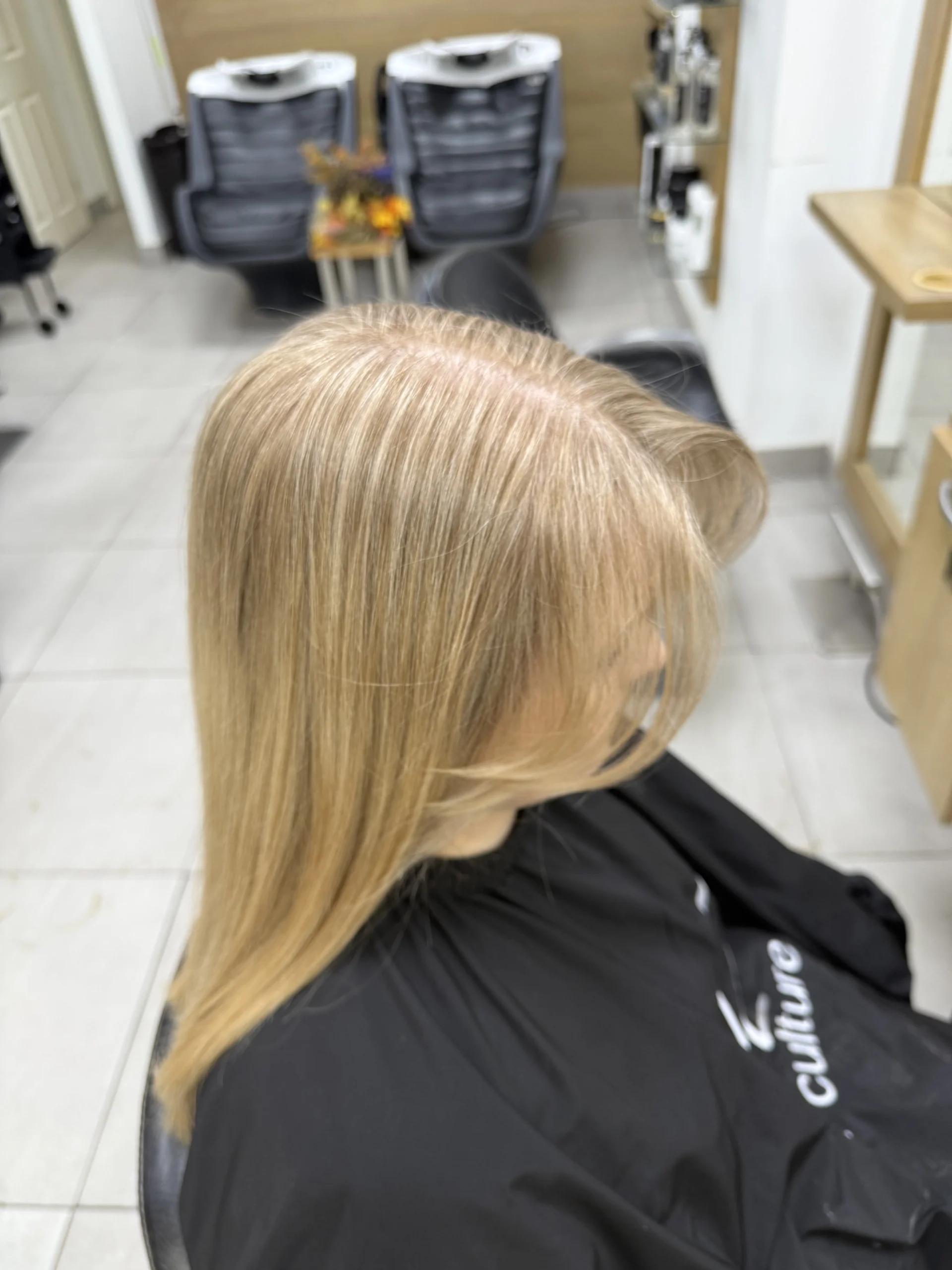
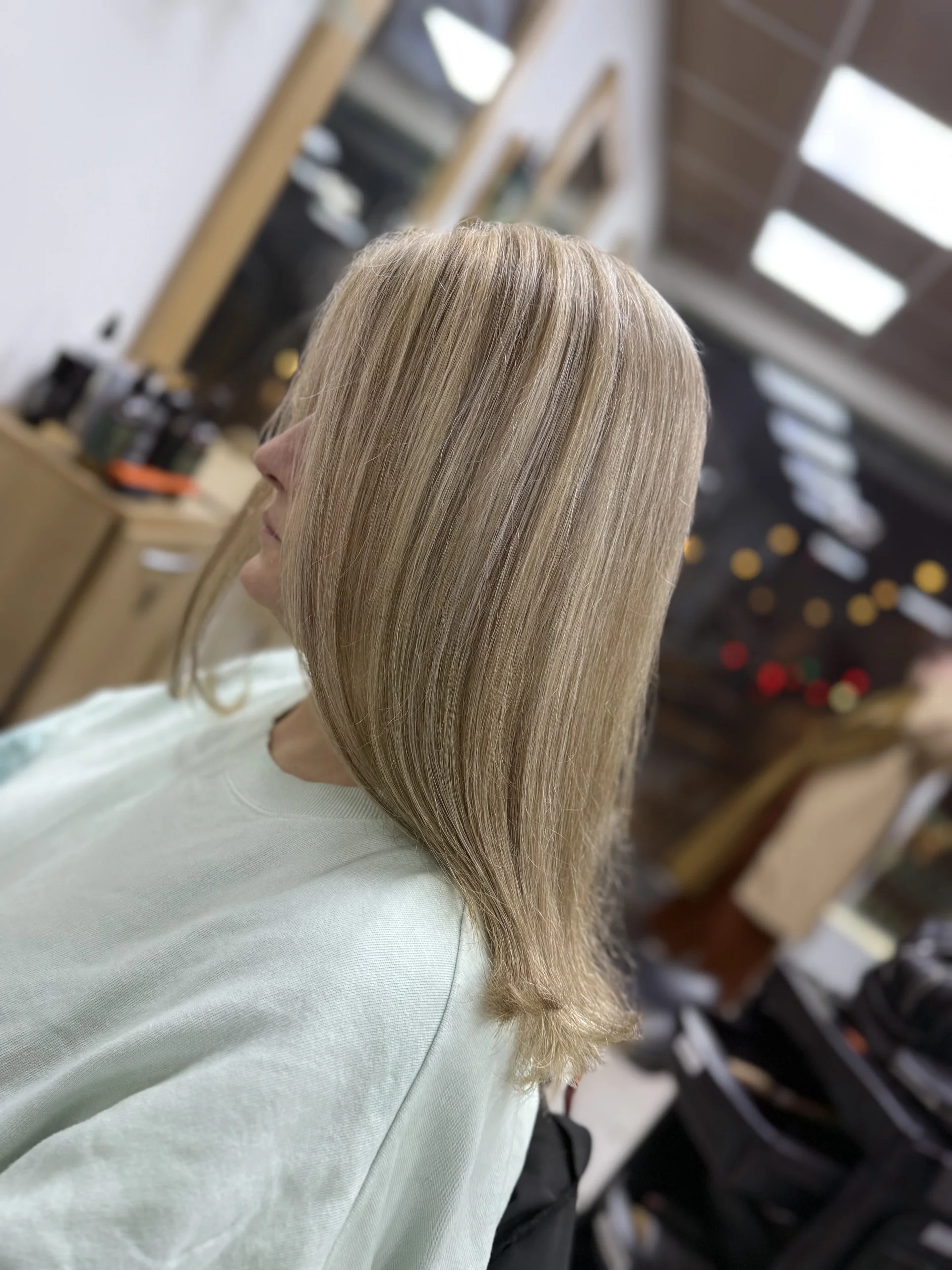
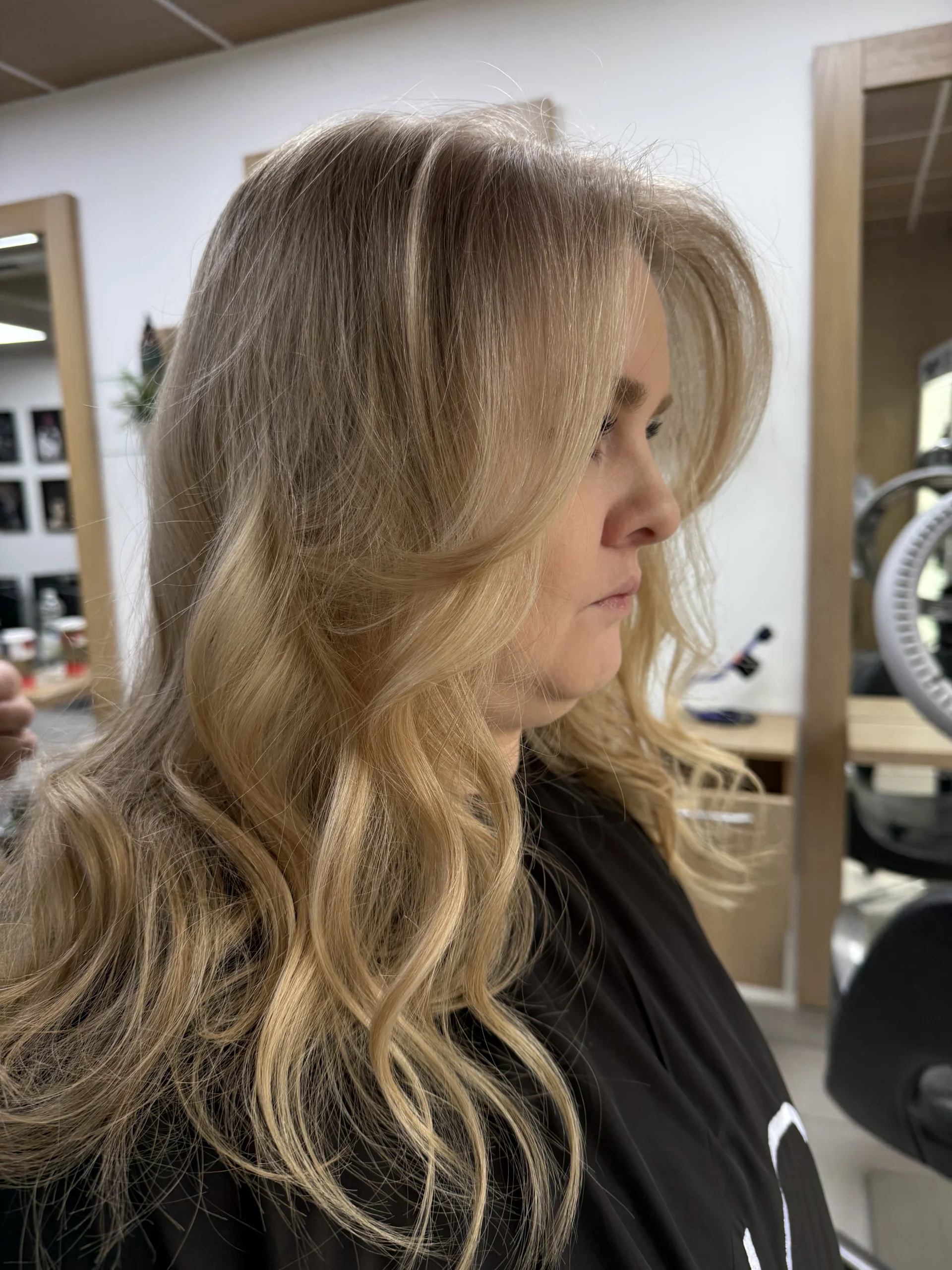
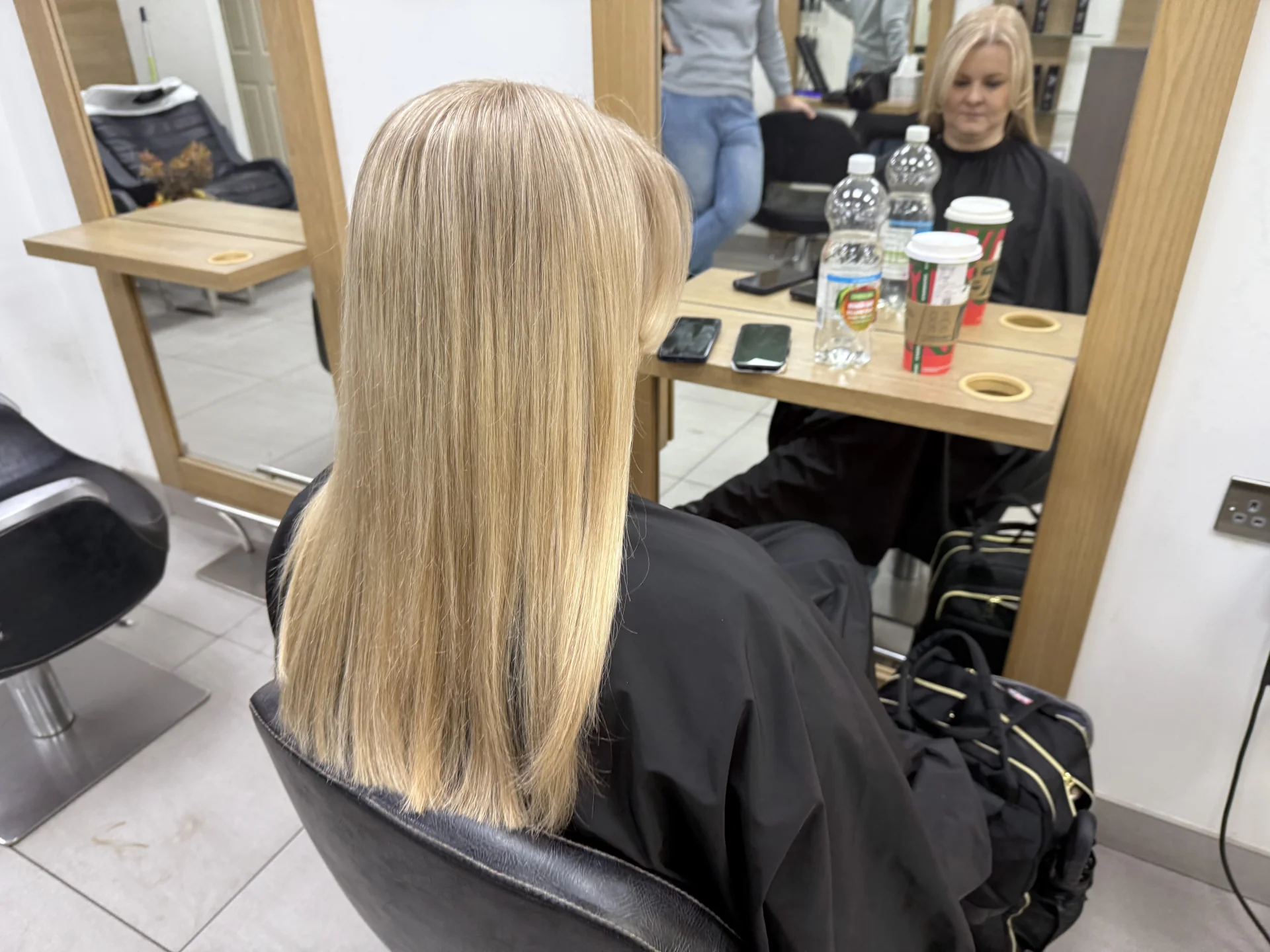
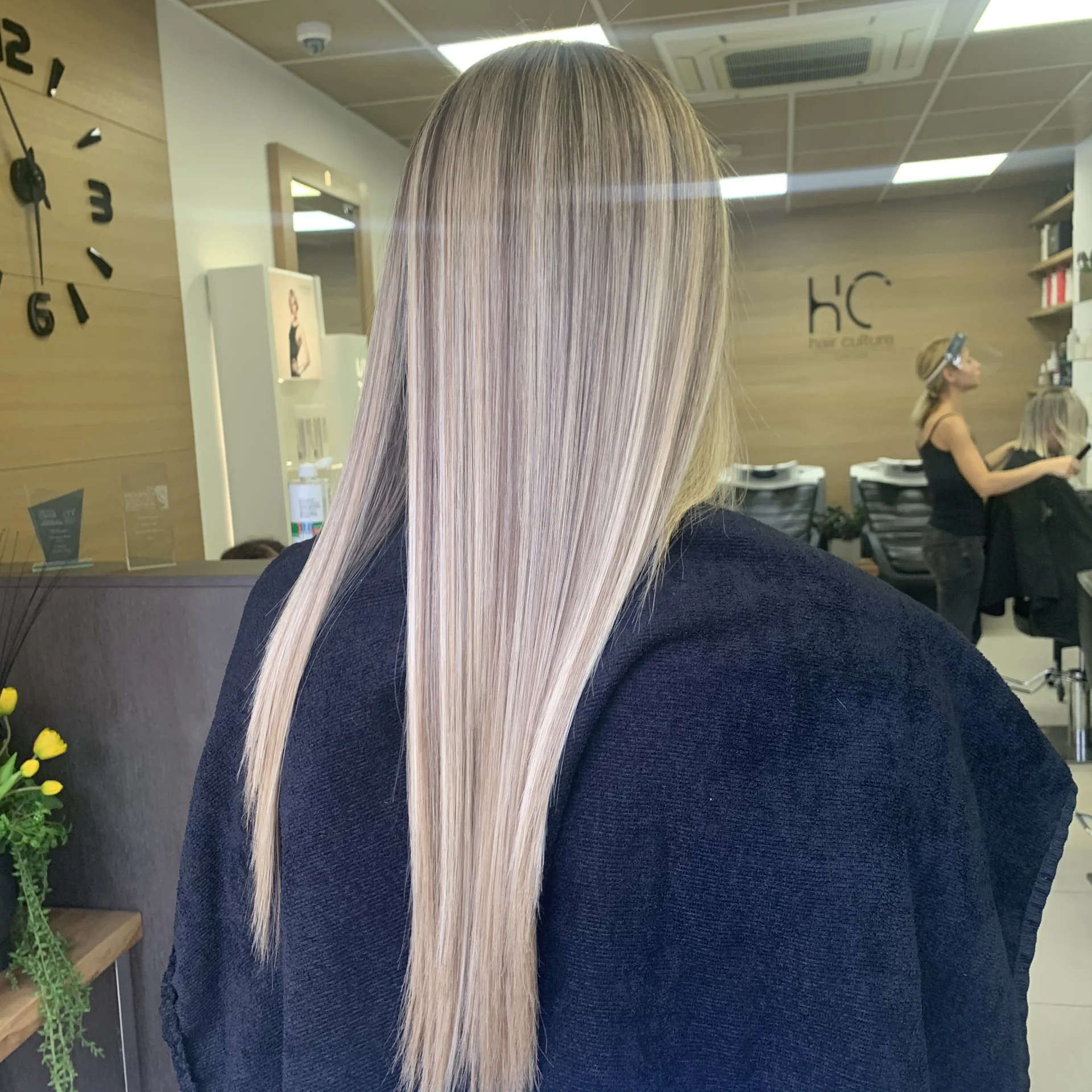
Classic highlights are created by taking small sections of hair, weaving out fine strands and placing them into foils. The stylist applies lightener only on the chosen strands, which lifts them to a brighter shade. This technique gives controlled brightness and a clear pattern through the hair.
The result depends on how much hair is placed into foils. More foils mean lighter overall colour. Fewer foils give a softer, more natural lift. The contrast between your natural shade and the highlighted strands is usually stronger than in modern blend-focused methods.
Classic highlights have changed over the years. The placement is more refined, the foils are used with more control, and the blending near the roots is softer than before. Stylists mix different tones to avoid hard lines and to create a cleaner blend.
Today’s classic highlights can look natural or bold depending on how much hair is lifted and how the shades are mixed. Root melting or soft toning is often added to soften the contrast. This gives a modern, fresh look while keeping the brightness that many clients enjoy.
Classic highlights remain popular because they lift the hair well and create clear light pieces, but with a cleaner and more natural feel than in the past.
Classic Highlights – Look and Results
How this technique shapes your overall colour
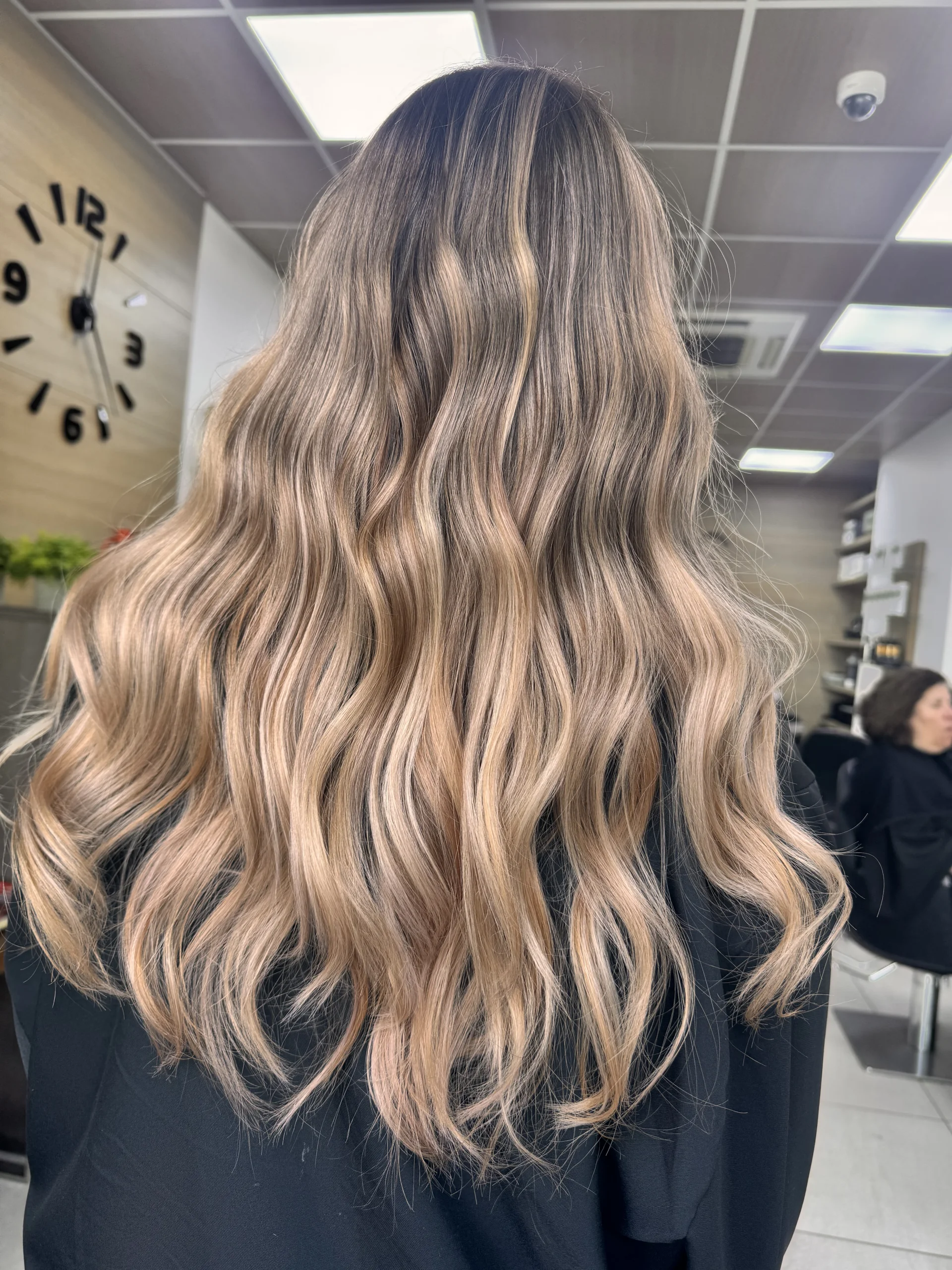
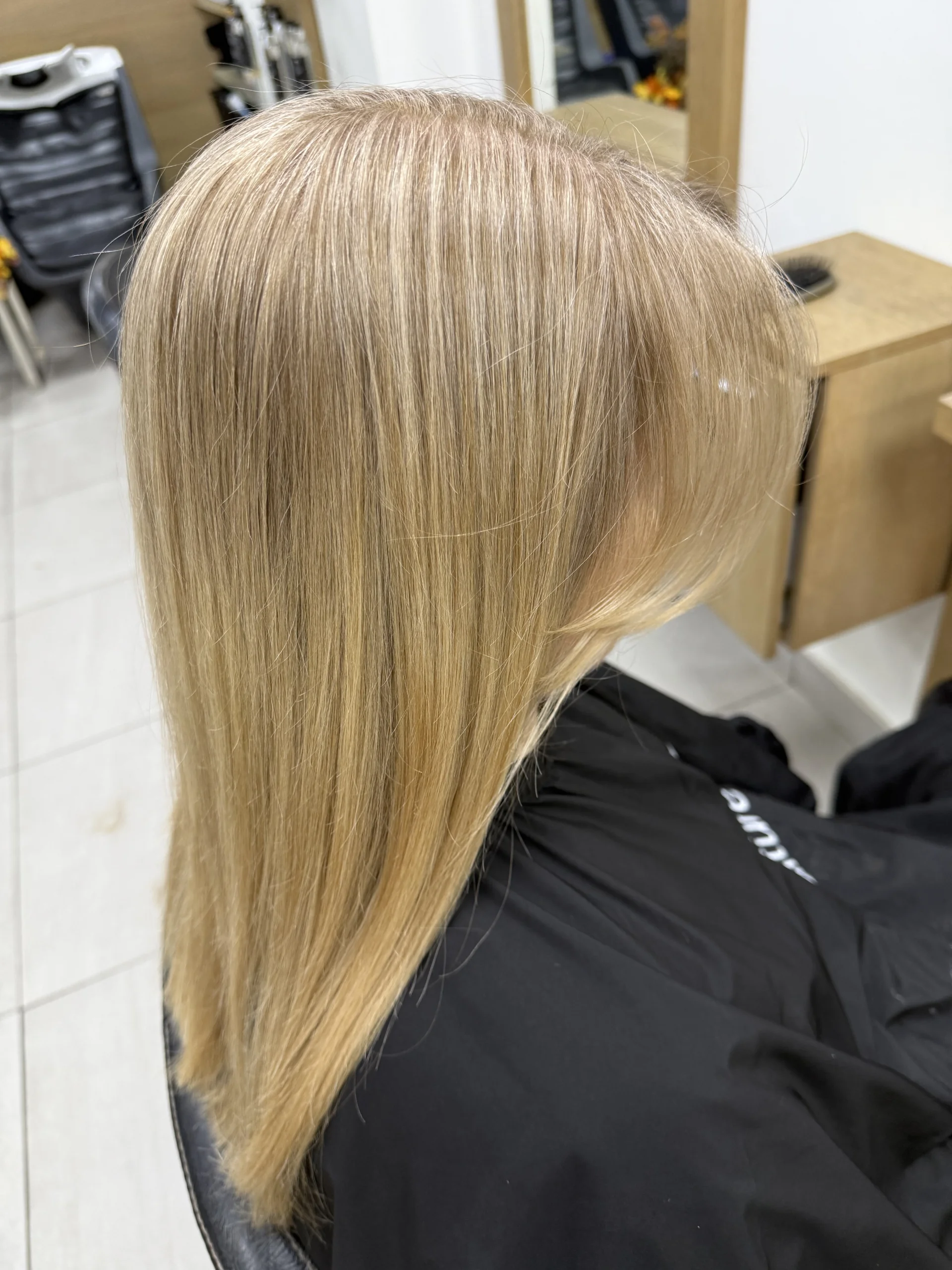
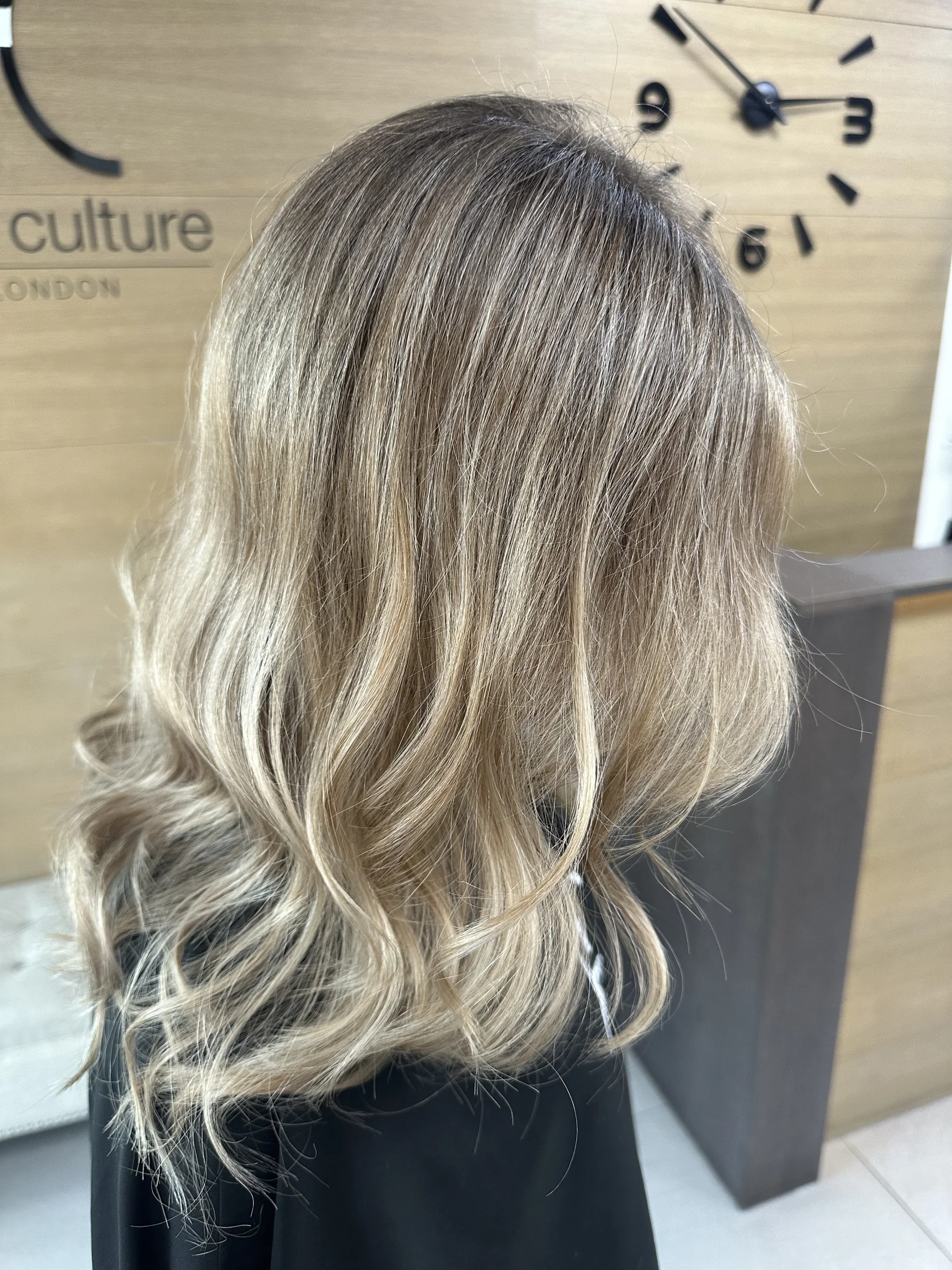
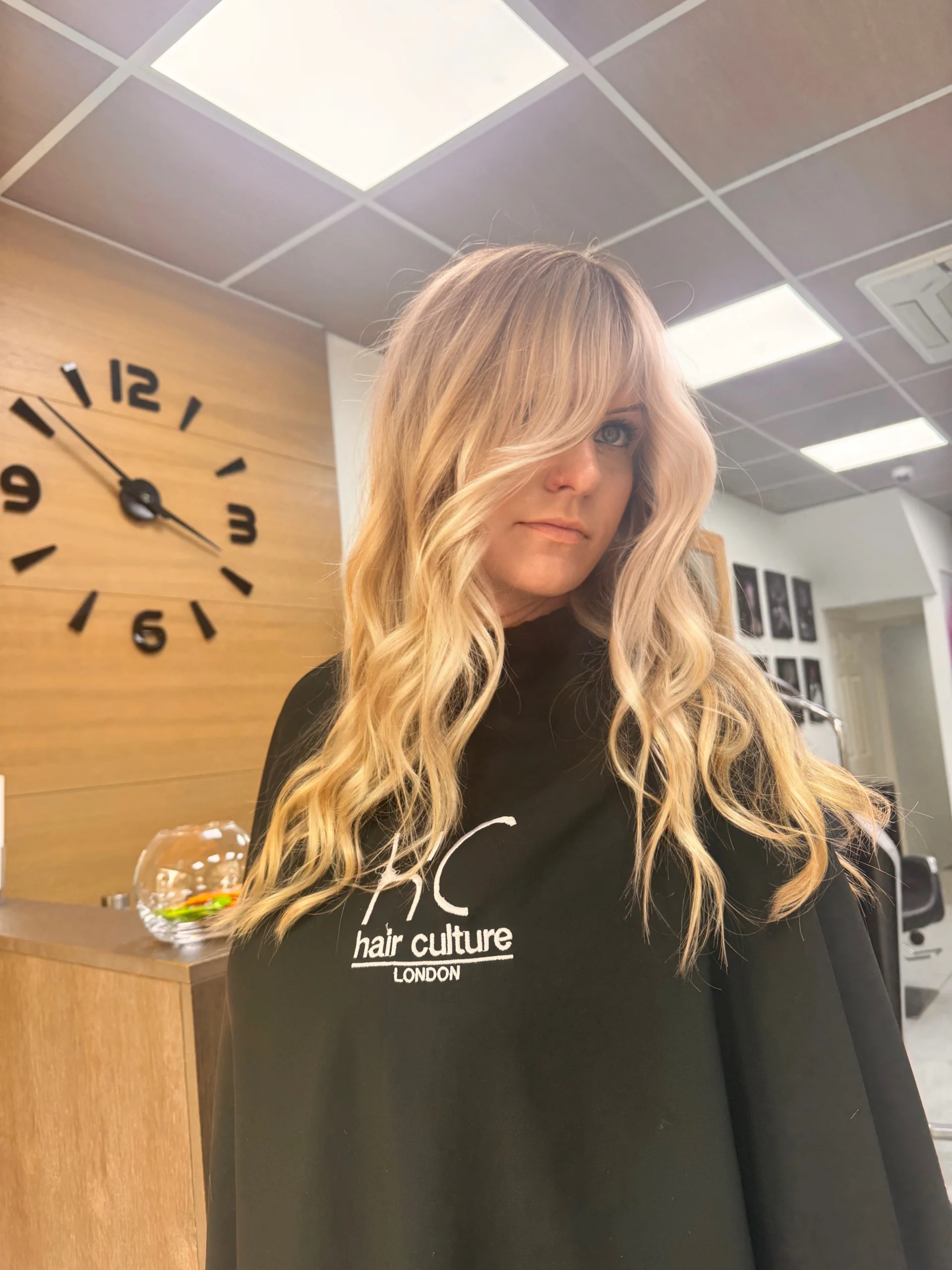
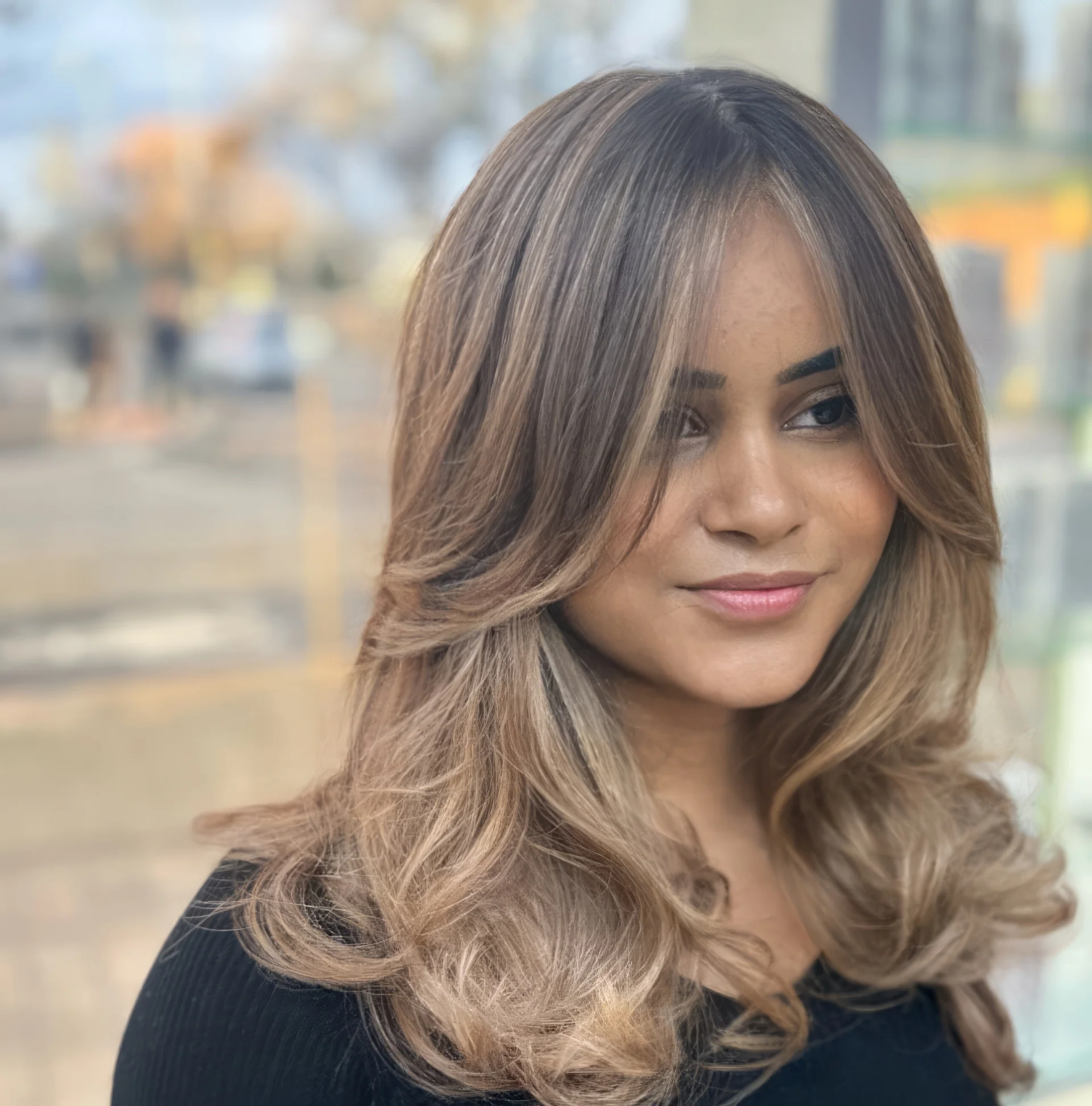
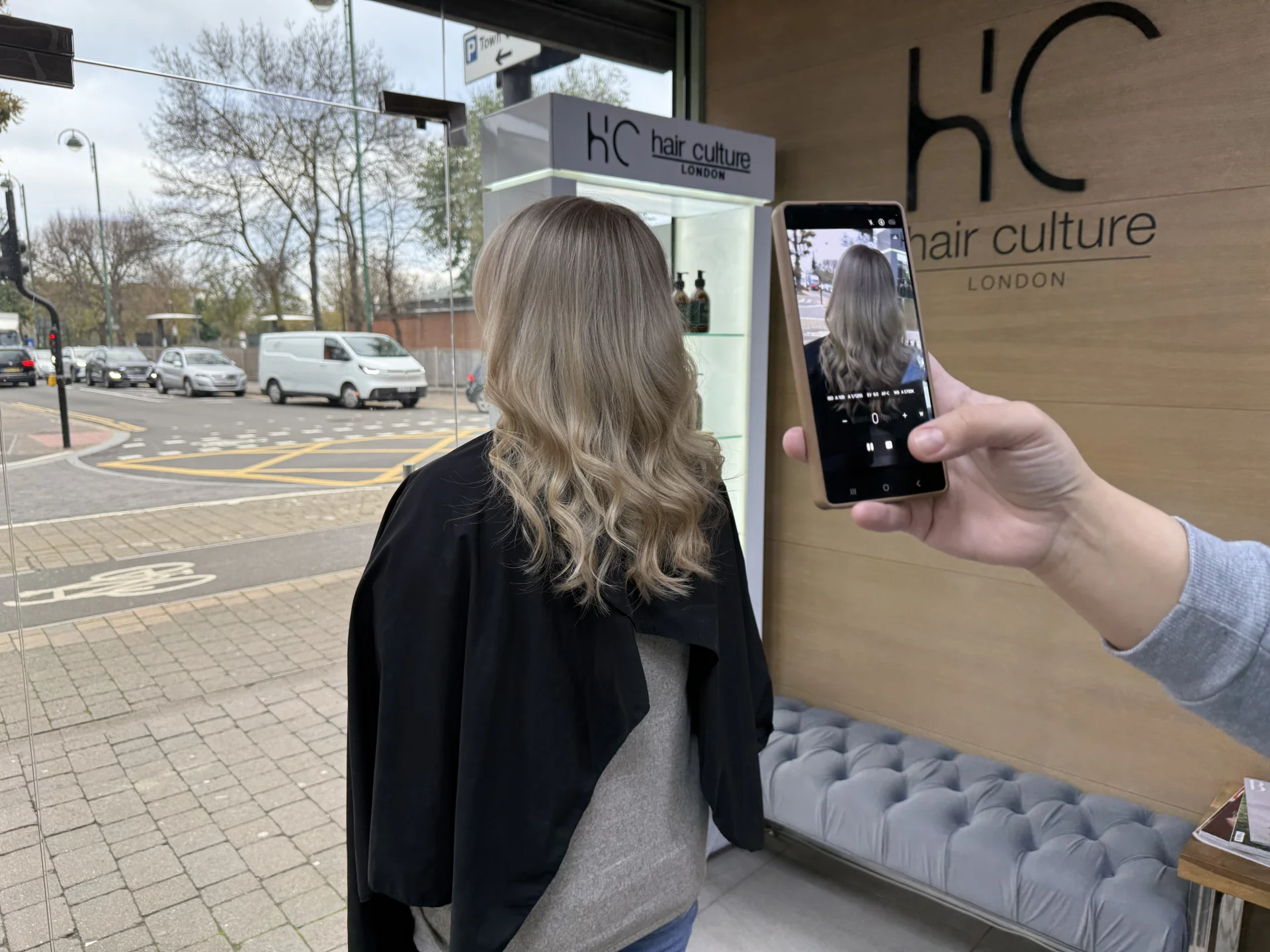
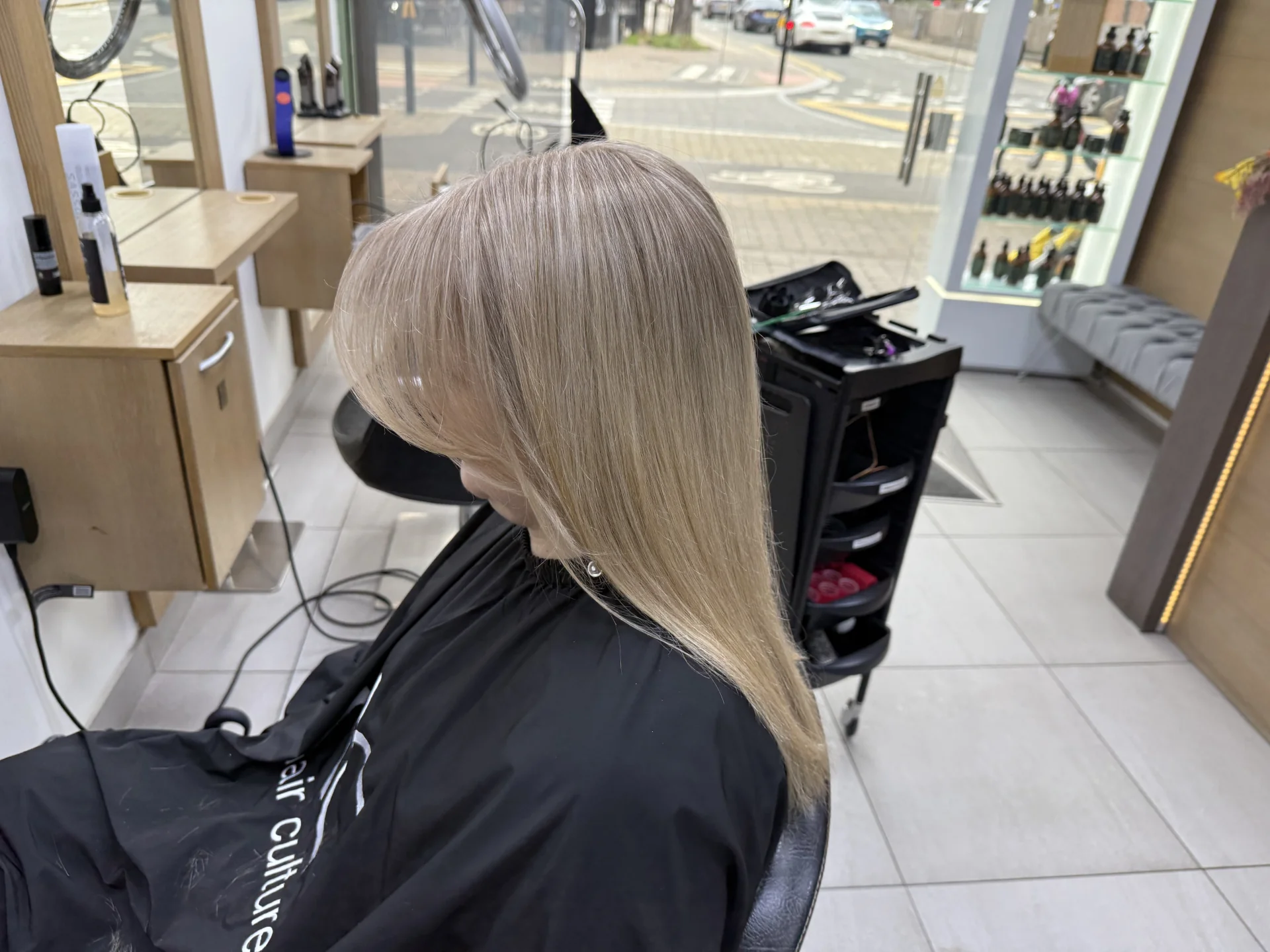
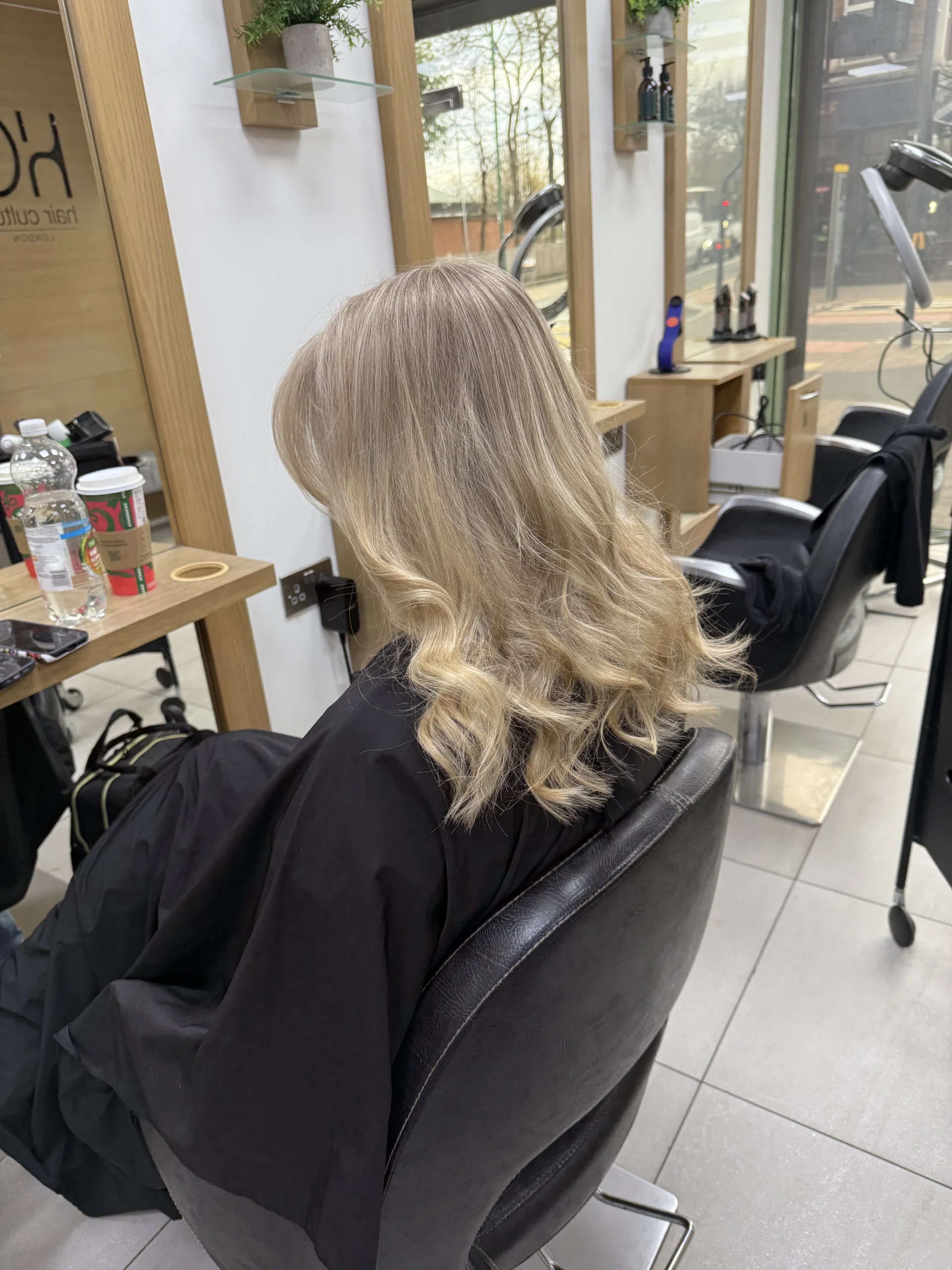
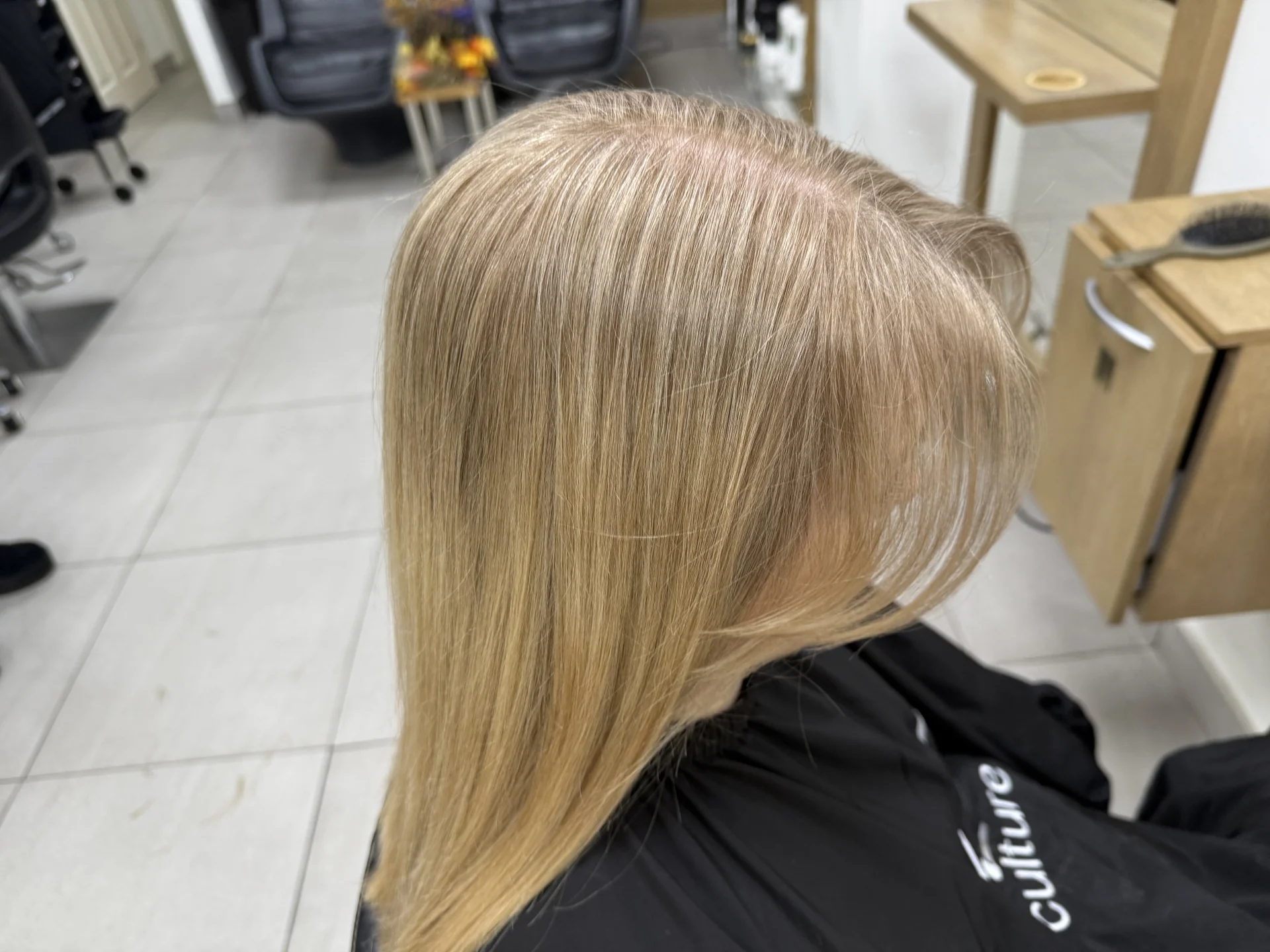
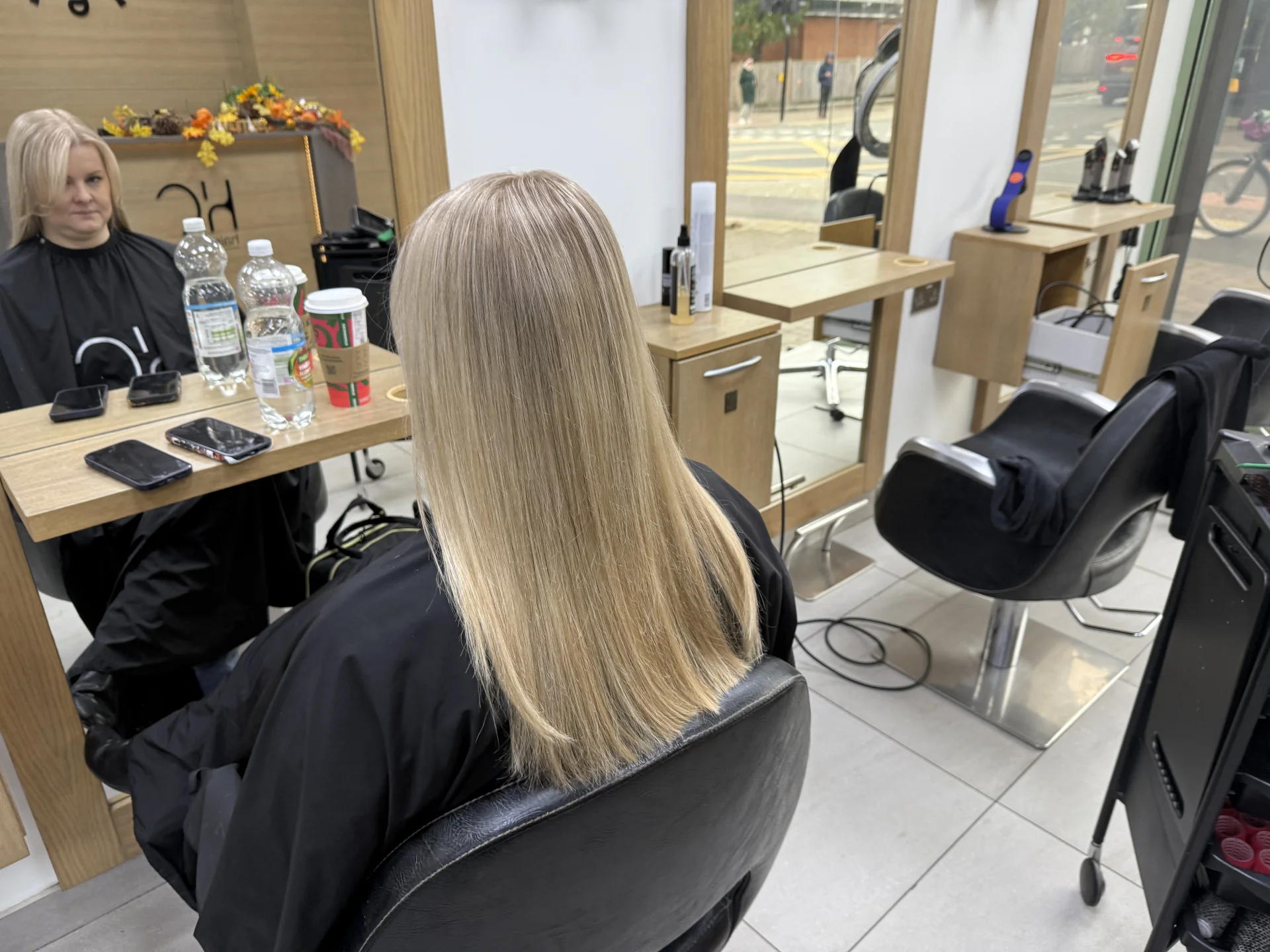
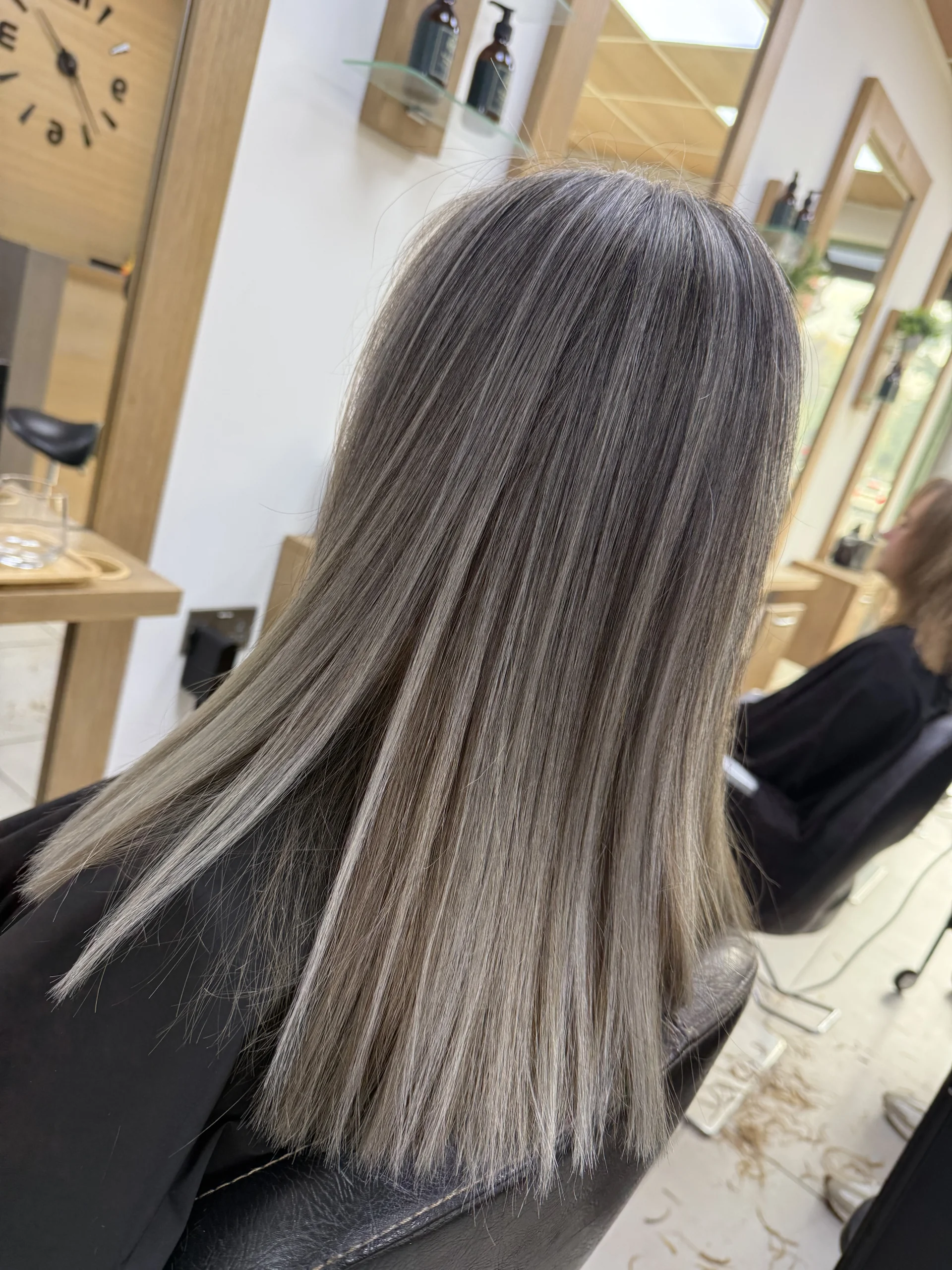
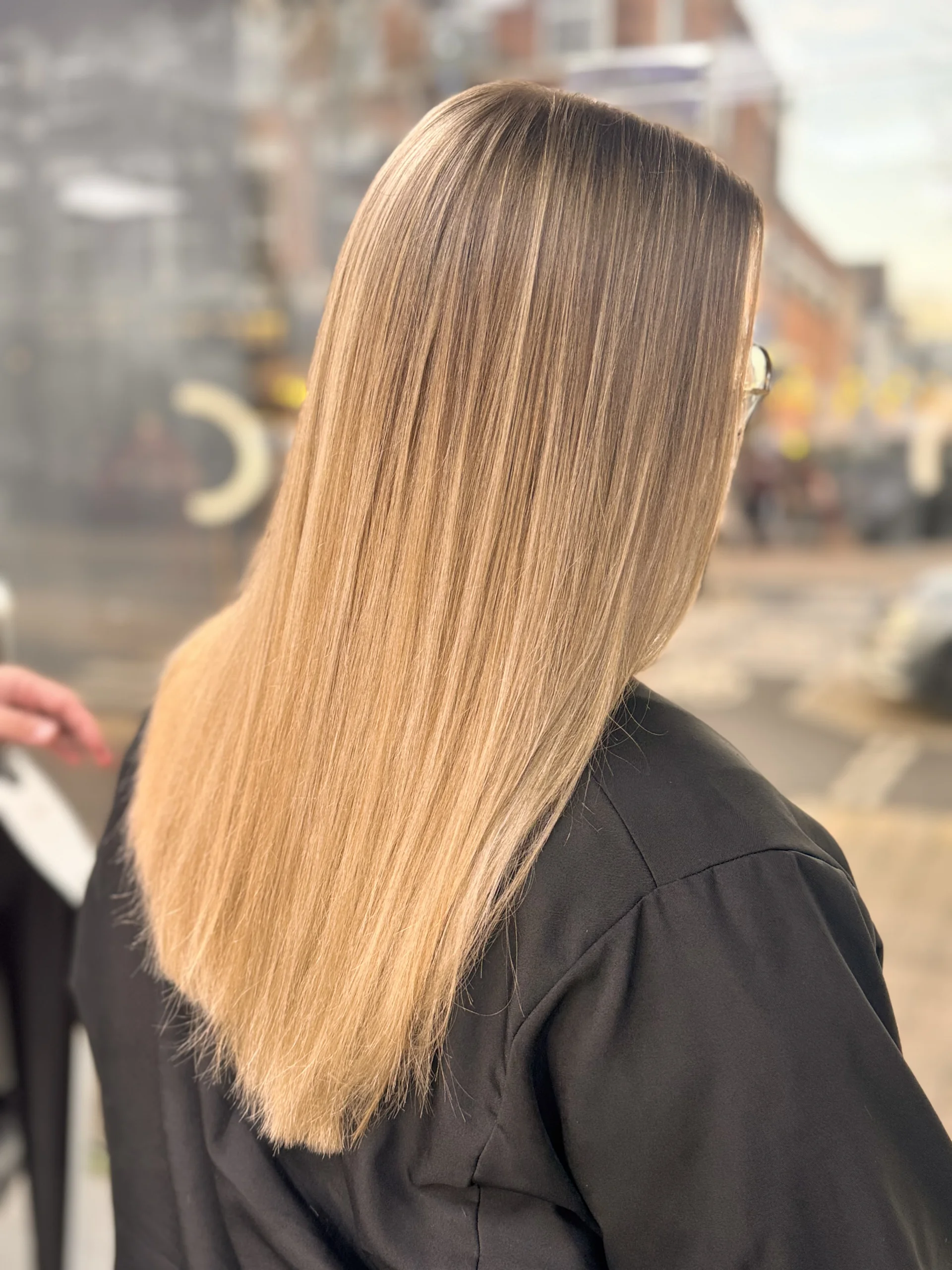
Classic highlights create clear, visible strands that sit brighter than the natural hair. The look is more defined than soft blend techniques, so you can see the lighter pieces more clearly. This gives a fresh, lifted effect that brightens the whole style.
The result depends on how many foils are used and how strong the lift is. With more foils, the hair looks lighter overall. With fewer, the blonde appears softer but still patterned. The contrast between your natural shade and the highlighted strands remains part of the look.
Classic highlights suit clients who like to see their blonde and prefer a brighter finish. They work well for brunettes and dark blondes who want to go lighter in stages, and for anyone who enjoys a salon-fresh look with clear definition.

Looking After Classic Highlights
Your guide to safe, healthy upkeep
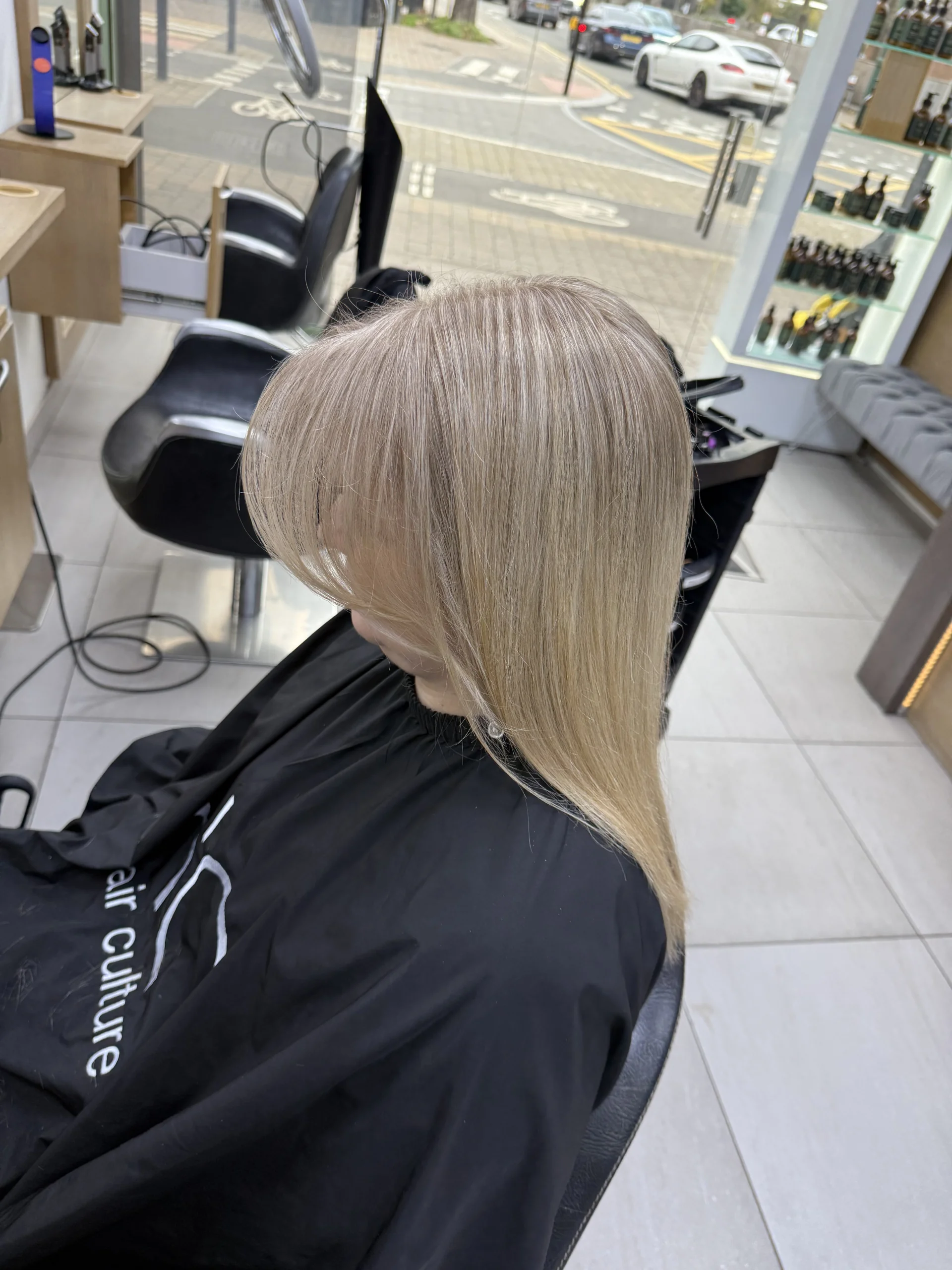
Highlighted hair needs gentle care to stay bright and smooth. Classic highlights lift the hair, so the strands become more sensitive to heat, friction and harsh shampoos. Daily care helps keep the cuticle calm and prevents dryness. Use a colour-safe shampoo and conditioner made for lightened hair. Good options from our shop include the Hair Culture Colour Safe Shampoo and Conditioner. They help protect tone and reduce fading.
Lightened hair can dry out faster, so damage risks increase if you use heat often or do not protect the strands. A heat protection spray is important before blow-drying or styling. A leave-in conditioner or hydration spray keeps the hair softer and helps with detangling. The Hair Culture Hydration Spray and Hair Culture Leave-In Conditioner work well for this. Using a bond treatment once a week can support the structure of the hair.
Classic highlights need salon maintenance every eight to twelve weeks, depending on your natural shade and how bright the highlights are. A toner refresh is often needed sooner than the lightening itself. This keeps the colour clean and stops unwanted warm tones. Regular trims also help keep the ends healthy.
How Classic Highlights Differ From Babylights and AirTouch
Understanding the key differences in look, technique and maintenance
Classic highlights stand out because they create stronger contrast and a brighter pattern in the hair. They do not blend as softly as babylights and they do not give the seamless finish of AirTouch. This makes them a good choice for clients who like visible light pieces and a fresh, lifted look straight after the appointment.
They also grow out faster, because the line between your natural shade and the lighter strands is clearer. Babylights grow out softer, and AirTouch grows out even more naturally. Classic highlights are quicker to apply than AirTouch and usually take less time than full babylights.
What Babylights Mean in Modern Blonding
A gentle lightening method with a natural finish
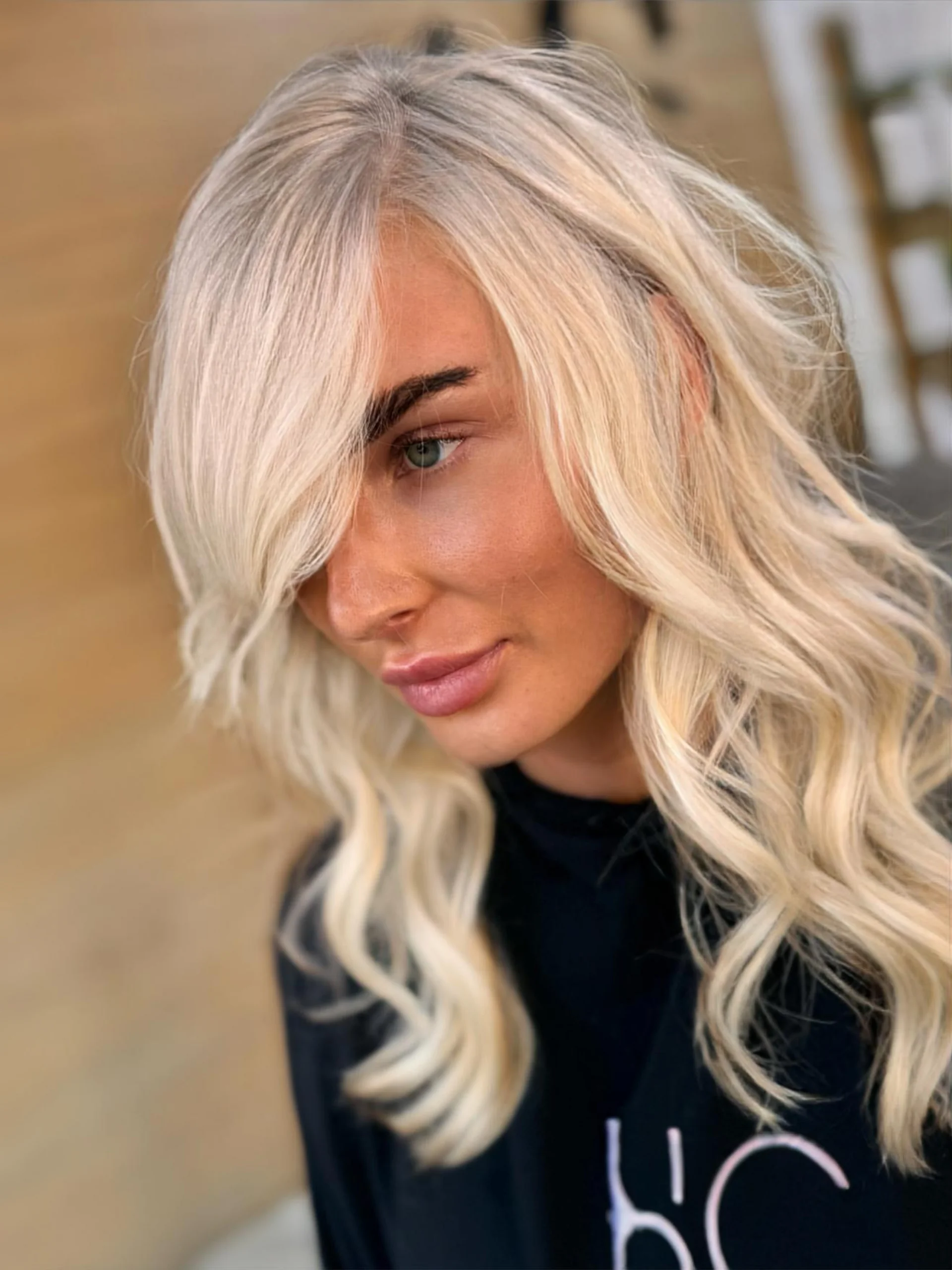
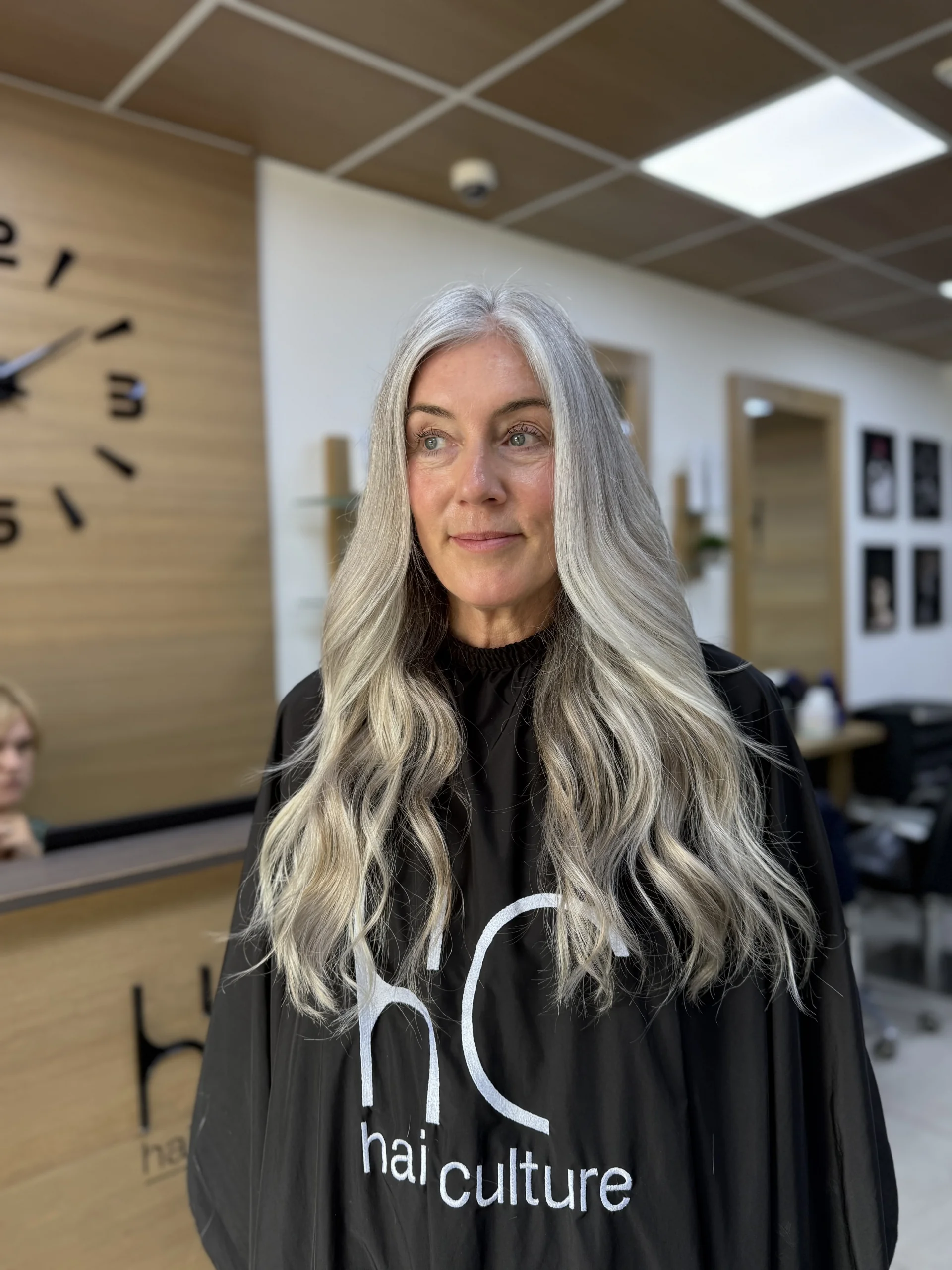
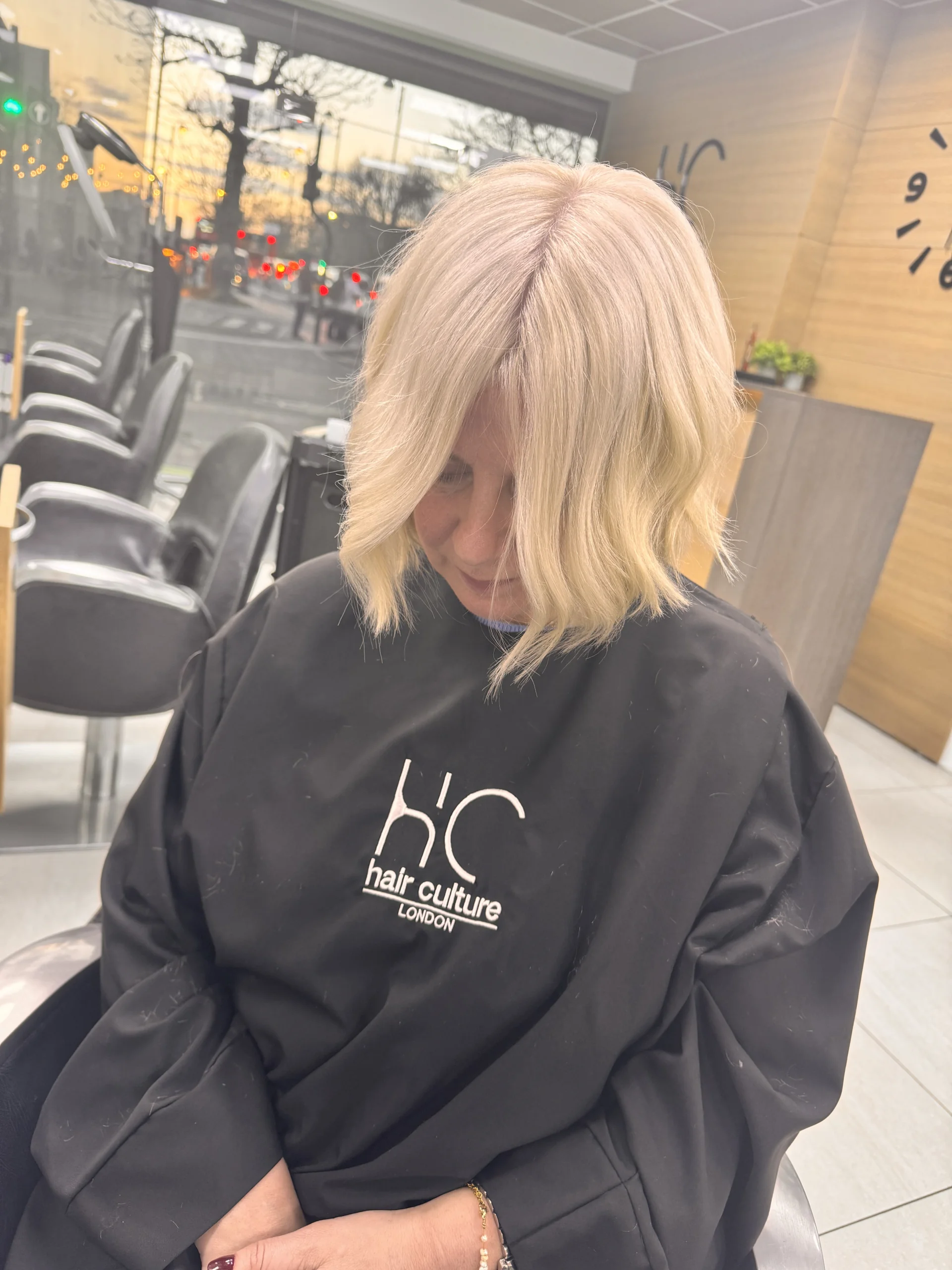
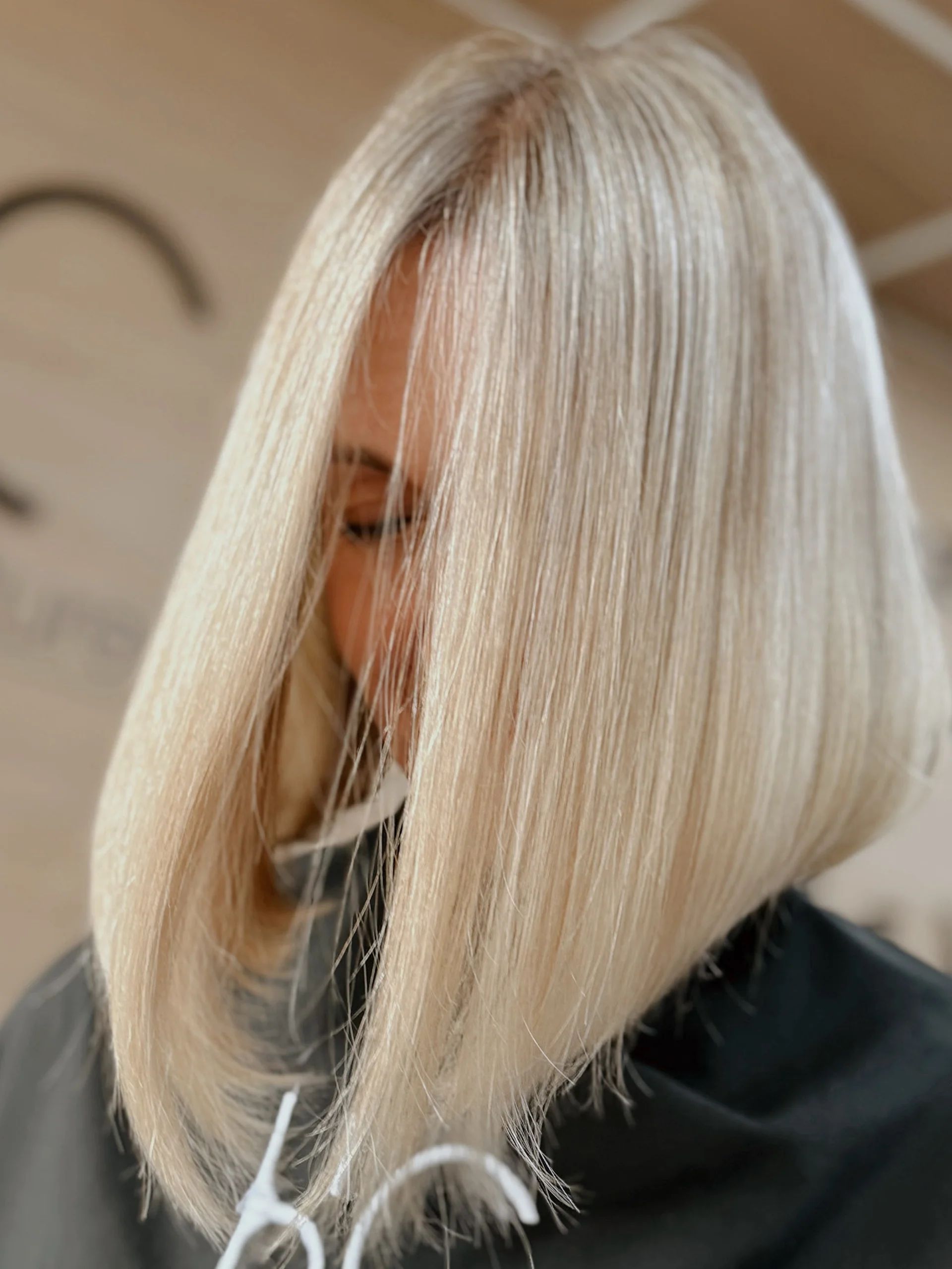
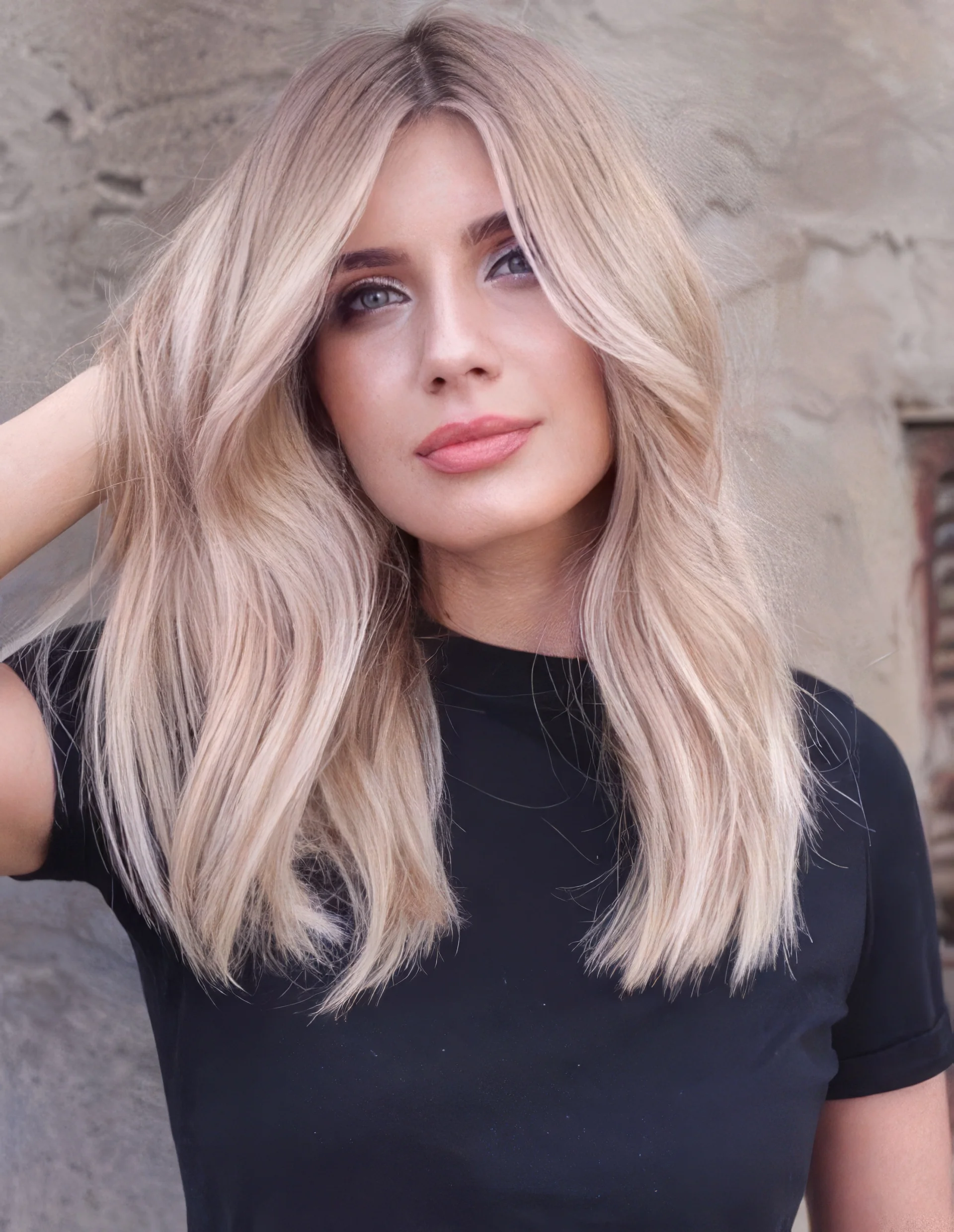
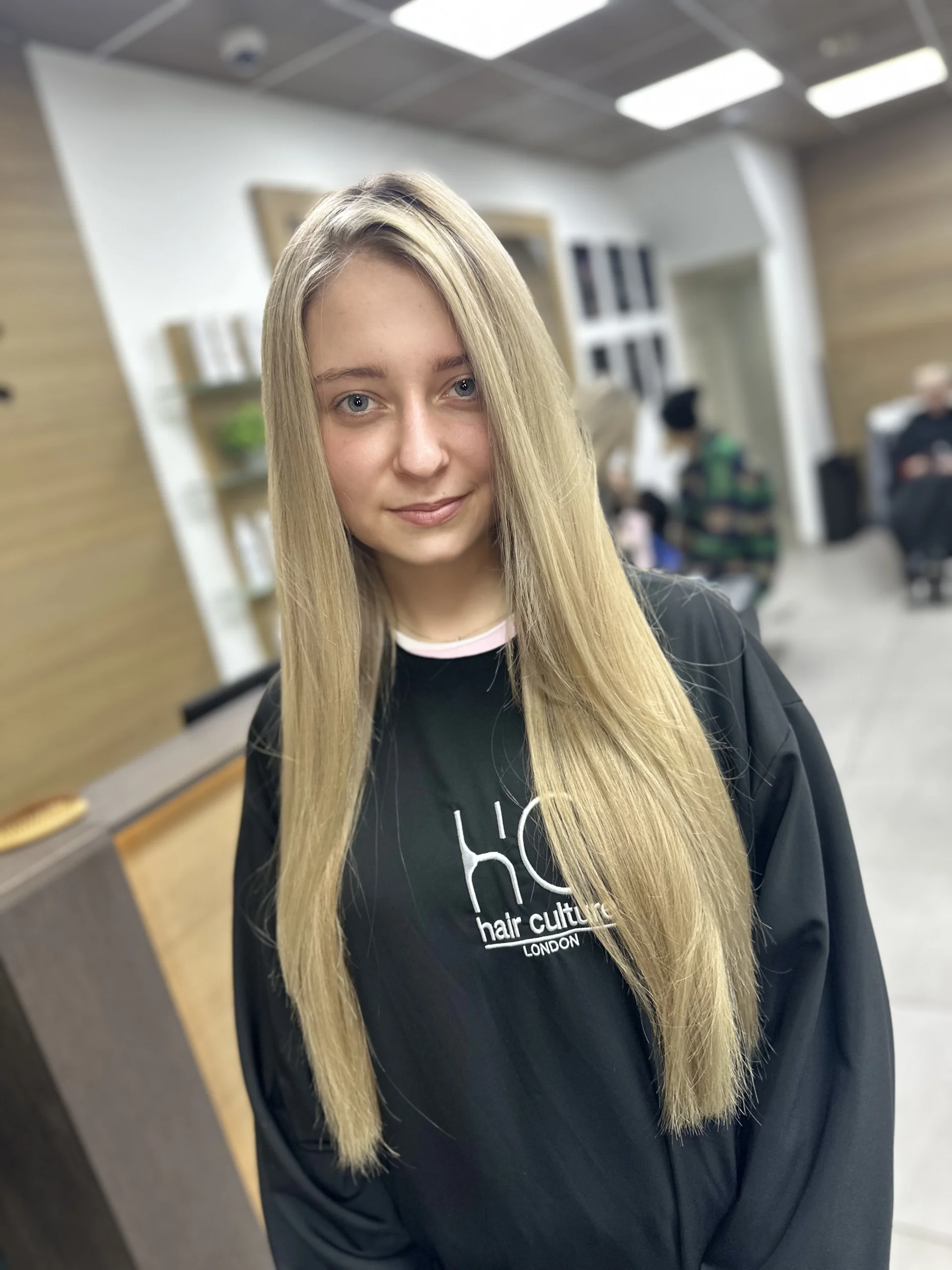
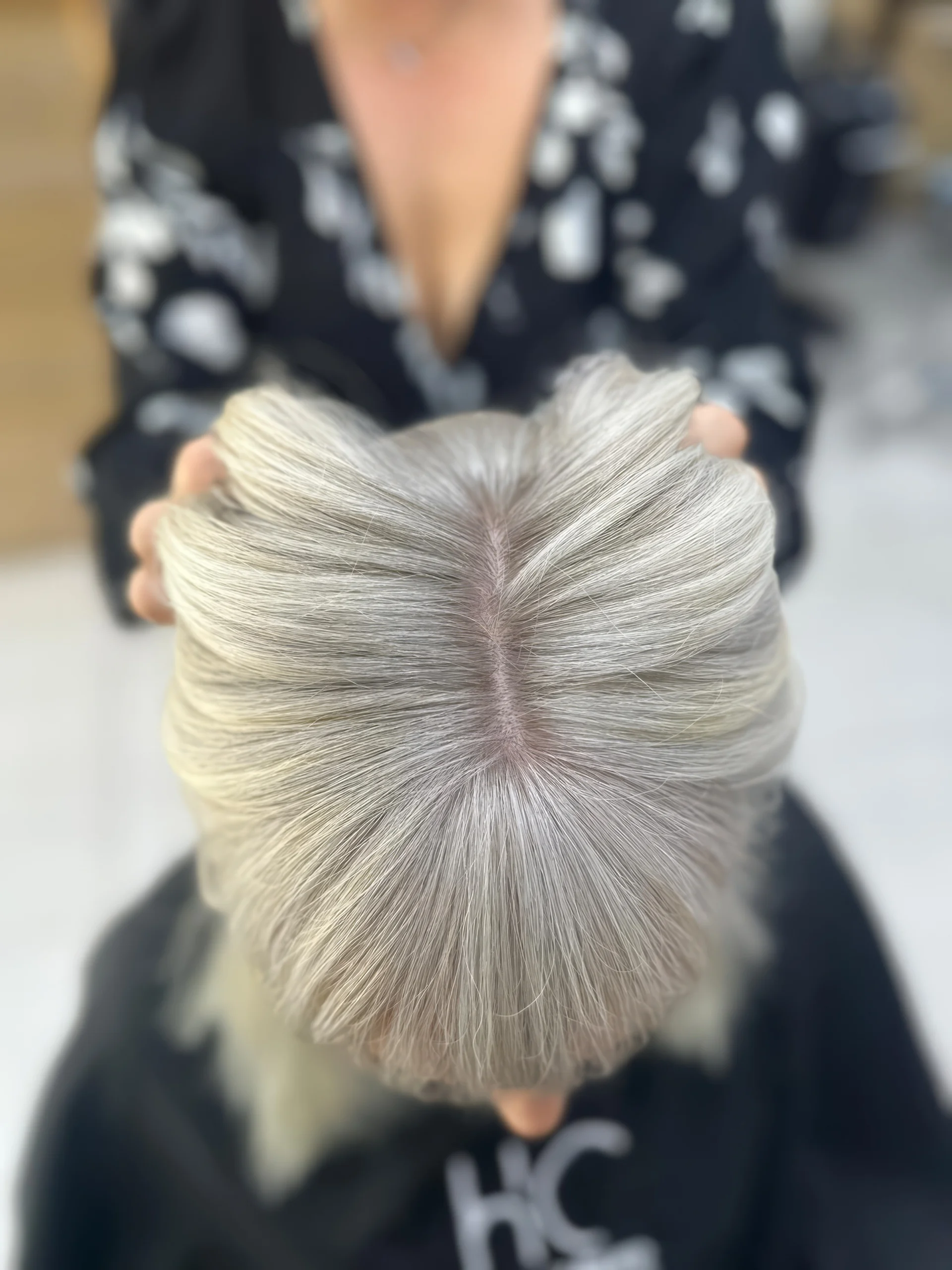
Babylights are ultra-fine highlights created by taking very small strands of hair and placing them close together. This technique aims to copy the soft, natural brightness seen in children’s hair. Because the sections are tiny, the colour blends smoothly into the natural base. There are no sharp lines, and the blonde looks clean and even.
This method takes longer than classic highlights because the stylist prepares many more foils. The result is a refined, natural-looking blonde that brightens the hair without leaving visible streaks. Babylights suit clients who want a soft finish, a gentle grow-out and a polished look that feels expensive without harsh contrast.
Babylights – Look and Results
A soft and natural blonde with a smooth finish
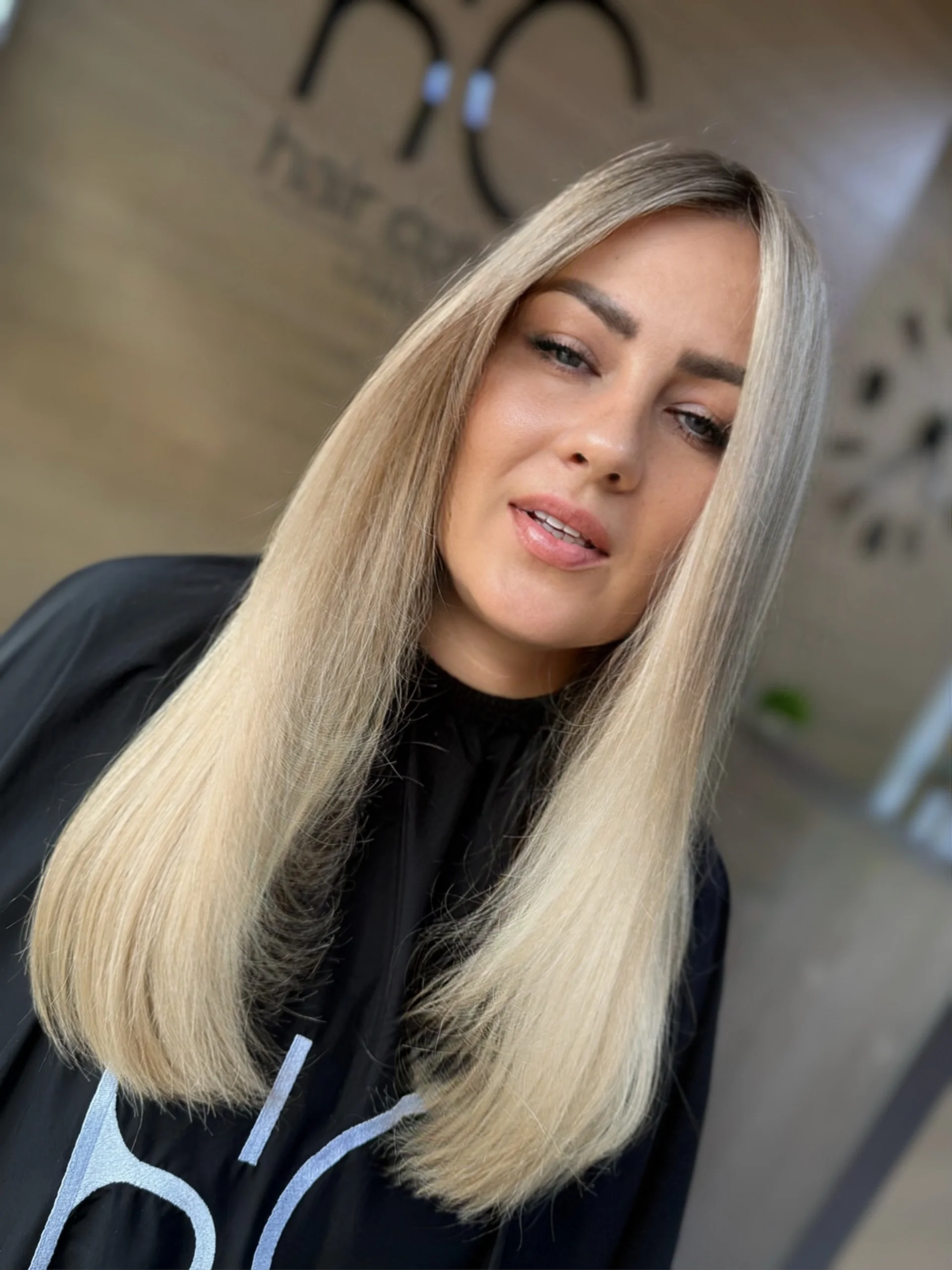
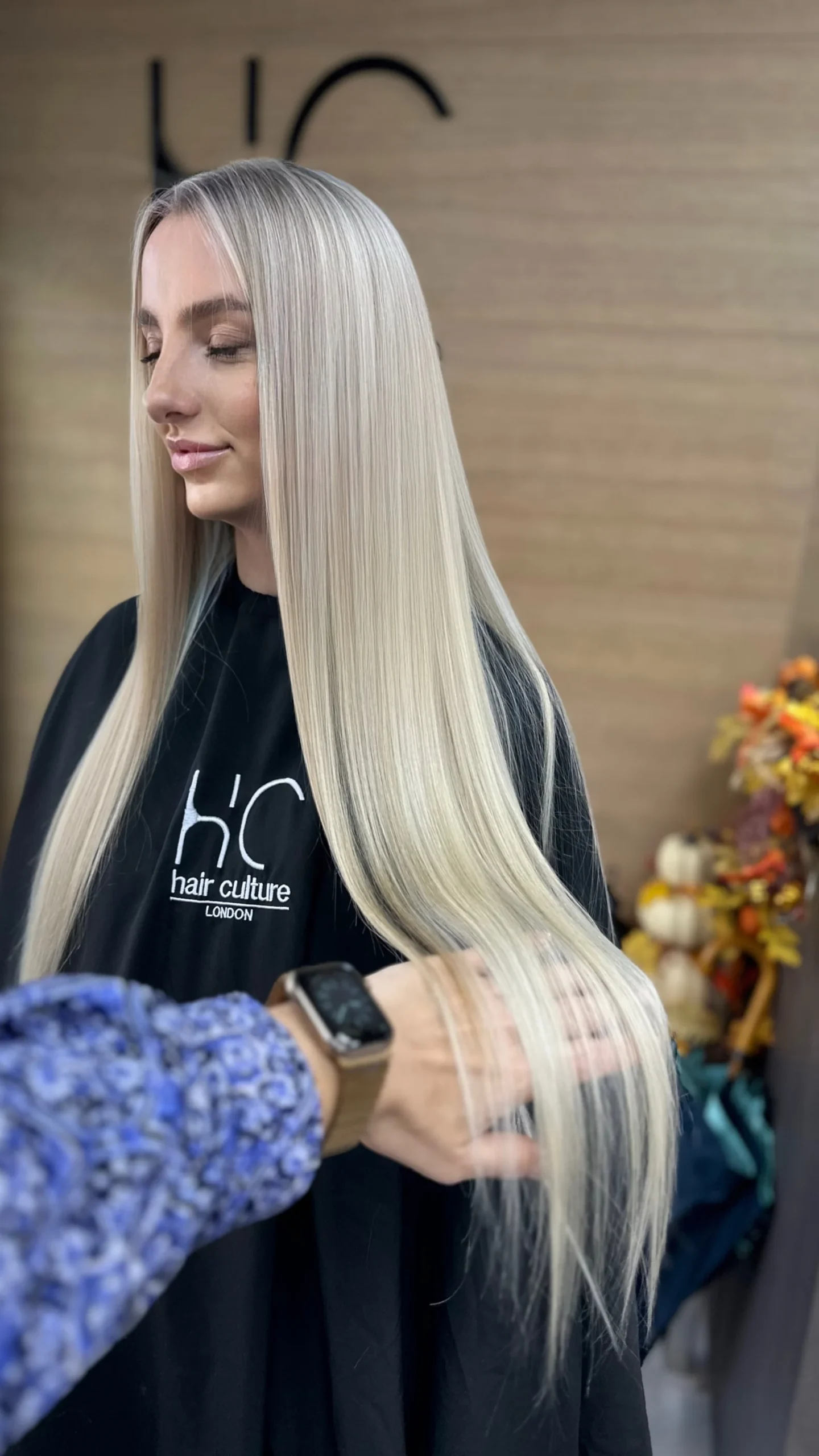
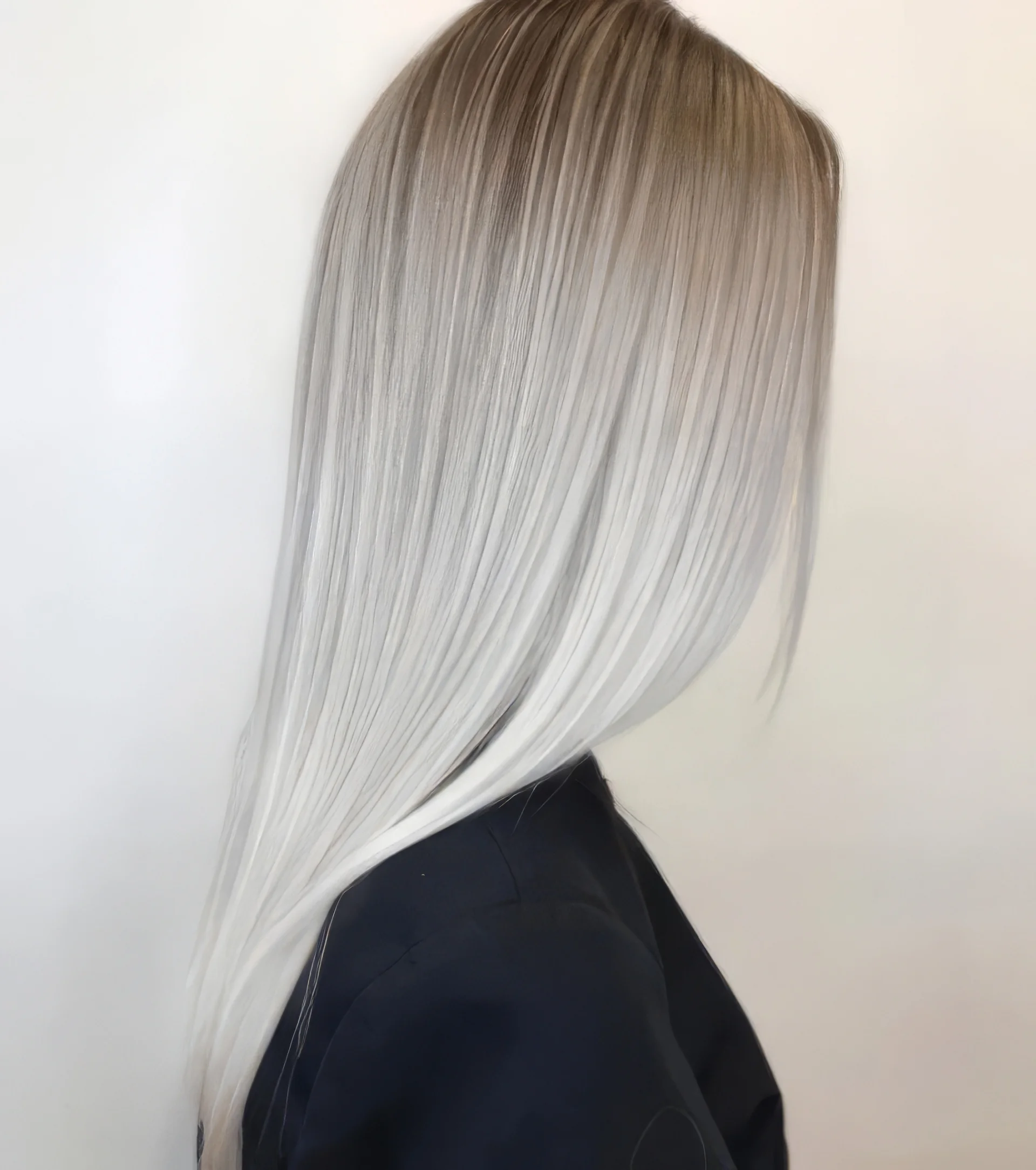
Babylights create a soft, natural-looking blonde with a smooth blend from the roots to the ends. The fine sections make the light pieces almost melt into the natural shade. The brightness looks clean and even, without stripes or bold lines. The overall effect is polished, gentle and modern.
The results are delicate and refined. The colour lifts the hair while keeping a natural feel. Because the strands are so small, the grow-out stays smooth for a long time. Many clients feel their hair looks fresh for far longer than with classic highlights. The blonde appears soft, bright and balanced.
Babylights suit clients who want a subtle blonde with no harsh contrast. They are ideal for blondes who want extra brightness, light brunettes who prefer natural changes, and anyone who dislikes visible streaks or sharp regrowth. This technique fits busy clients who want a clean look without frequent visits.
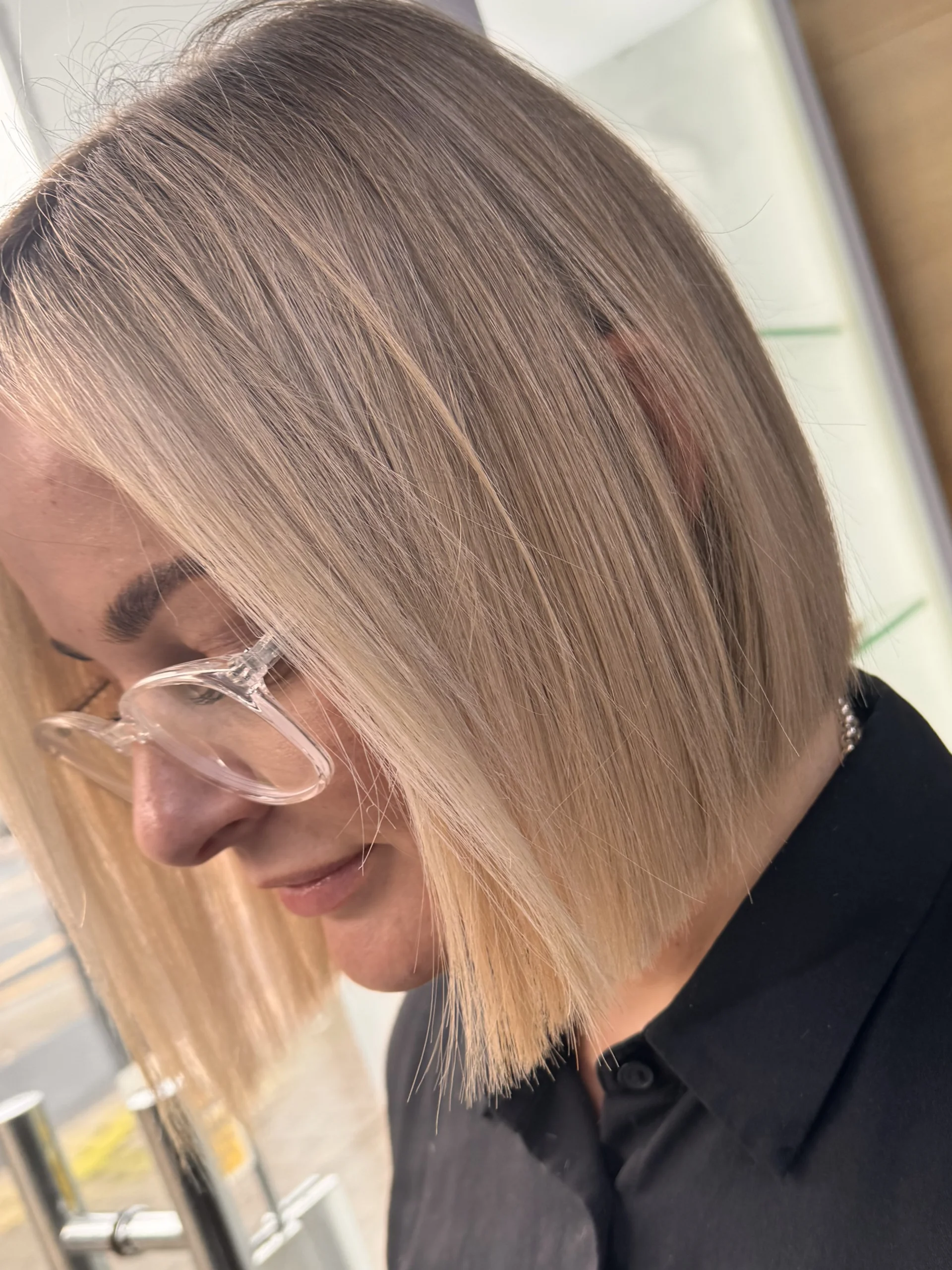
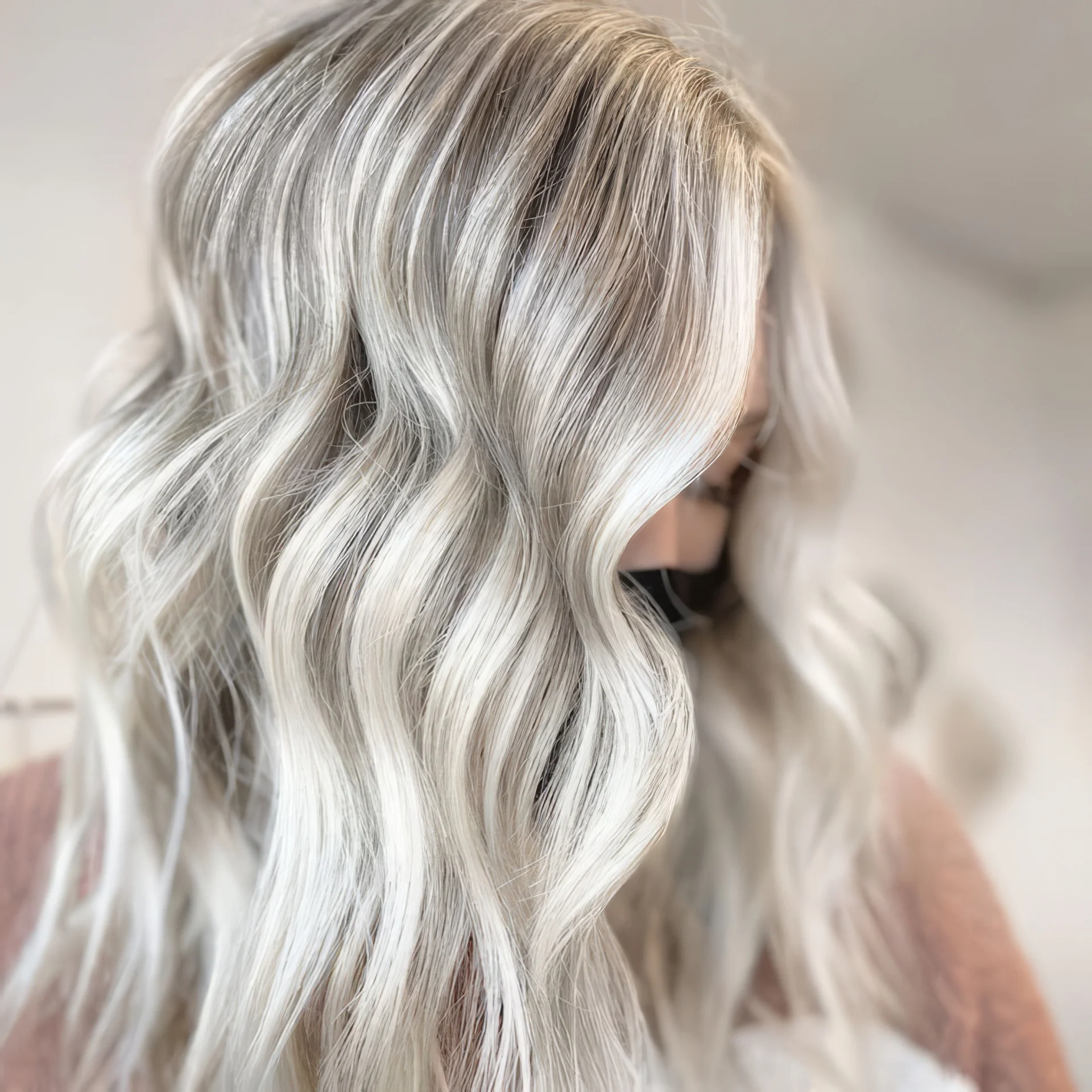
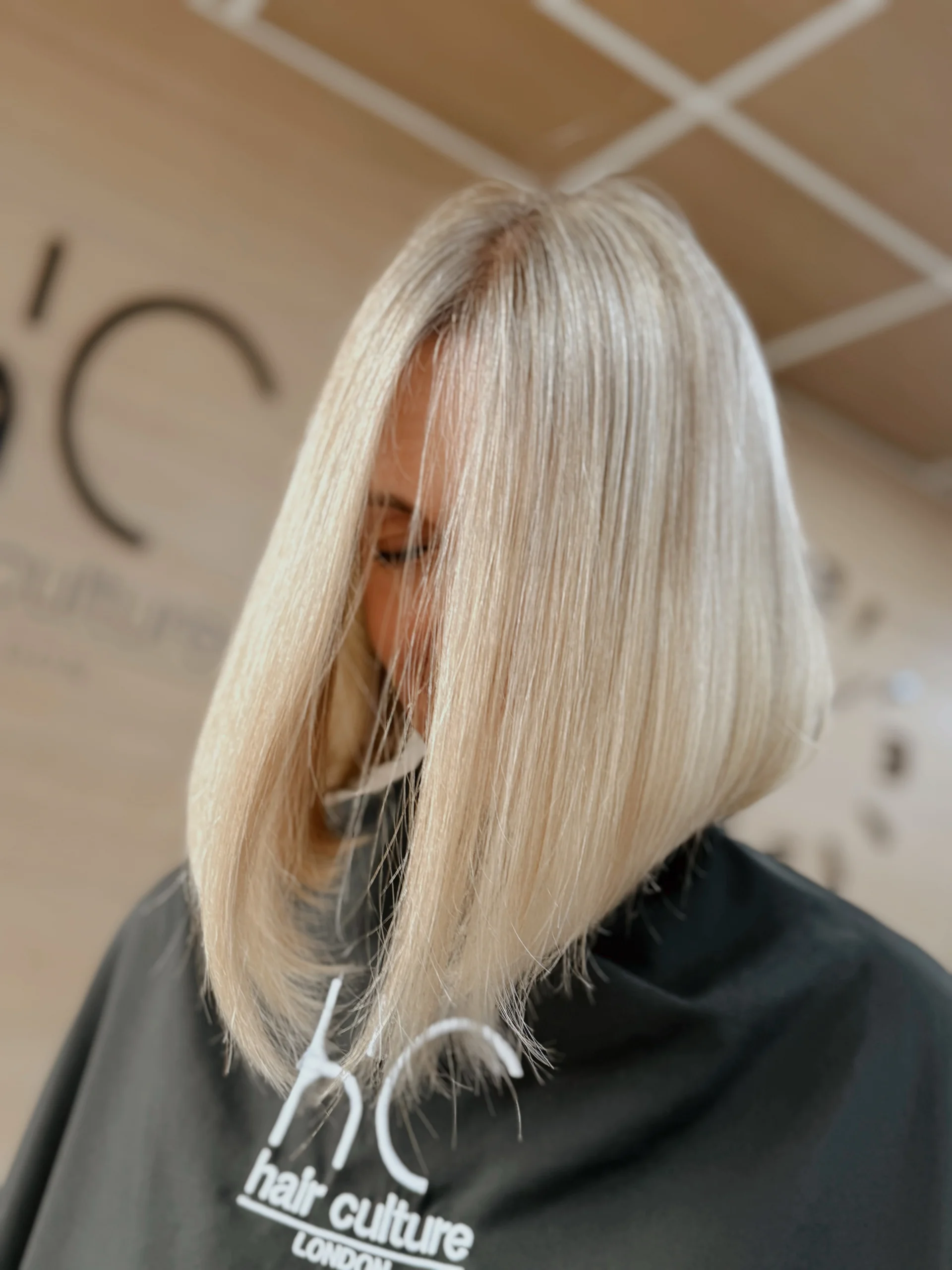
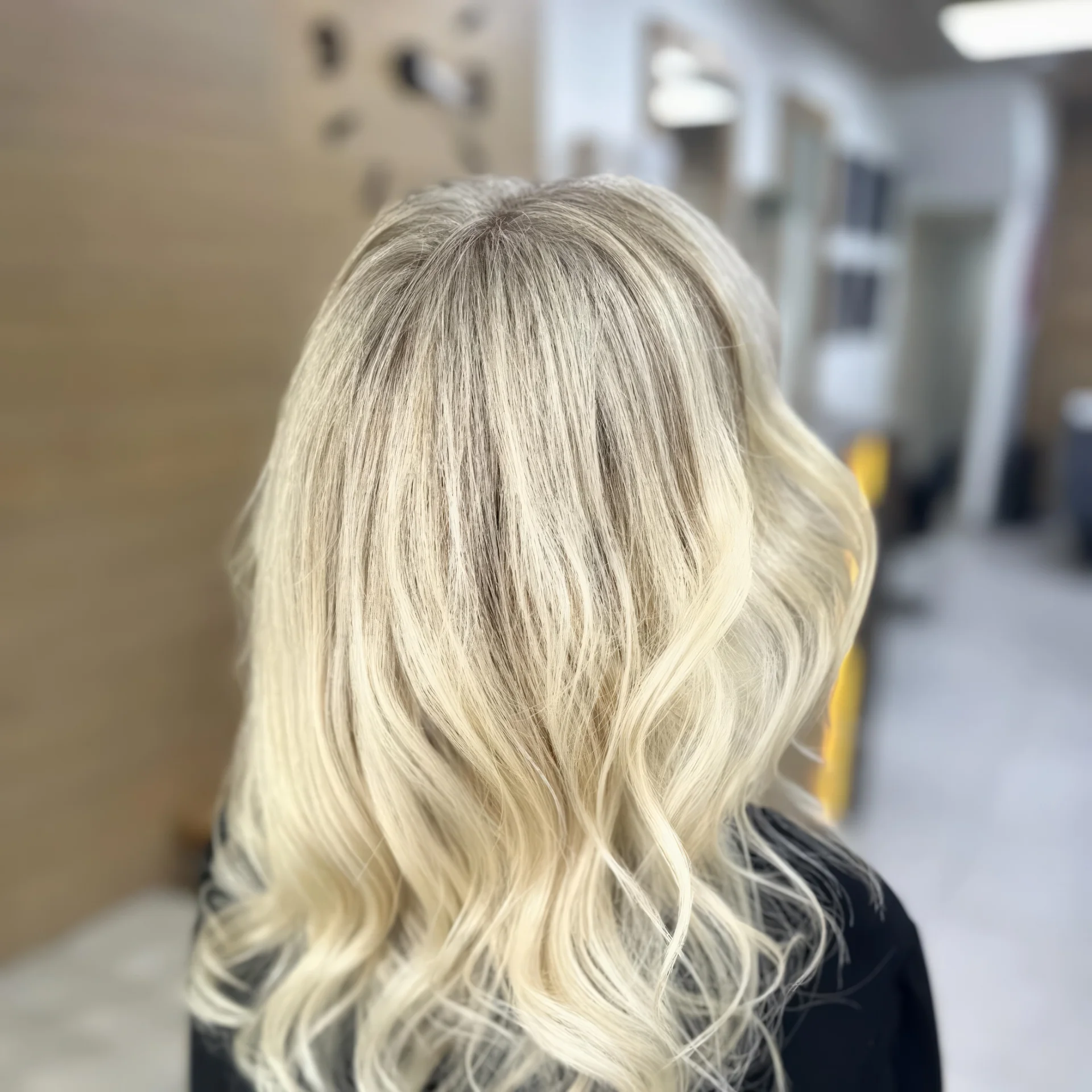
Soft Finish
Babylights create a gentle blonde with a smooth and natural appearance.
Clean Results
The colour blends evenly, giving a fresh and polished look.
Slow Grow-Out
Fine placement keeps the roots soft and less noticeable over time.
Perfect for Subtle Style
Ideal for clients who want brightness without visible stripes.
Great for Many Hair Types
Works well on blondes and light brunettes who want a modern, low-contrast blonde.
Looking After Babylights
How to keep the colour clean and bright
Babylights need gentle care because the lifted strands are fine and light. A colour-safe shampoo and conditioner keep the blonde clean and help stop early fading. Good options include the Hair Culture Colour Safe Shampoo and Conditioner from our online shop. A weekly mask, such as the Hair Culture Repair Mask, adds moisture and supports the hair after lightening.
Because the sections are small, they can dry out faster if you use heat often. Always apply heat protection before drying or styling. A leave-in spray or hydration spray helps keep the hair soft and easier to brush. The Hair Culture Hydration Spray works well for daily use and helps reduce breakage.
Babylights grow out softly, but the tone still needs refreshing. Most clients return every ten to fourteen weeks for a lightening refresh and every six to eight weeks for toner. This keeps the colour clean and stops brassiness. A build-up removal service in the salon can help remove minerals from hard water and keep the blonde bright for longer.
How Babylights Differ From Other Techniques
Softer, finer and more natural than other methods
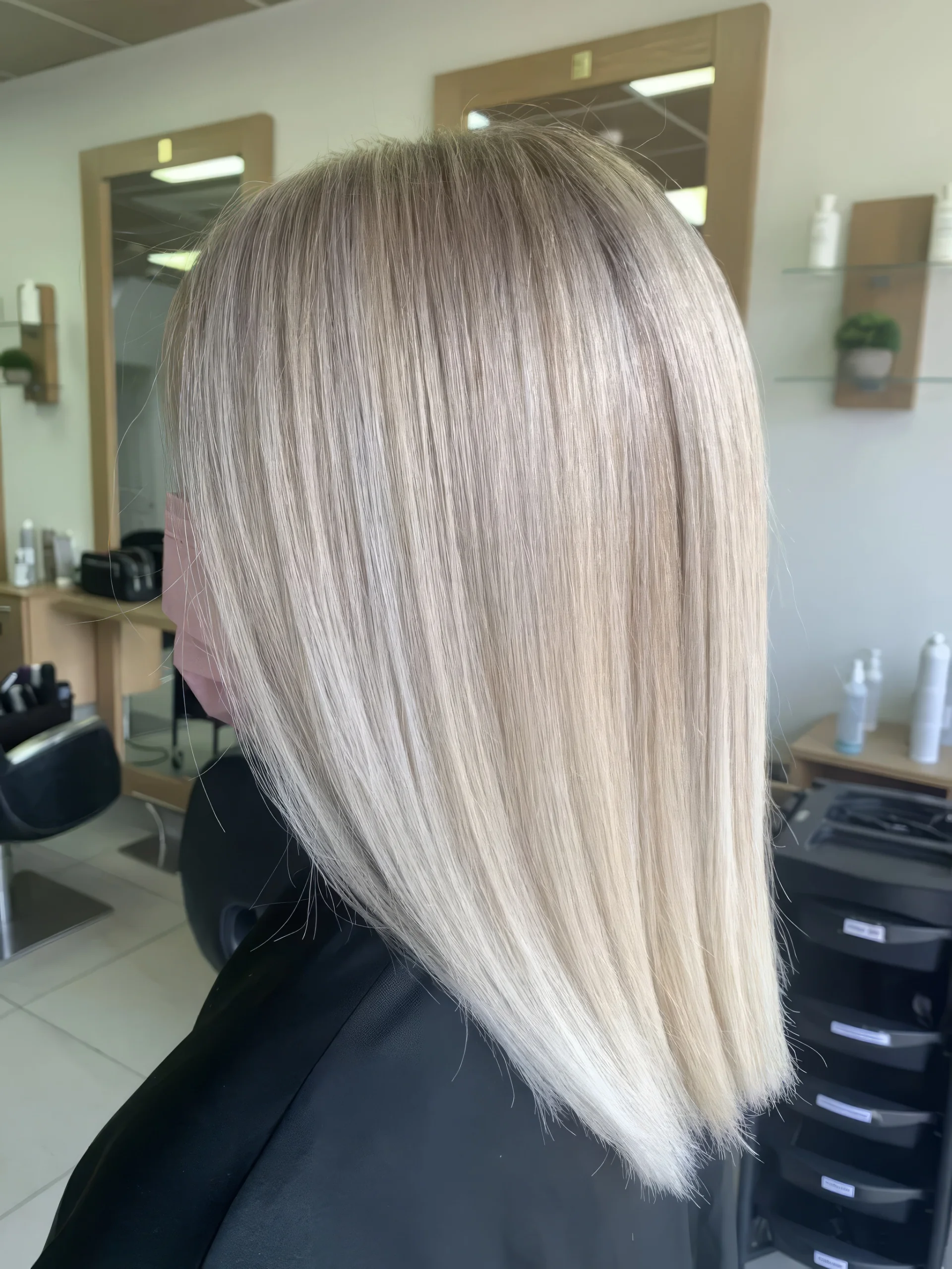
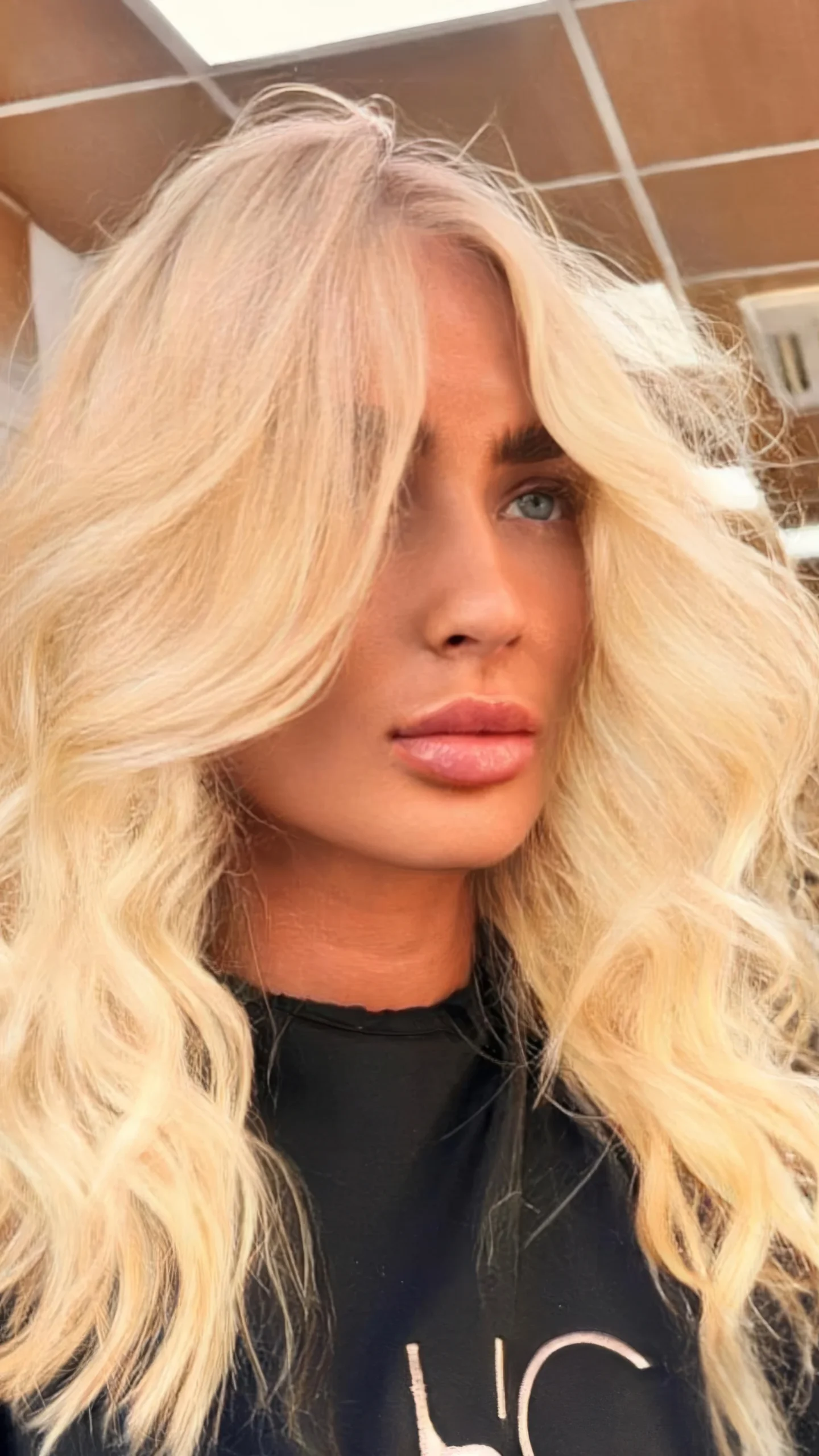
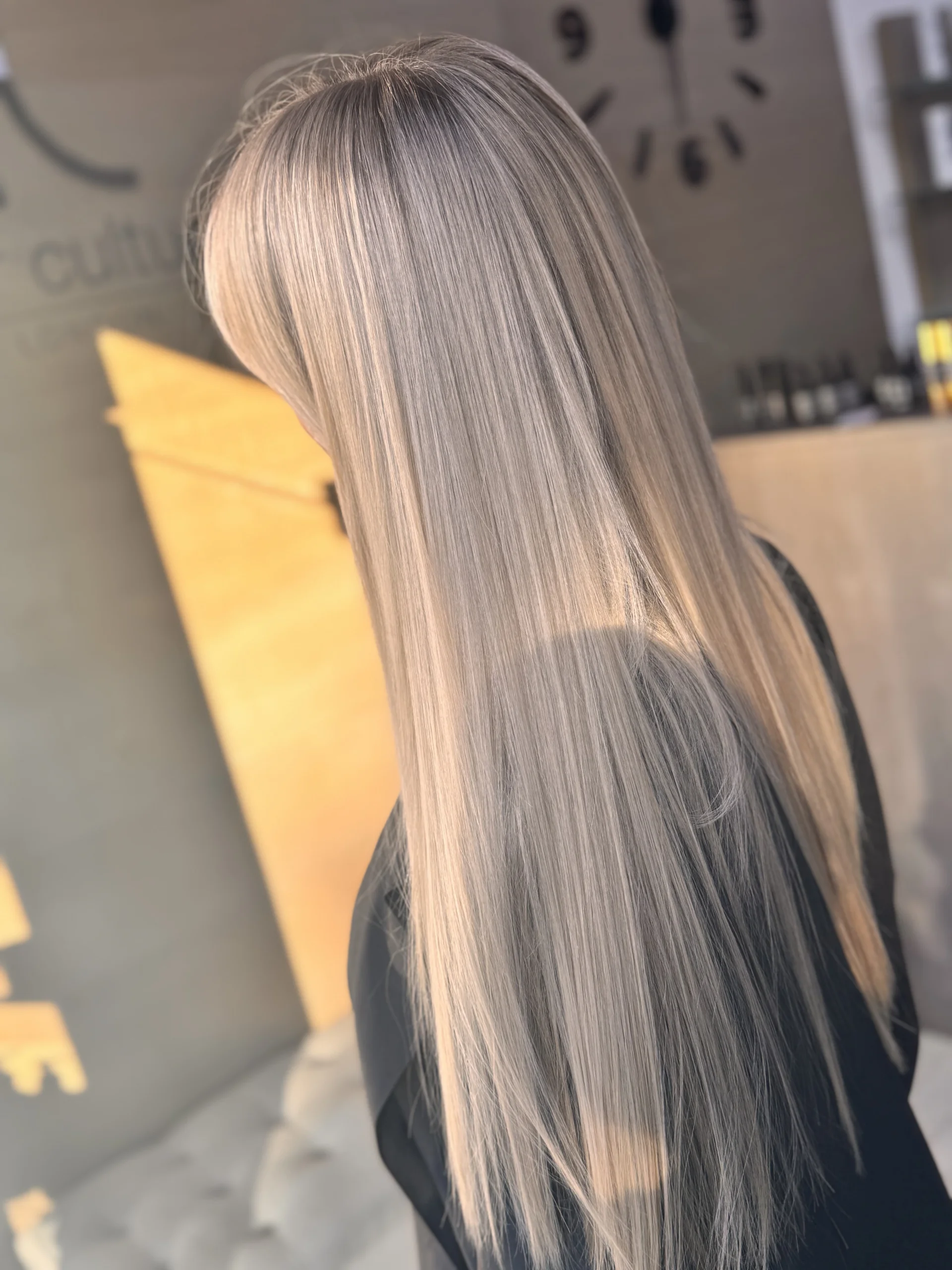
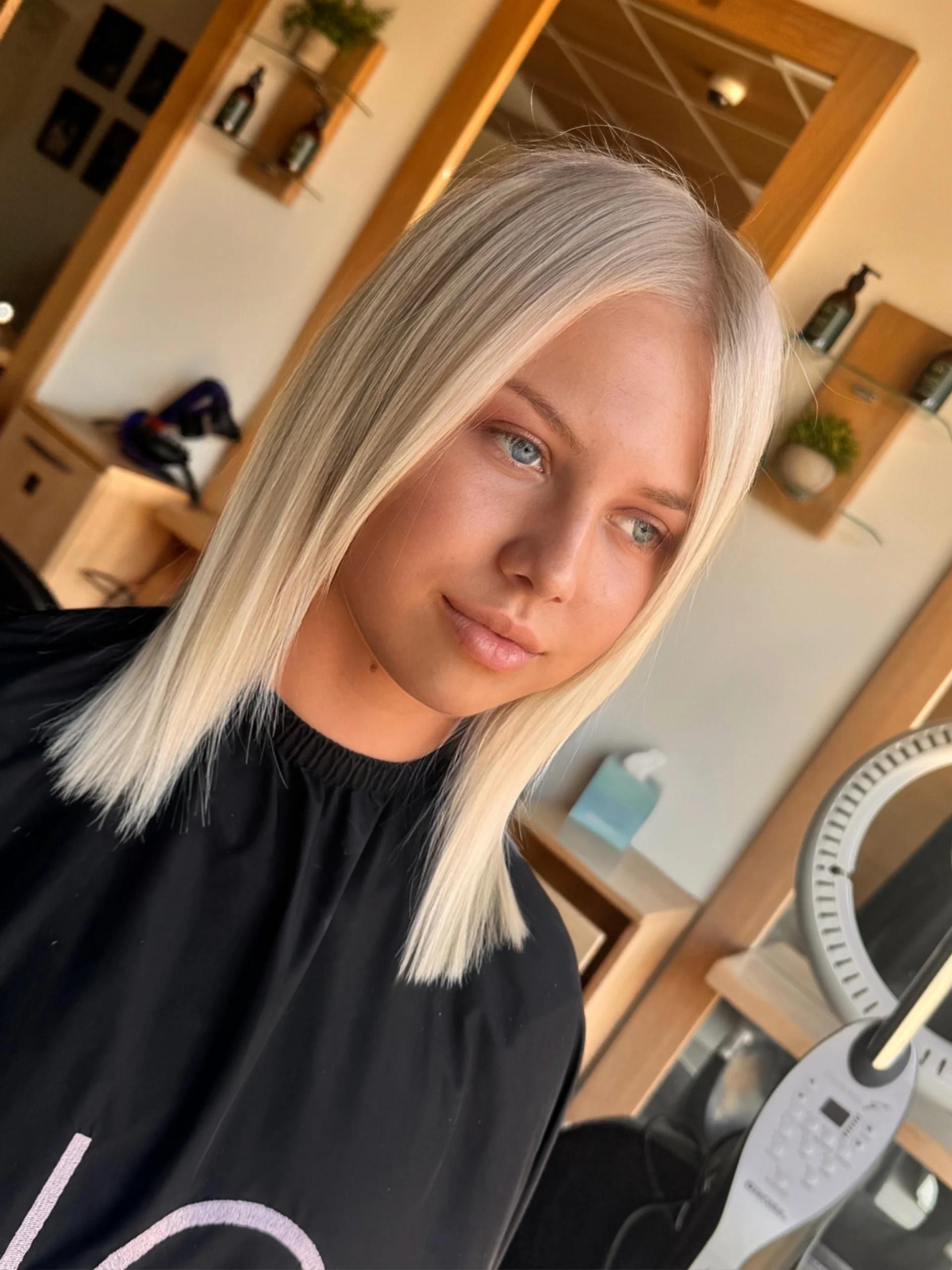

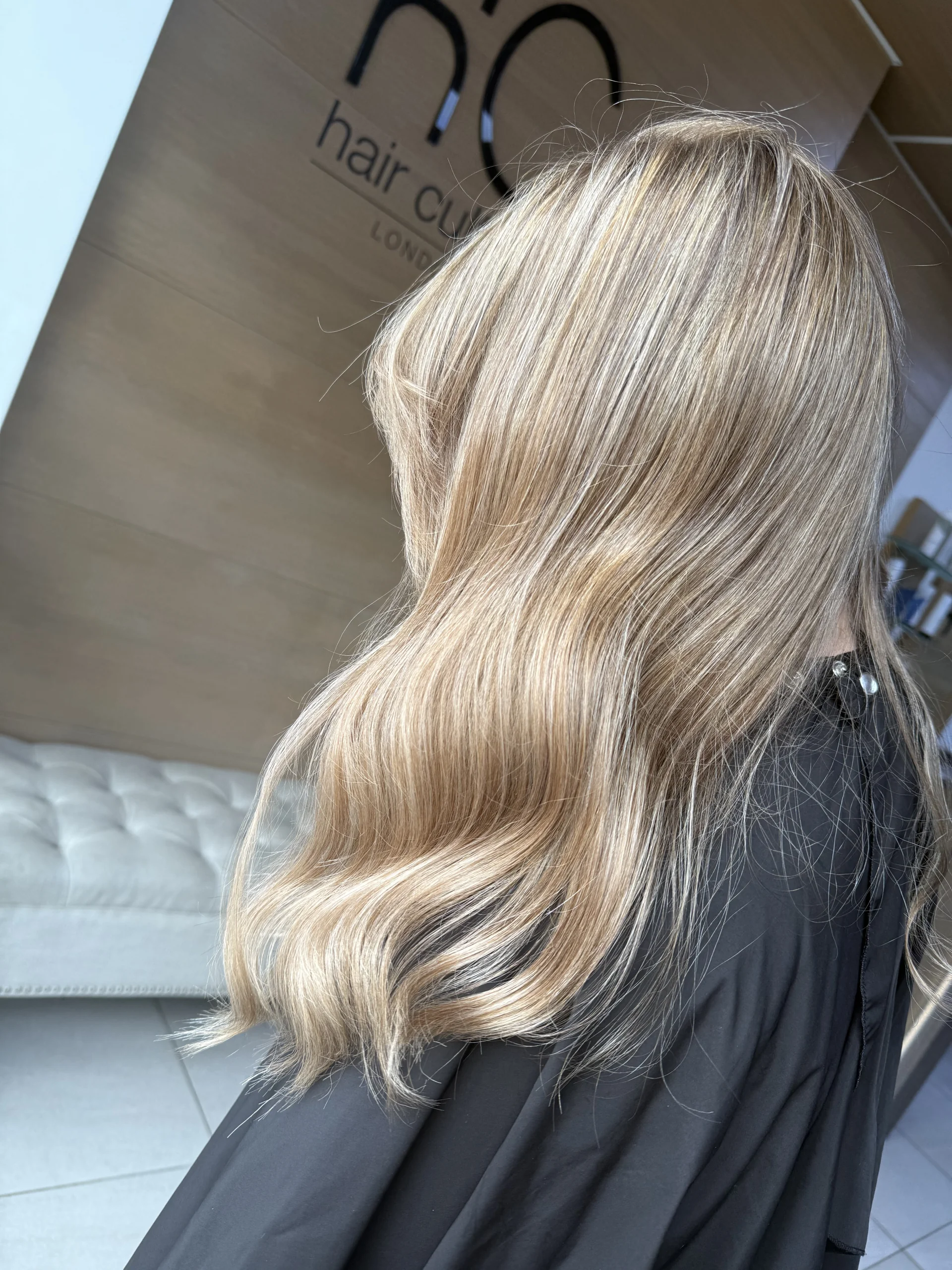
Babylights are different from classic highlights and AirTouch because they use very fine sections placed close together. This creates a blended, natural finish that looks soft from the roots to the ends. Unlike classic highlights, babylights do not leave strong contrast. The strands melt into the natural shade, so there are no visible stripes or heavy patterns.
Compared with AirTouch, babylights offer a similar softness but a different method. AirTouch uses air to separate the strands, while babylights rely on fine sectioning. AirTouch gives a seamless, long-lasting blend, while babylights give a clean, natural blonde with a subtle glow. Both look soft, but babylights are slightly more structured and lighter near the roots.
Babylights are ideal for clients who want a low-contrast blonde, gentle grow-out and a polished finish. The look is natural, modern and easy to maintain because the fine sections help blend the roots for longer.
Softer Than Highlights
Babylights blend more gently and have no strong contrast.
Finer Sections
Tiny strands create a smooth, delicate blonde with clean edges.
Natural Look
The result copies the soft brightness seen in children’s hair.
Slower Regrowth
Fine placement keeps the root line soft and less visible.
Different From AirTouch
AirTouch uses air to separate strands, while babylights rely on fine, close placement.
AirTouch – What It Is
How air creates the softest blend
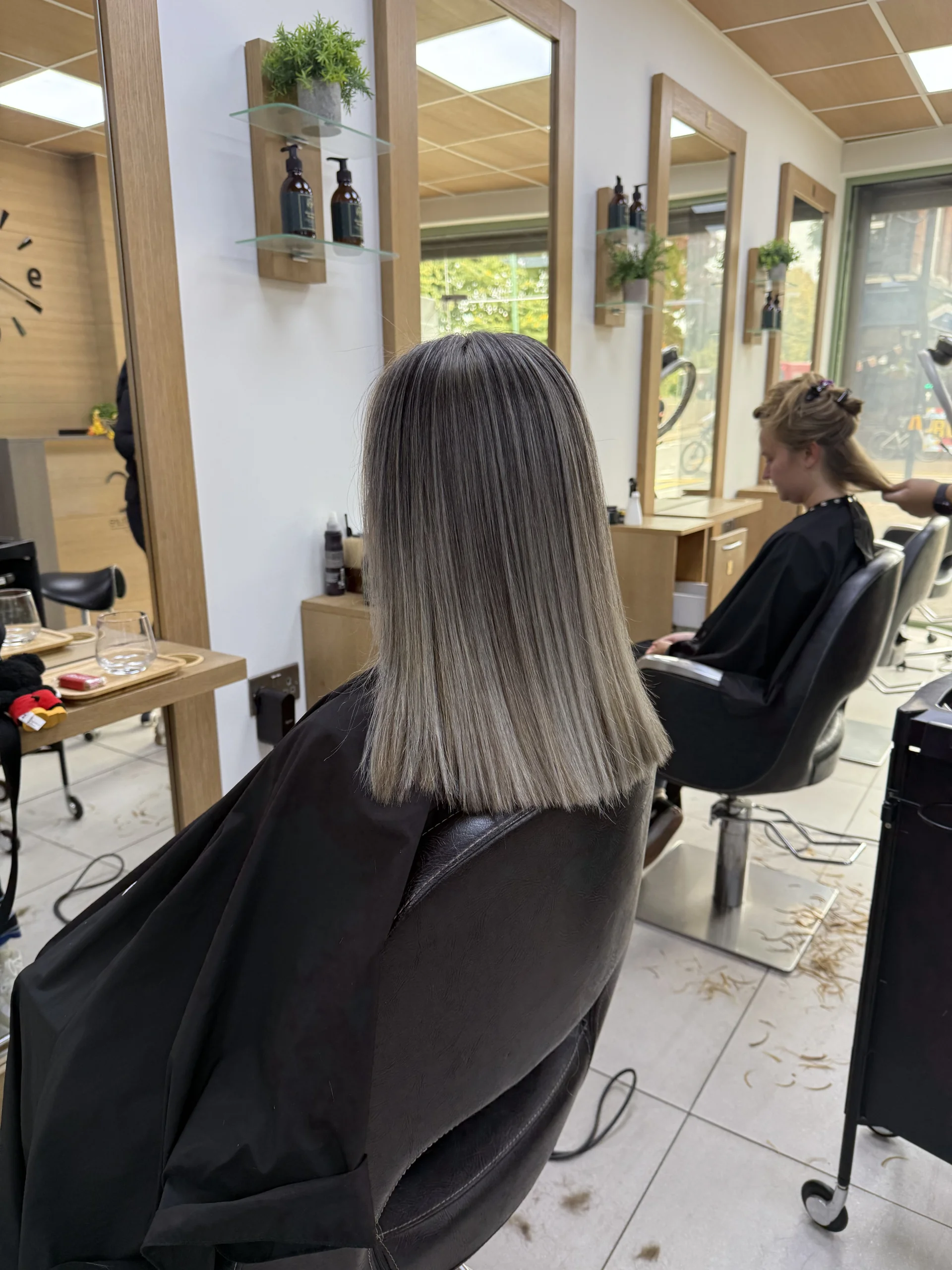
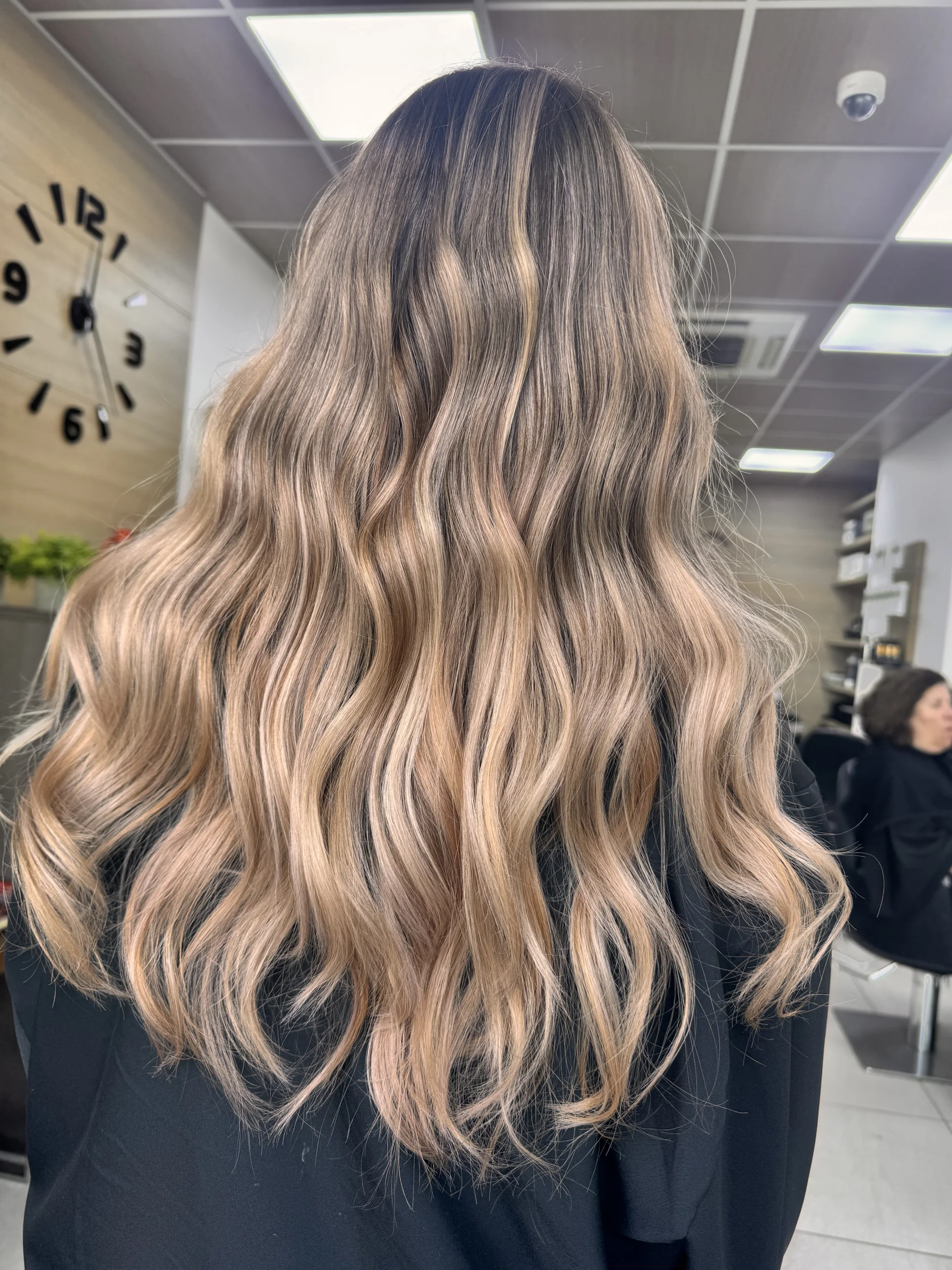
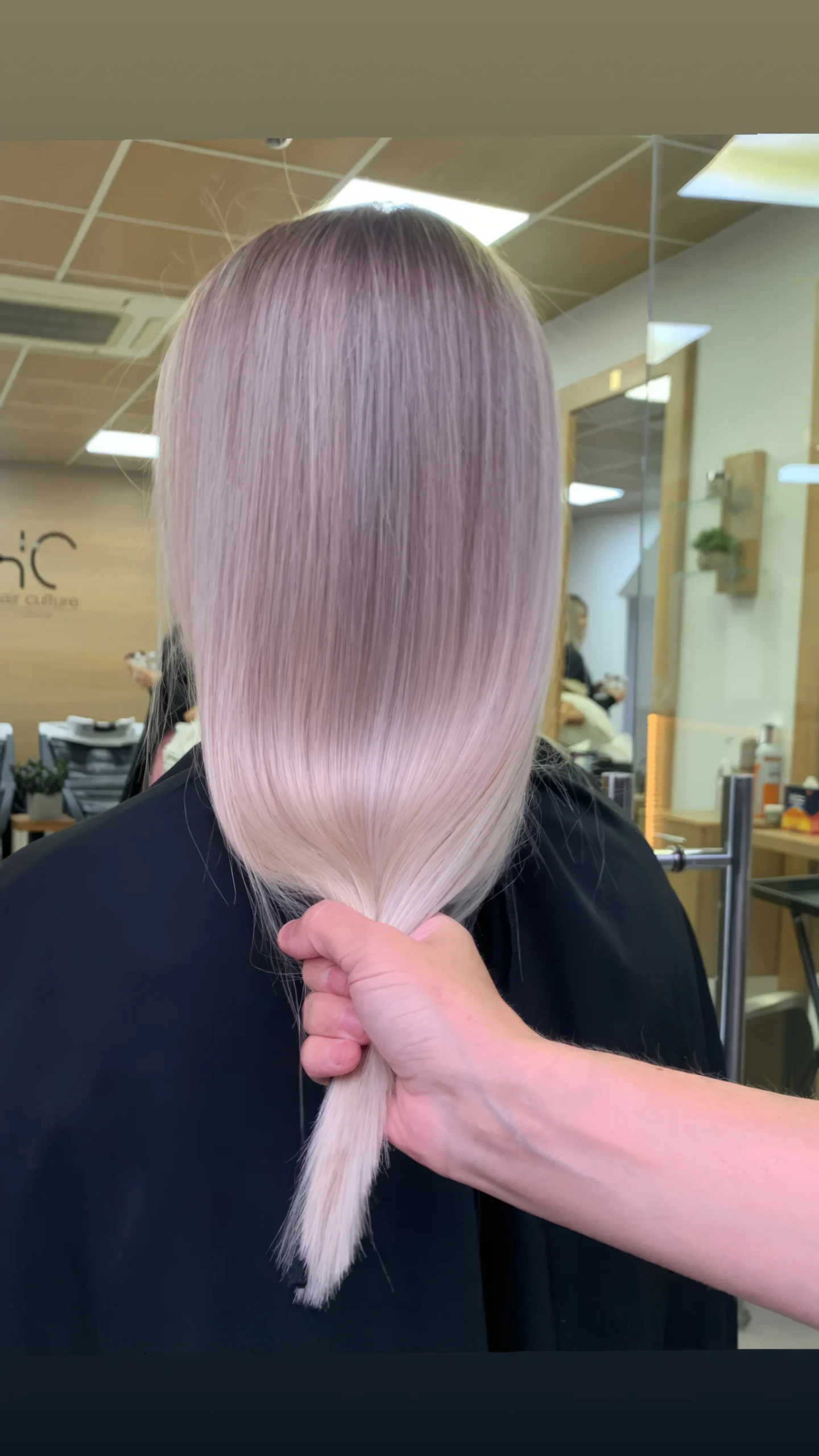
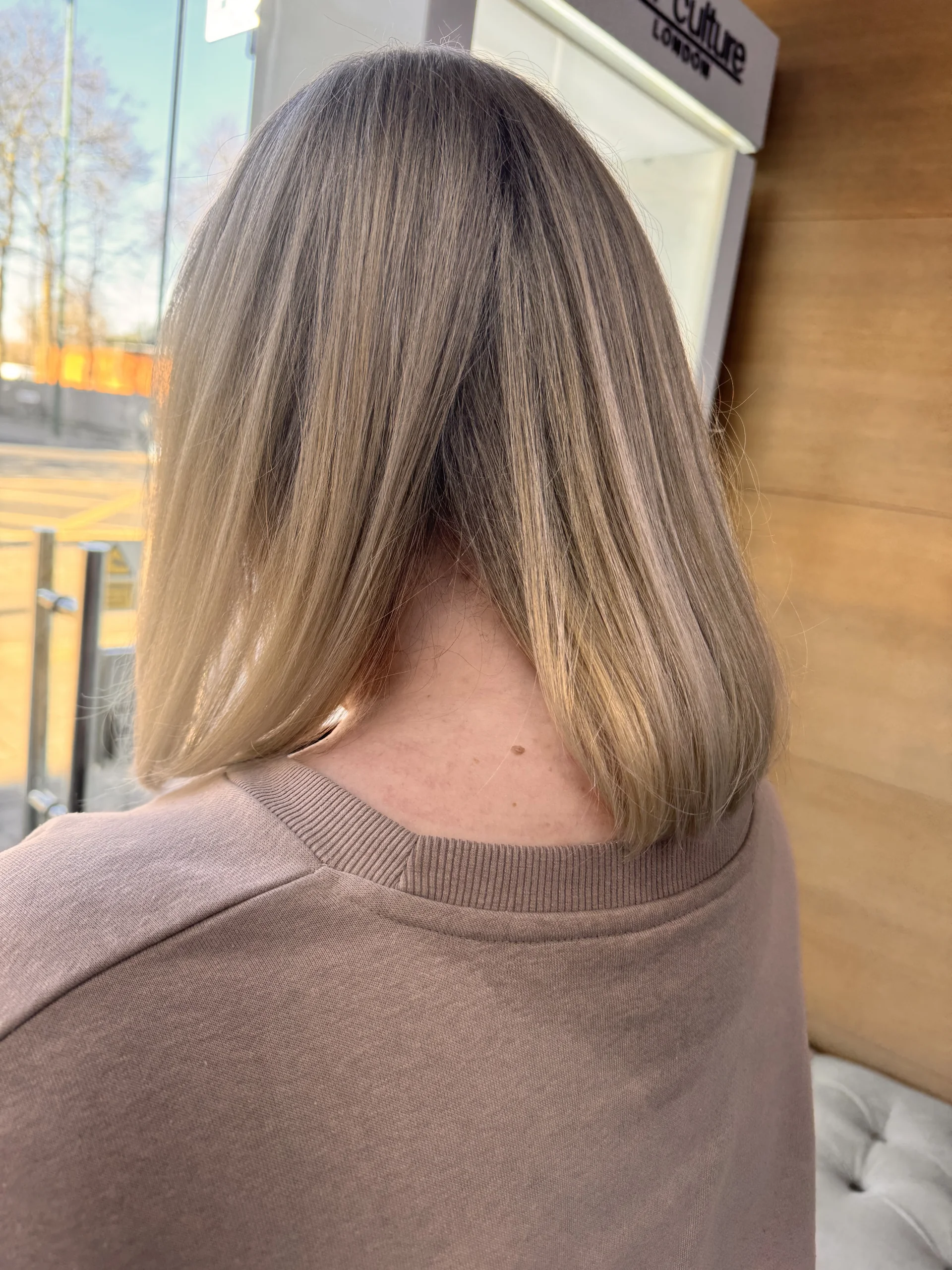

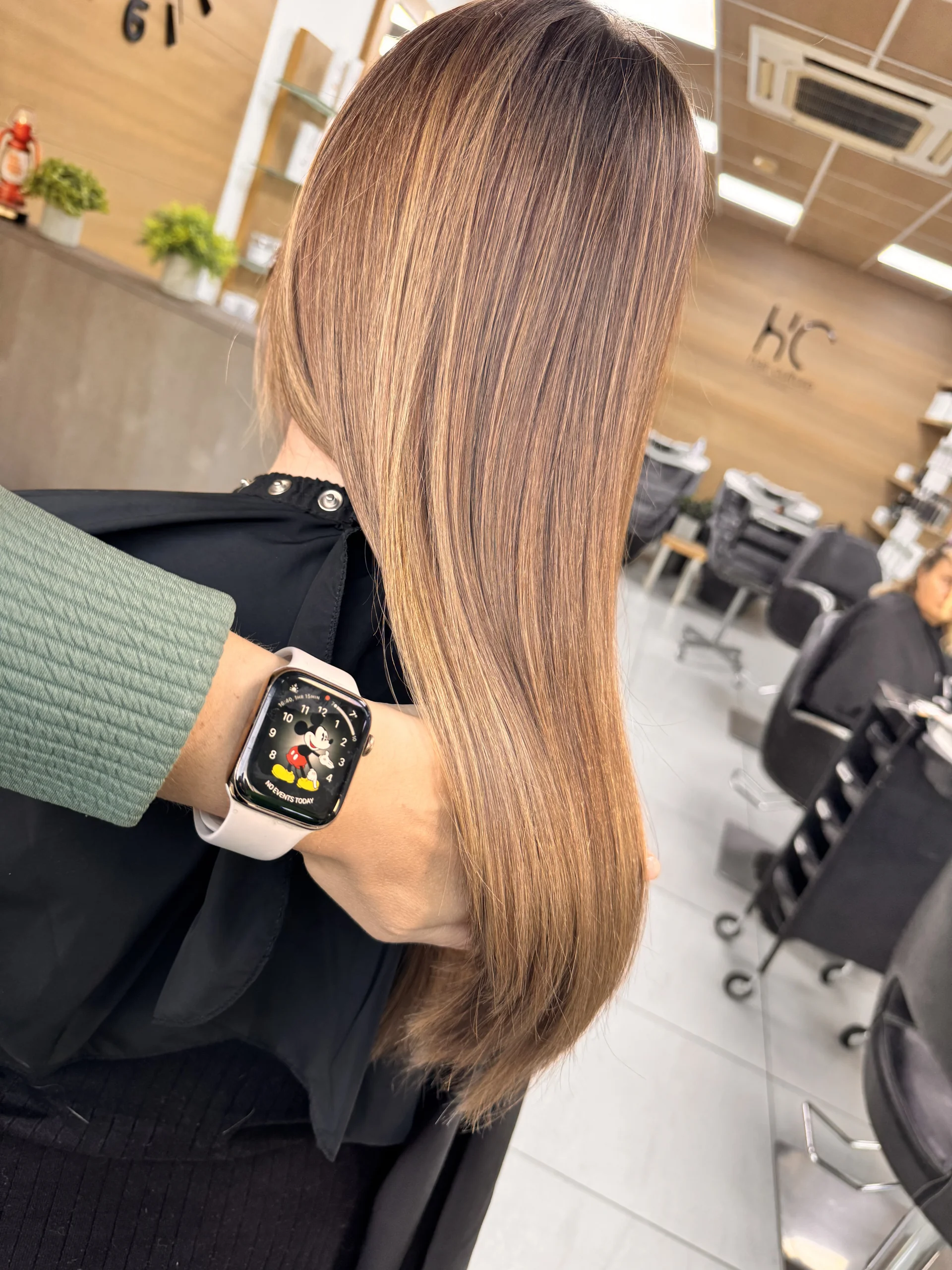

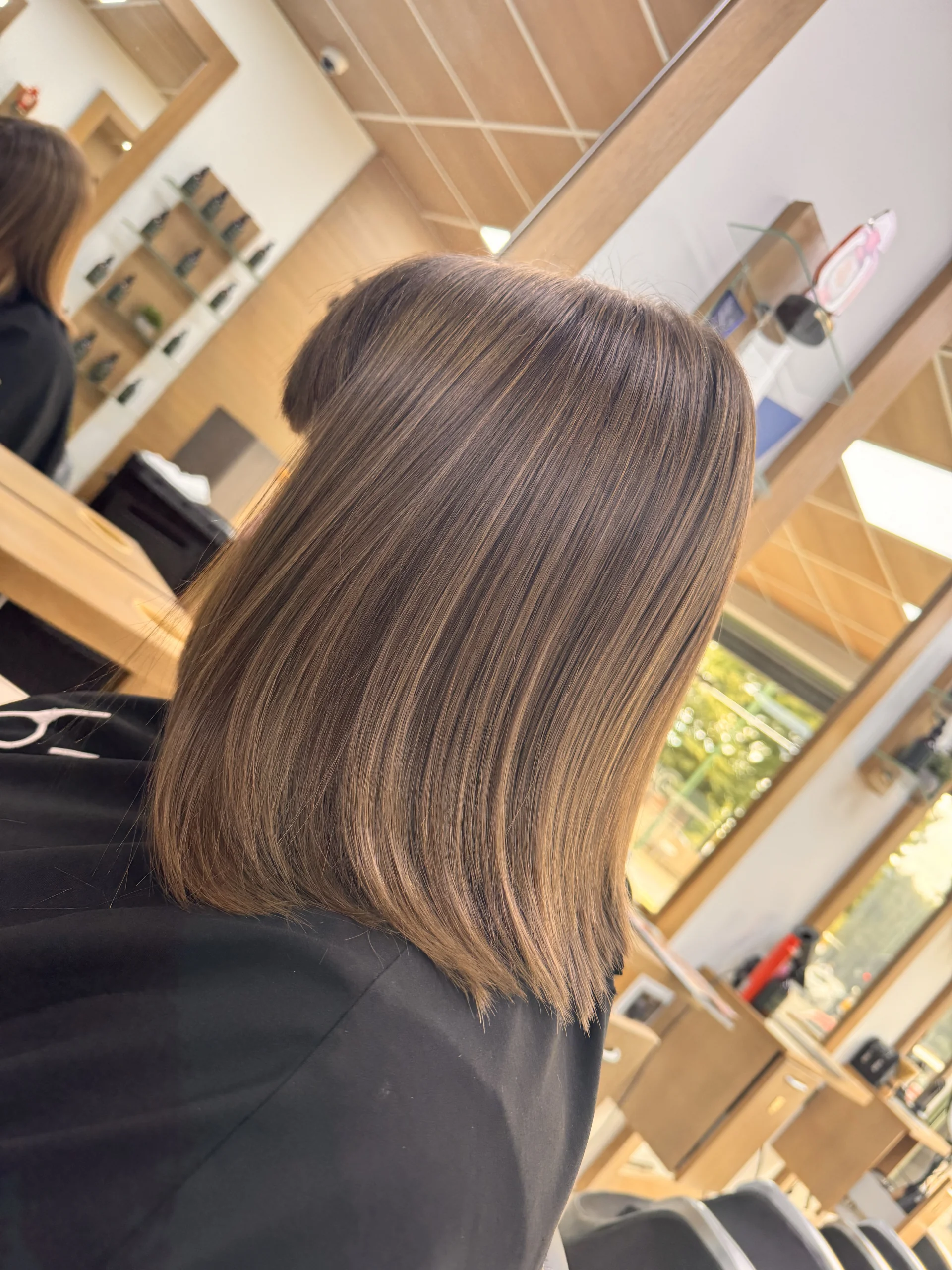
AirTouch is an advanced blonding technique that uses air from a hairdryer to separate the shorter, weaker strands from the longer, stronger ones. Only the strong strands are lightened. This creates a soft, smooth result with no harsh lines at the roots. The hair blends cleanly from dark to light, and the blonde looks refined and modern.
Because the weaker strands are blown out before applying the lightener, the hair stays in better condition. This makes AirTouch a good choice for clients with previous colour, old highlights, or hair that needs a more careful approach. The finished look feels natural and seamless. It also grows out slowly, so clients enjoy their colour for longer.
AirTouch – Look and Results
A smooth, modern blonde with no harsh lines
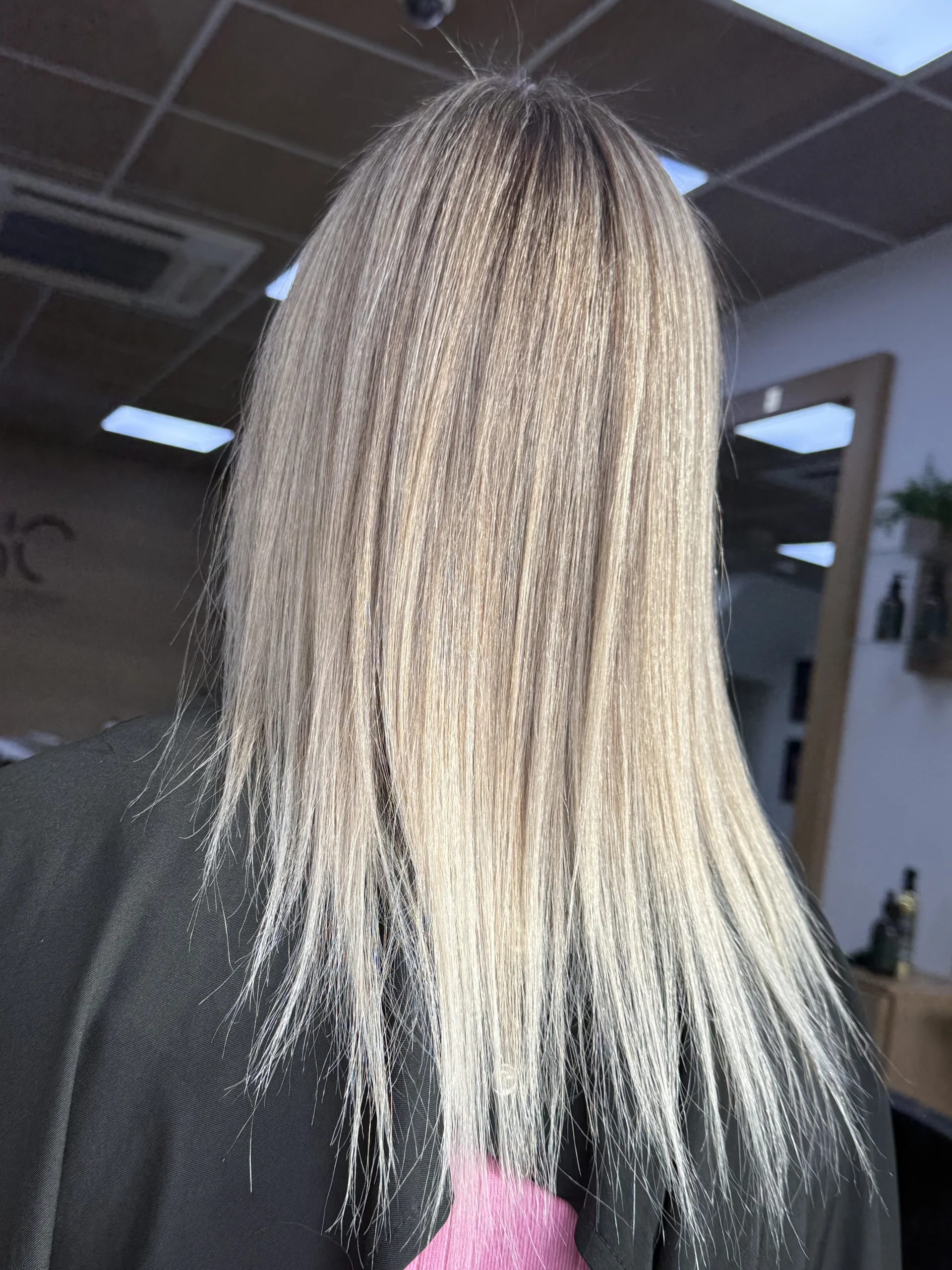
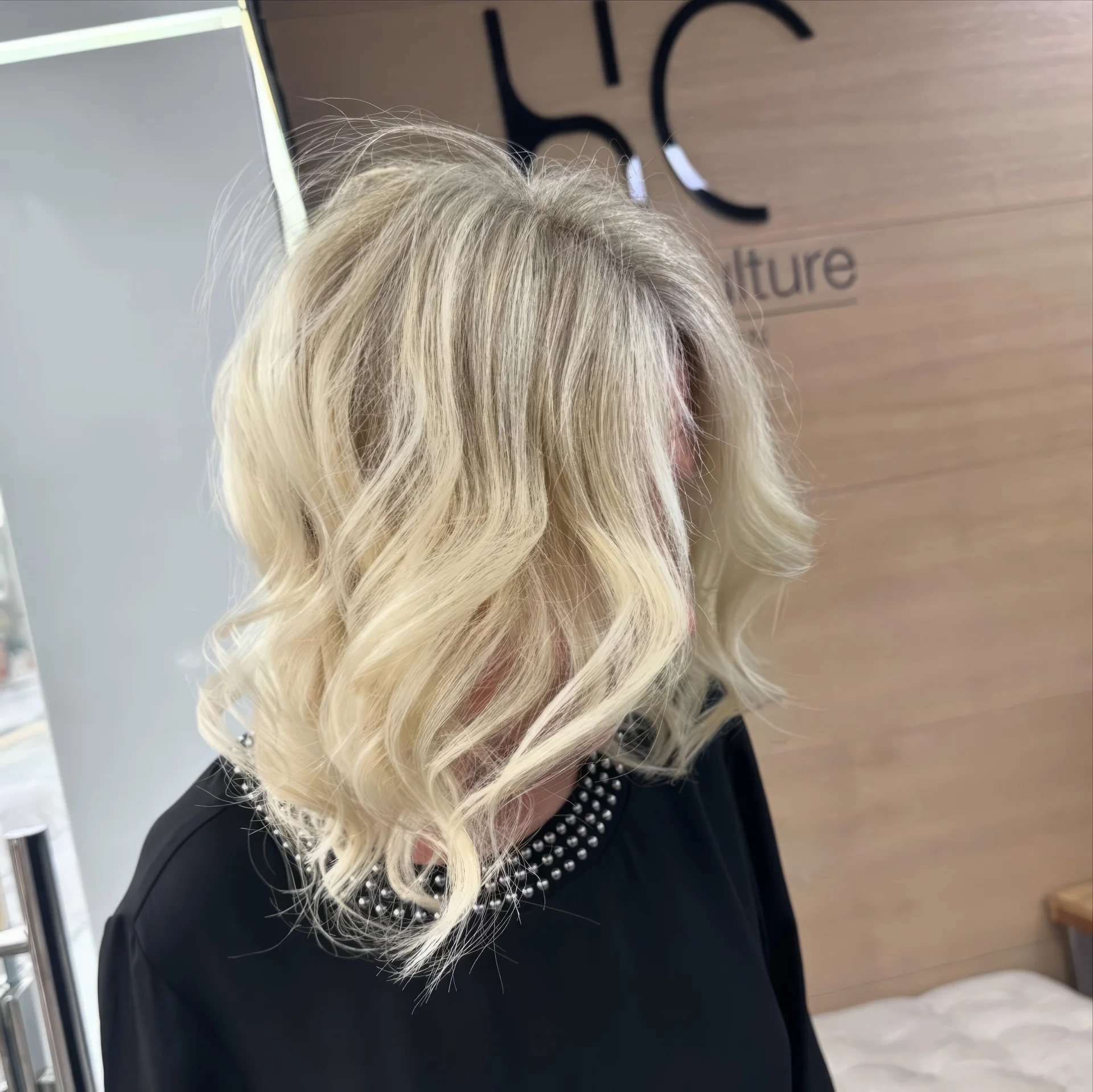
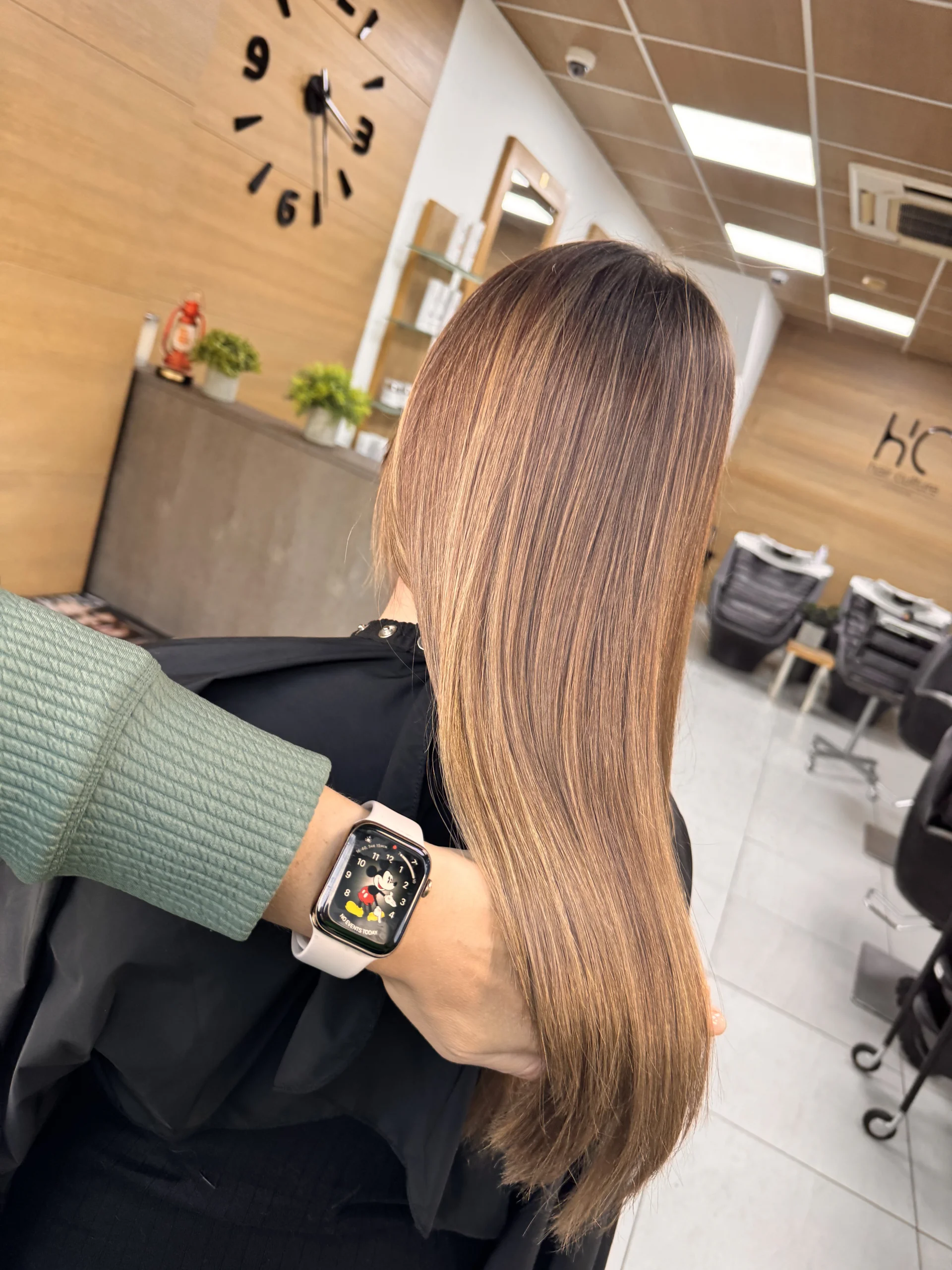
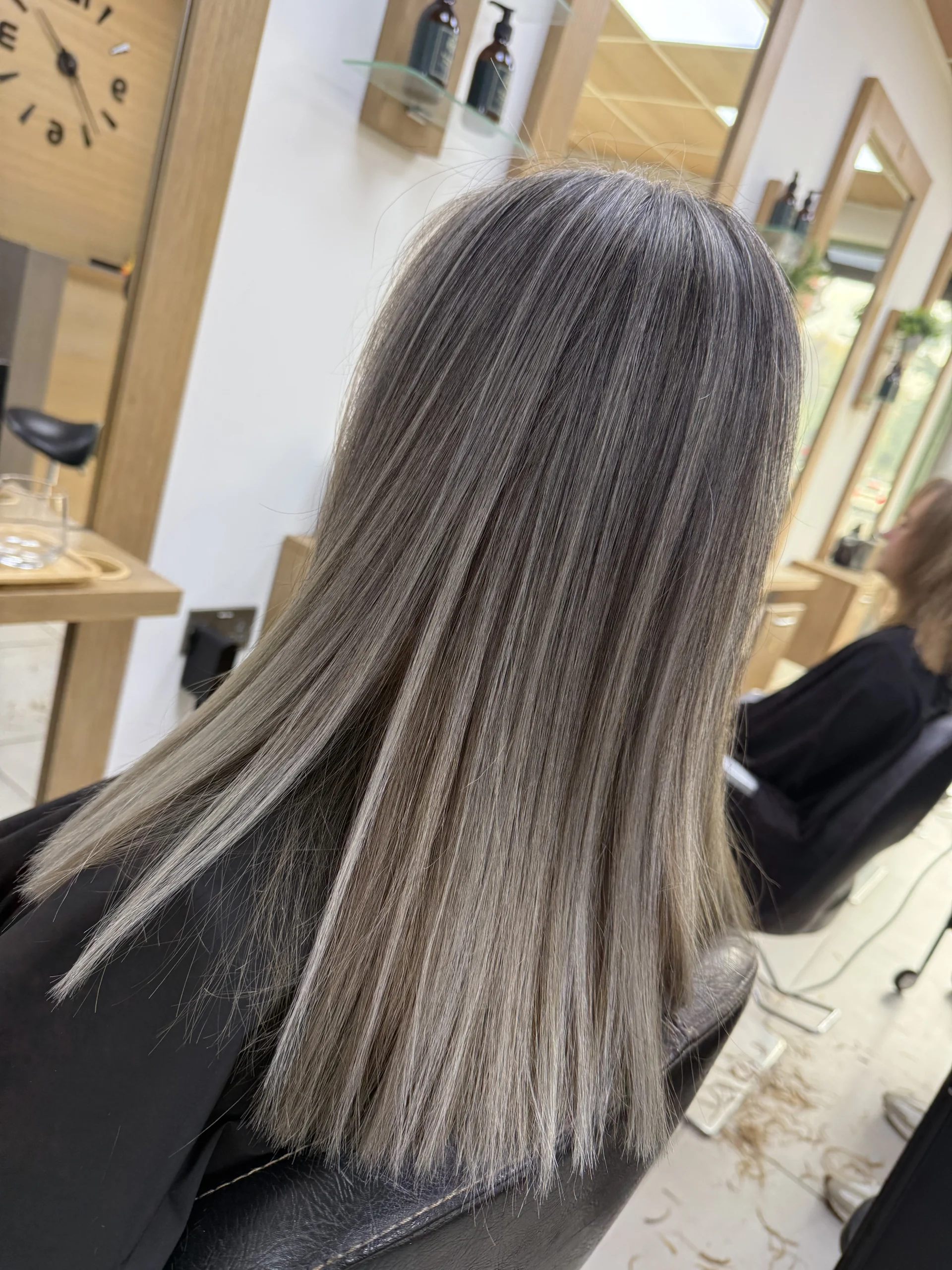
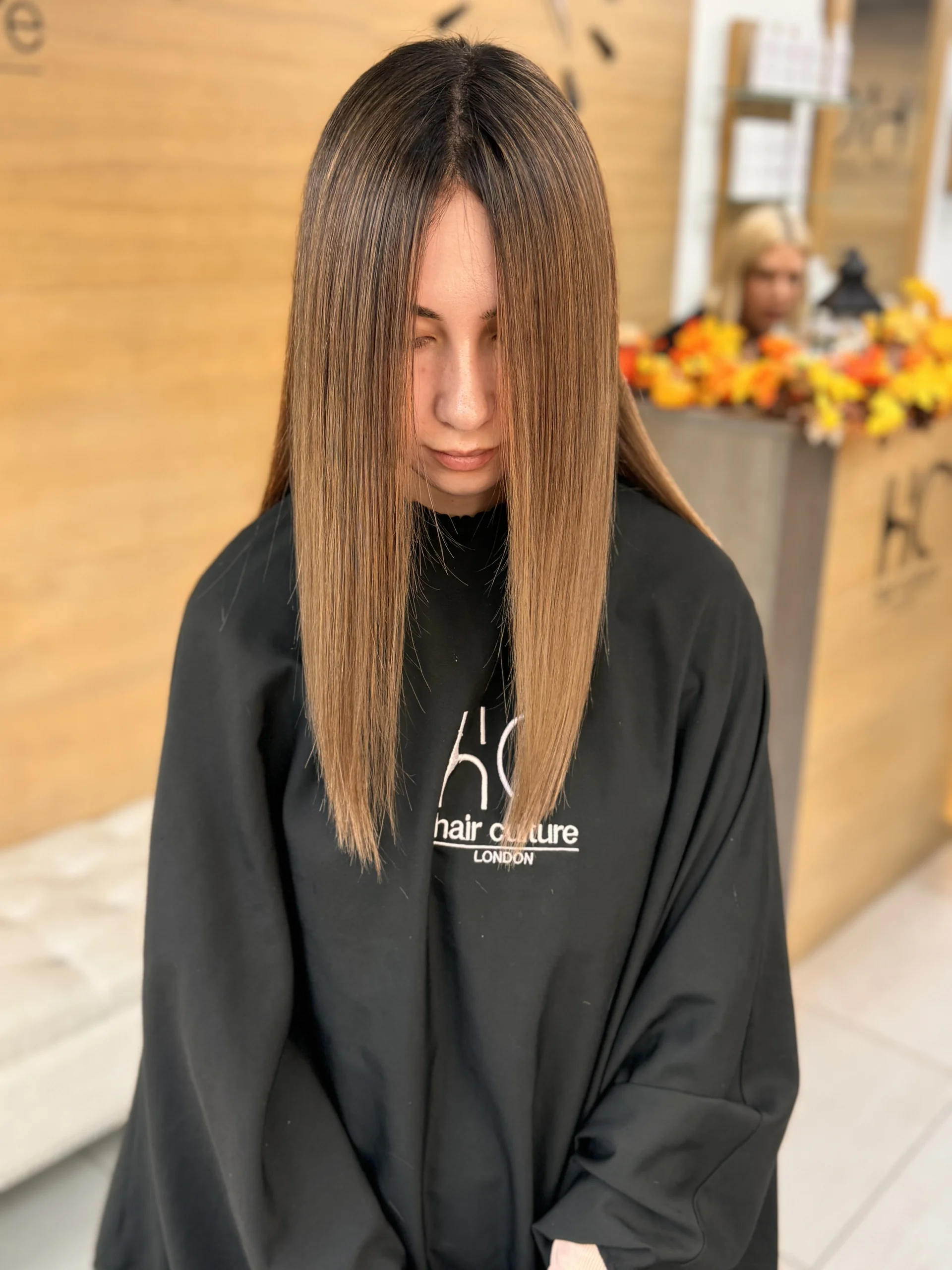
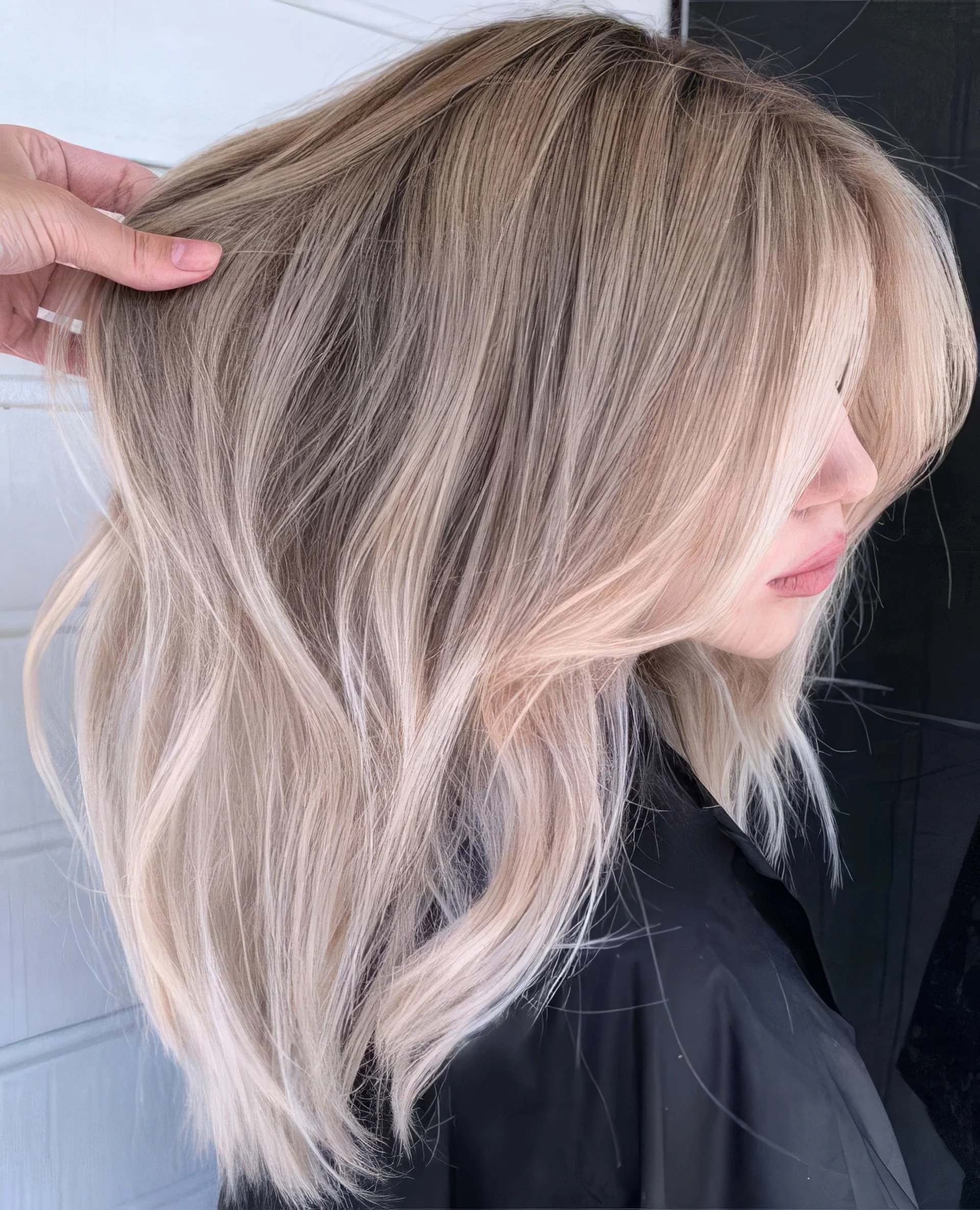
AirTouch creates a soft, seamless blonde with smooth transitions from the roots to the ends. There are no harsh lines because the weaker strands near the roots are blown out before hair colouring. The lightened sections sit deeper in the hair, so the finished look appears refined and balanced. The blonde looks natural, even at high lift.
The results are clean and modern. The colour spreads smoothly through the lengths, and the tone stays even. AirTouch often looks brighter at the ends and softer at the roots, giving the hair a luxury finish. Because the transitions are gentle, the grow-out takes longer and the colour stays fresh for months.
AirTouch suits clients who want a natural, flowing blend without strong root contrast. It works well on previously coloured hair, clients with uneven colour history, and those with fragile strands who need a careful approach. It also fits clients who prefer long breaks between appointments and want a polished blonde that lasts.


How to Care for AirTouch Hair
What your hair needs after AirTouch
AirTouch creates a soft and seamless blonde, but like all lightened hair it needs gentle care. Use a colour-safe shampoo and conditioner to protect the tone and keep the hair smooth.
Good options from our shop include the Hair Culture Colour Safe Shampoo and the Hair Culture Colour Safe Conditioner.
A weekly mask helps keep moisture in the hair. The Hair Culture Repair Mask is a strong choice for this.
AirTouch avoids colouring the weaker hairs, but the lifted strands are still more delicate. Overuse of heat, hard water, friction and rough brushing can cause dryness or breakage. Always use heat protection before styling. The Hair Culture Heat Defence Spray helps protect the hair when using blow-dryers or straighteners. A hydration spray also supports daily softness. The Hair Culture Hydration Spray is ideal for everyday use.
AirTouch grows out slowly, but the tone still needs refreshing. Most clients return every eight to twelve weeks for toner to keep the blonde clean. Full lightening is usually needed only every three to six months. Build-up removal in the salon is recommended, especially for clients with hard water. This helps keep the colour bright and prevents brassiness.
Colour-Safe Wash
Use Hair Culture Colour Safe Shampoo and Conditioner to protect tone and avoid fading.
Deep Moisture
A weekly Hair Culture Repair Mask keeps the hair soft and supports the lifted strands.
Heat Protection
Hair Culture Heat Defence Spray prevents dryness caused by styling tools.
Daily Hydration
Hair Culture Hydration Spray reduces tangles and protects the hair during the week.
Regular Toner
A salon toner every eight to twelve weeks keeps the blonde clean and refined.
How AirTouch Differs From Other Techniques
Air Touch uses air to separate strong and weak strands
AirTouch is different from classic highlights and babylights because it uses air to separate the hair before applying the lightener. A hairdryer blows out the weaker, shorter strands, leaving only the stronger ones inside the foil. This creates a smooth blend and protects the fragile hairs from damage. Classic highlights and babylights do not use this air separation step.
Compared with classic highlights, AirTouch gives a much softer root area. There is no strong contrast or sharp line because the fine, weak strands near the roots are not coloured. Classic highlights create a clearer pattern and brighter sections, while AirTouch creates a seamless transition from dark to light.
Compared with babylights, AirTouch still gives a soft and blended look, but the technique is more advanced. Babylights use many fine sections, while AirTouch uses air to decide which strands are safe to lighten. This makes it a good choice for clients with colour build-up, previous dye, or fragile hair that needs a careful approach.
The result is a modern, luxury blonde that lasts for months, grows out slowly and looks smooth even when the colour is very light
Highlights vs Babylights vs AirTouch
Comparing the Three Blonding Techniques
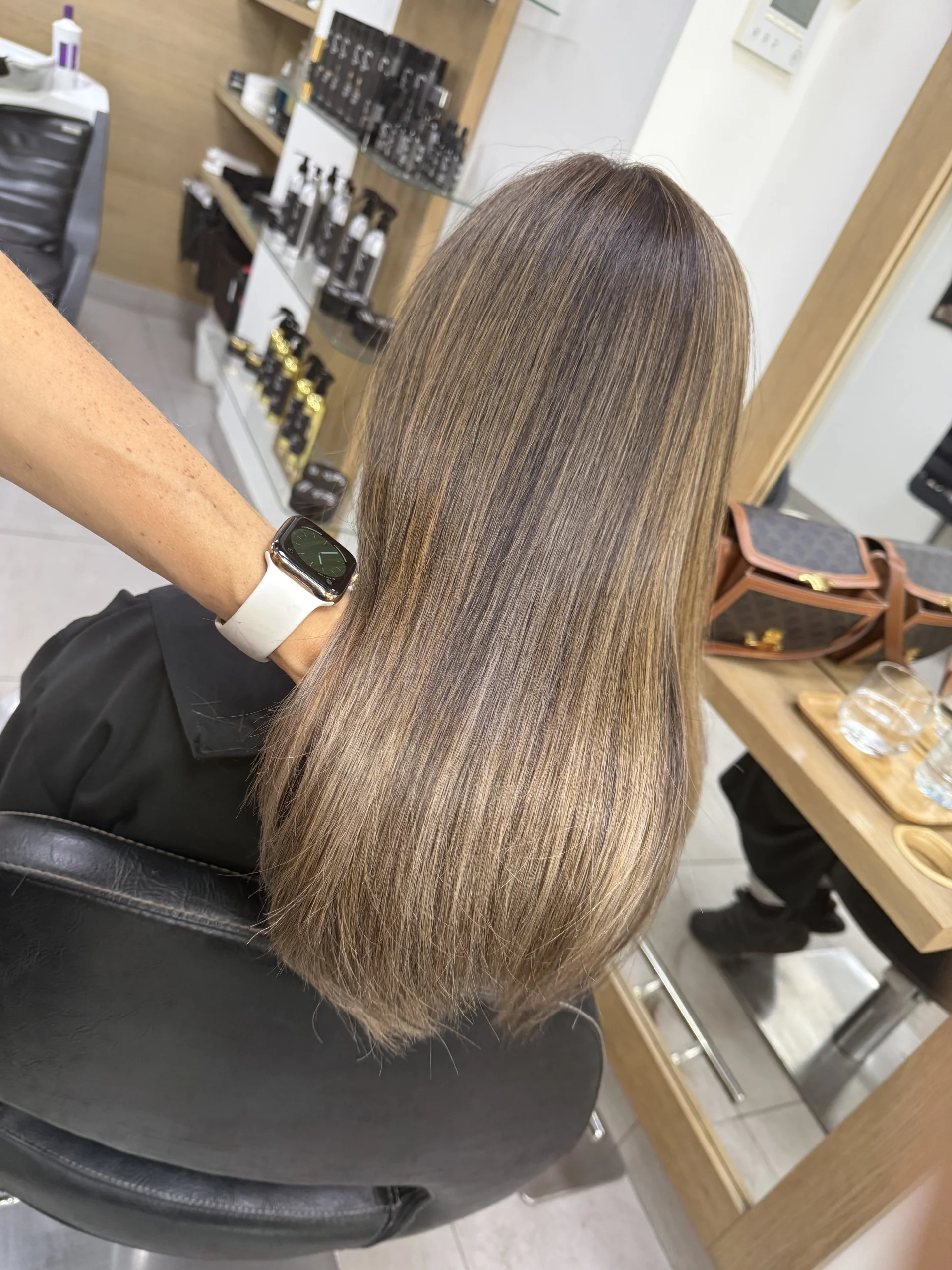

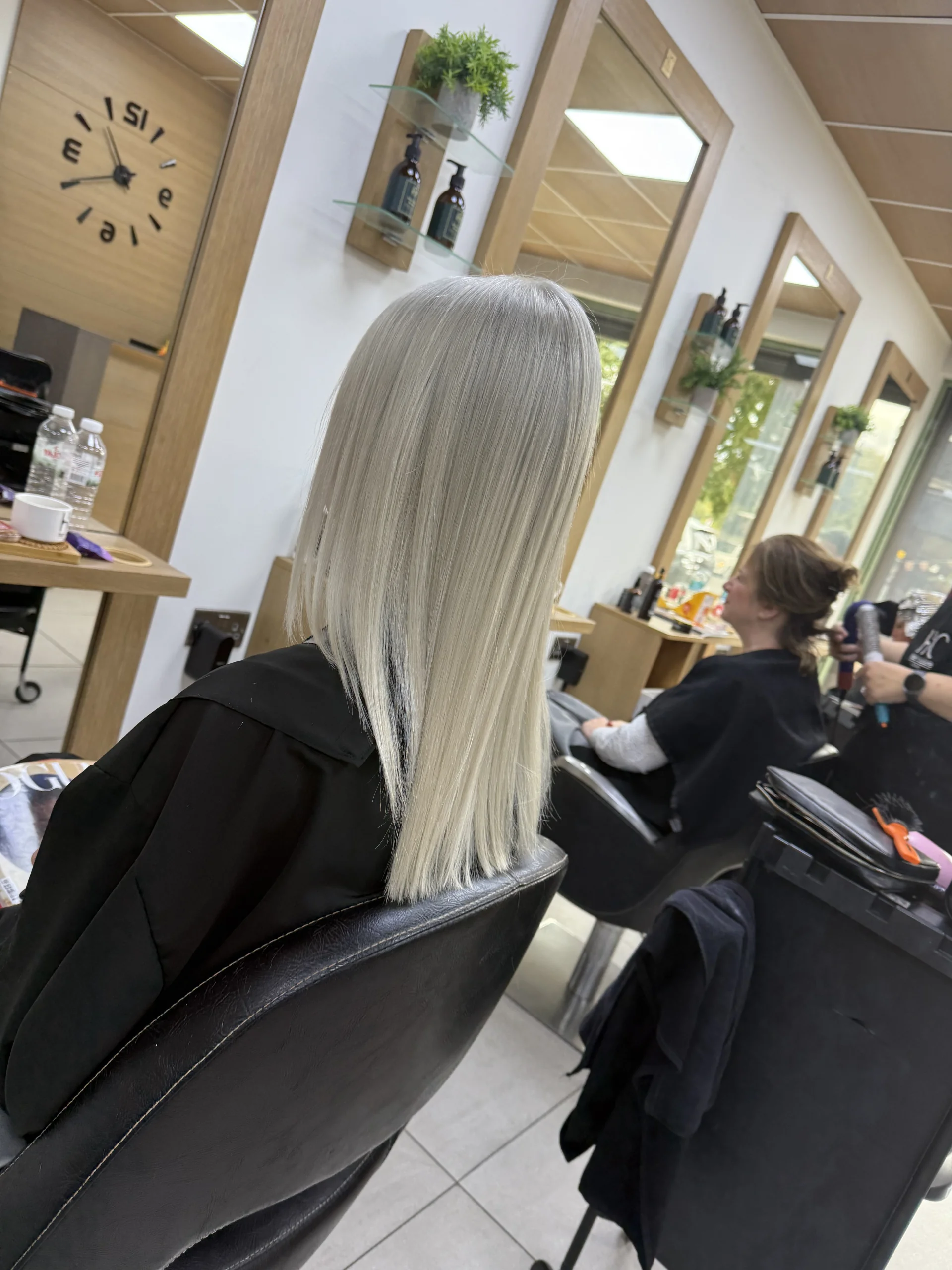
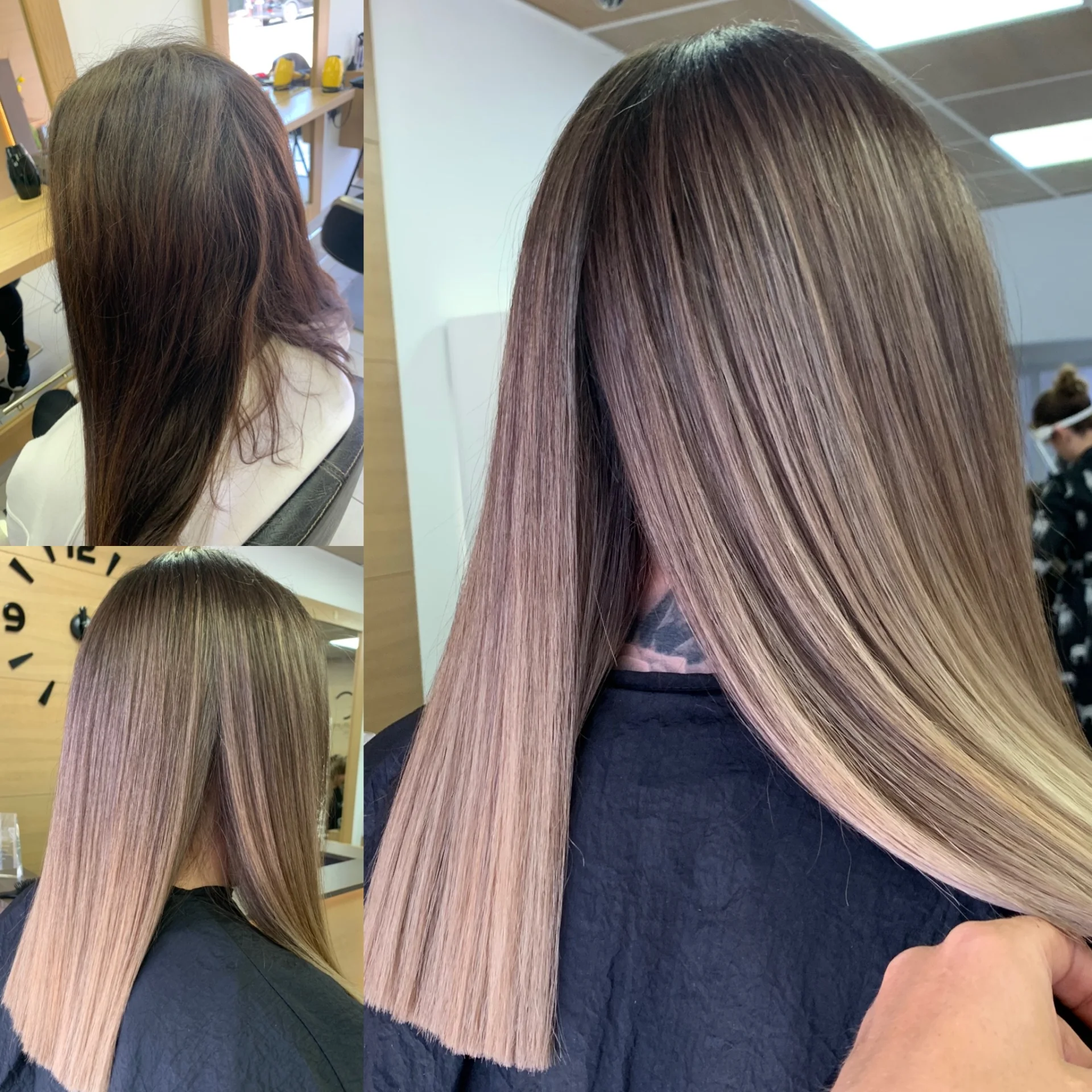
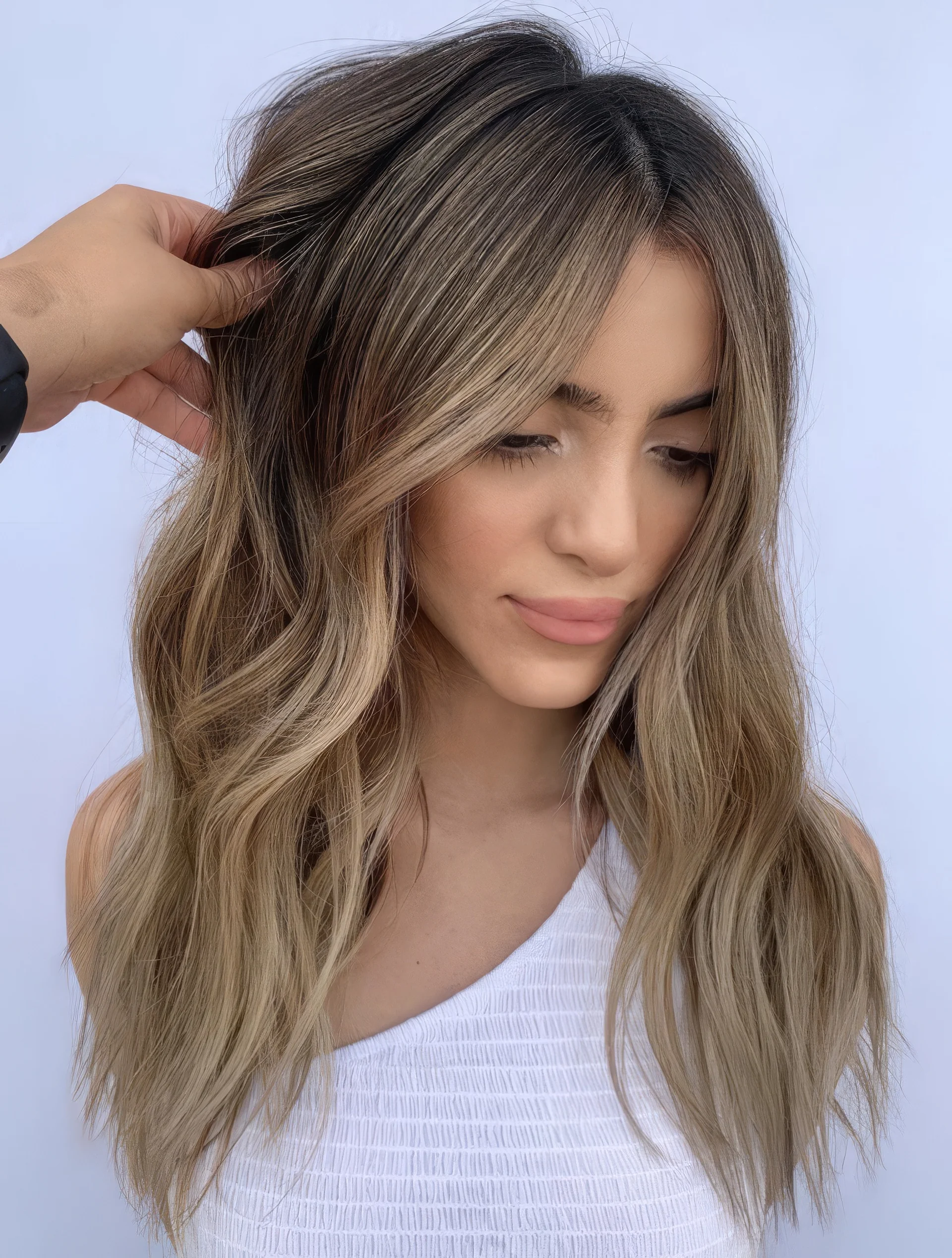
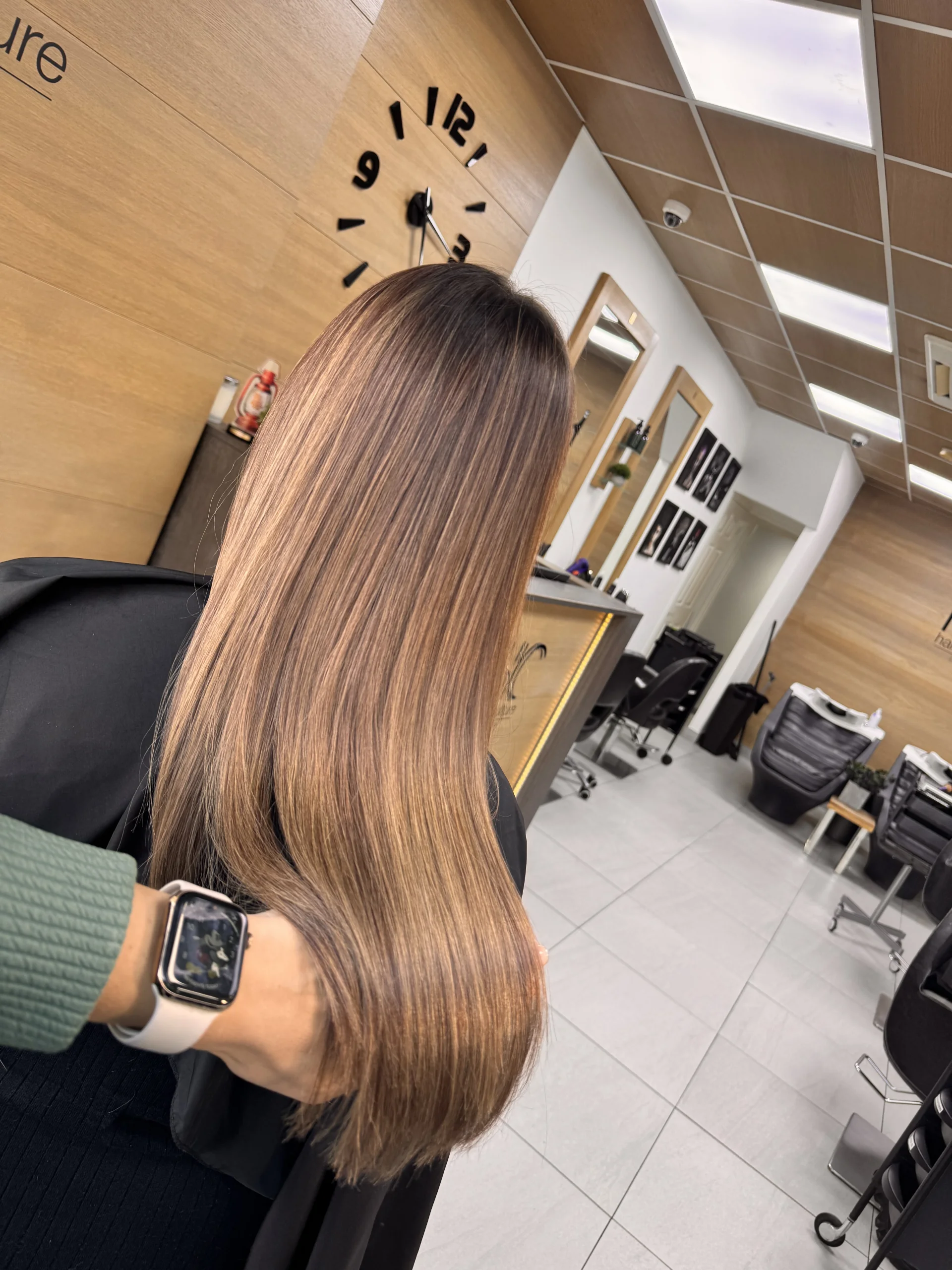
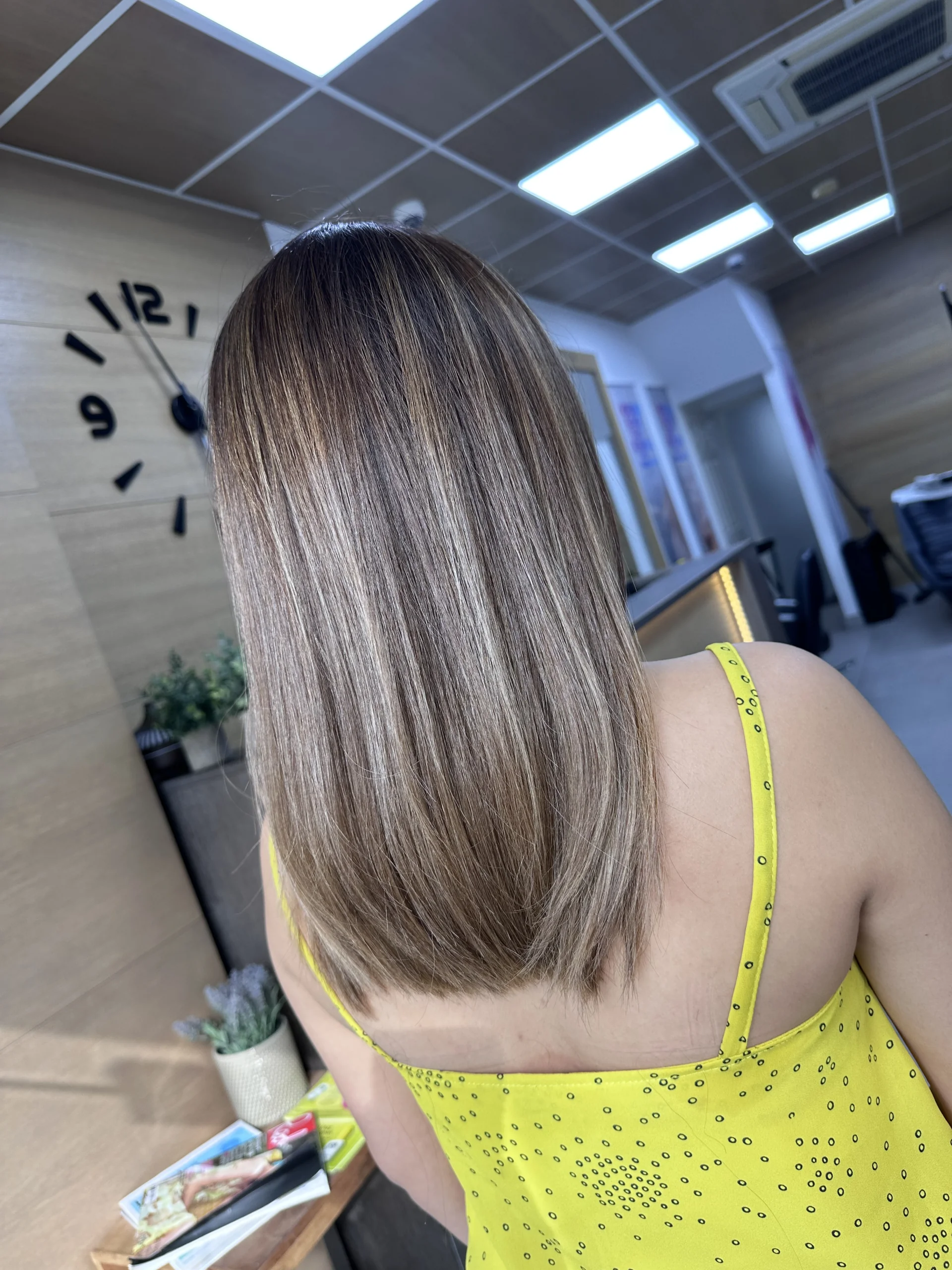
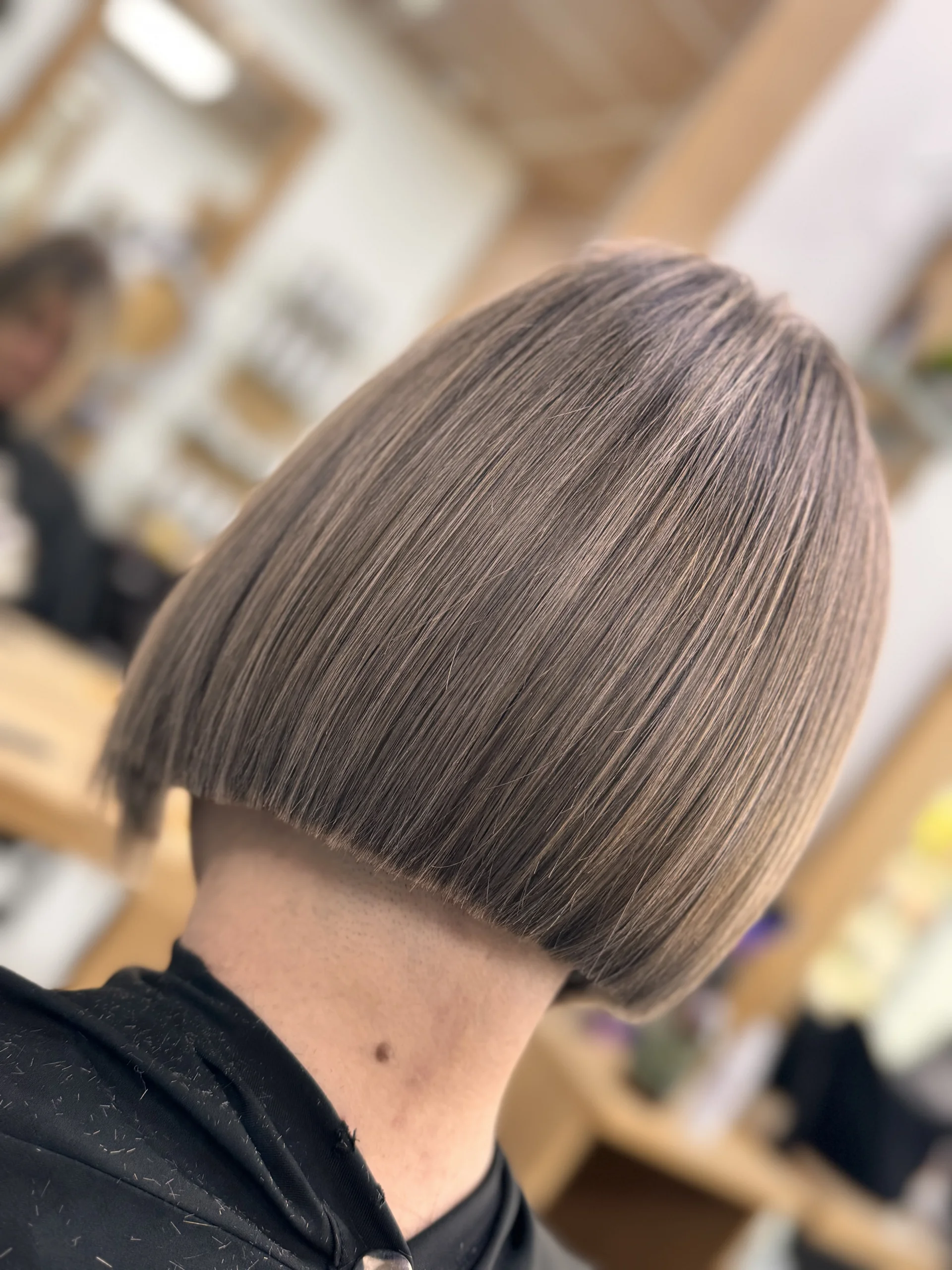
Choosing the right blonding technique can feel confusing because all three methods lighten the hair but give very different results. Classic highlights add clear brightness and strong contrast. Babylights create a soft, natural blonde with fine strands and no visible stripes. AirTouch uses air to separate the hair, giving the smoothest and most seamless blend. Each method suits different hair types, colour history and maintenance levels.
Classic Highlights
Strong contrast, brighter pieces and a clear pattern. Good for clients who want to see their blonde and prefer a bold, fresh look. Regrowth shows sooner.
Babylights
Fine strands and a soft blend with no harsh lines. Best for clients who want a natural, delicate blonde with slow, gentle regrowth.
AirTouch
Uses air to remove weak hairs before colouring. Creates a seamless blend from root to end. Ideal for clients with previous colour or fragile hair who want long-lasting softness.
The right choice depends on how bright you want to be, how natural you want the roots to look, and how often you want to return to the salon.
Classic highlights grow out faster but give the boldest lift. Babylights blend softly and look expensive with gentle regrowth. AirTouch keeps the hair looking clean and smooth for the longest time, even on damaged or previously coloured hair. This comparison helps you understand the main differences so you can choose what fits your hair and your lifestyle.
How Each Technique Affects Hair Health
Hair Health, Damage, Build-Up and Realistic Limits
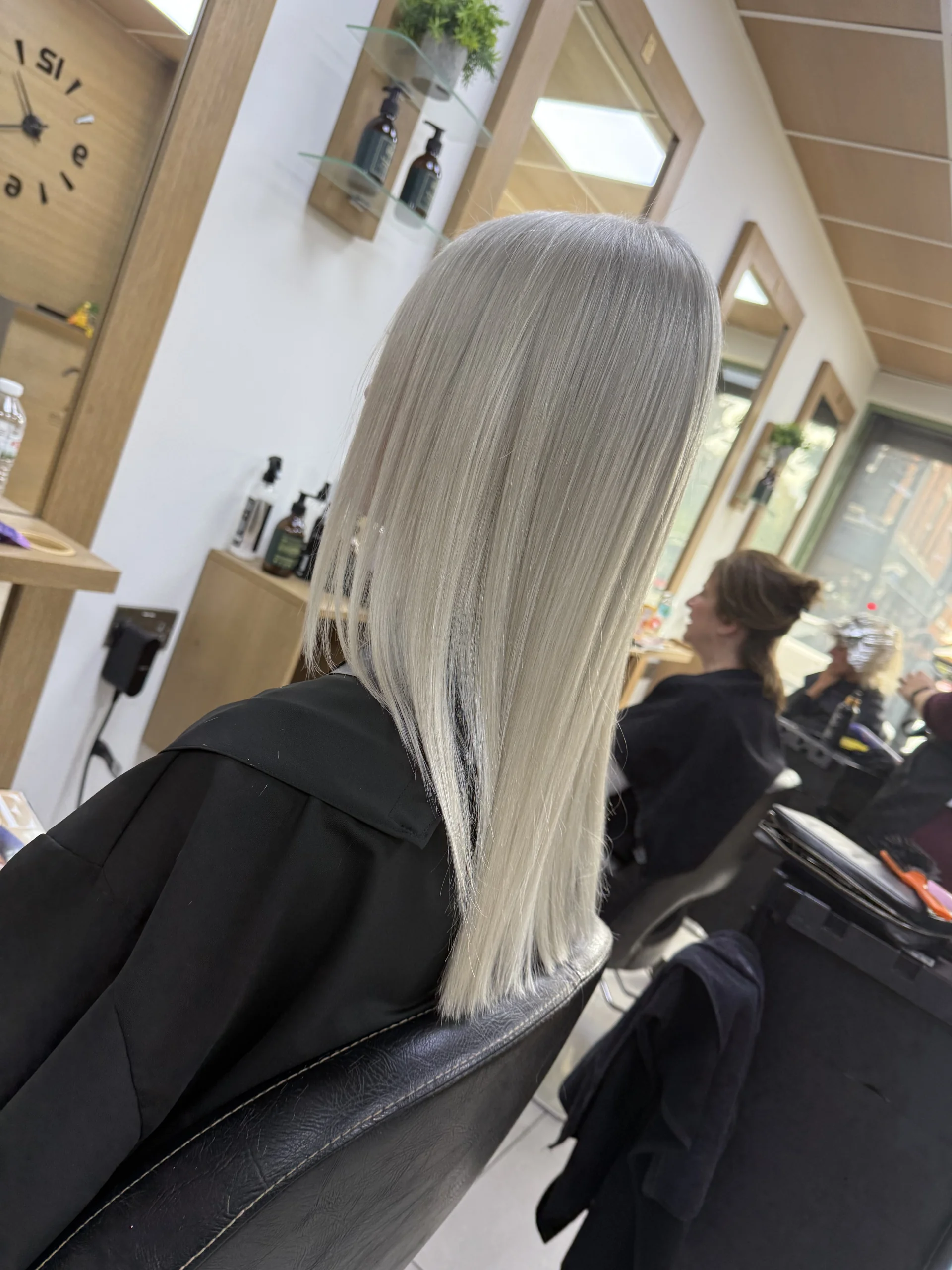
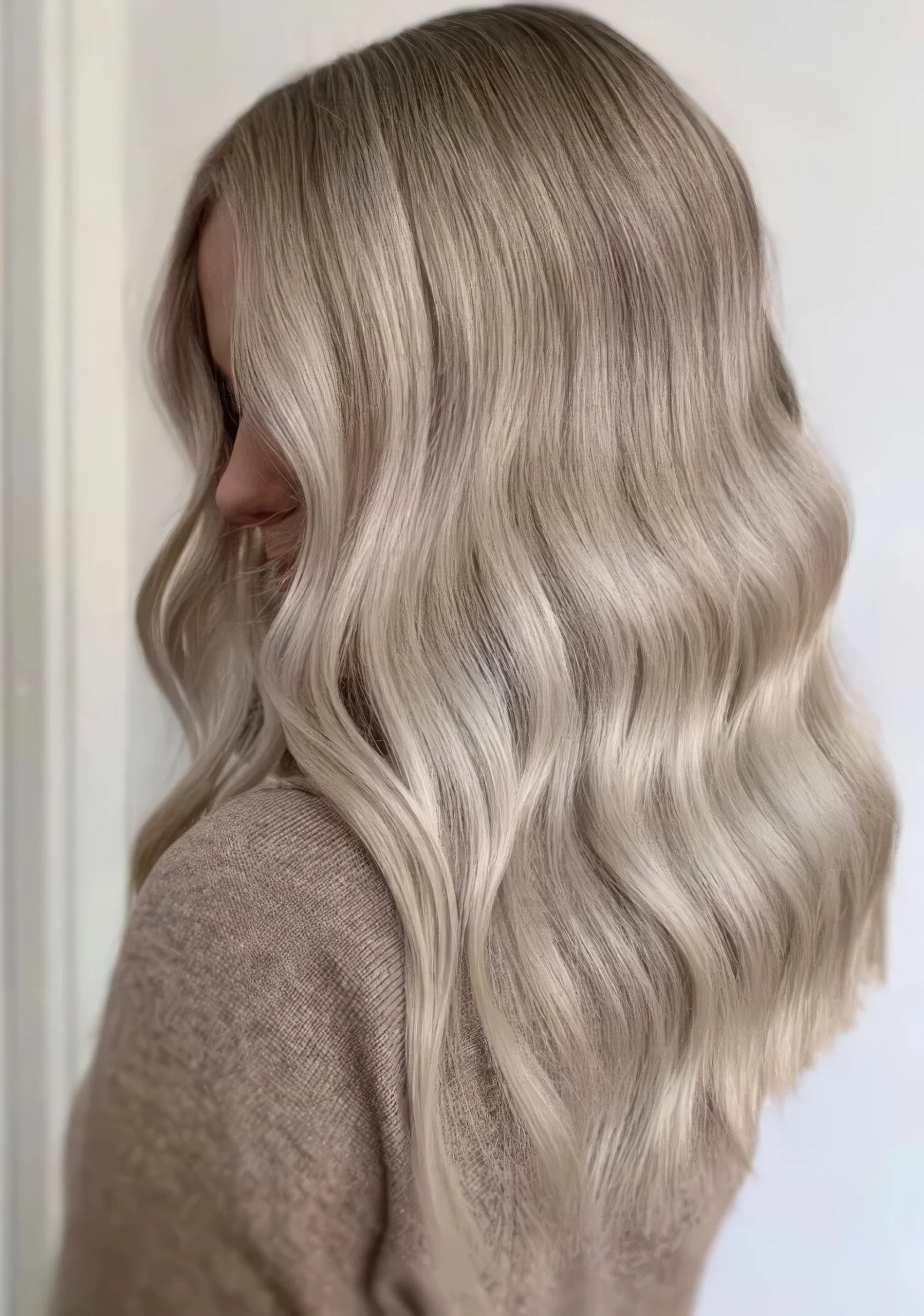
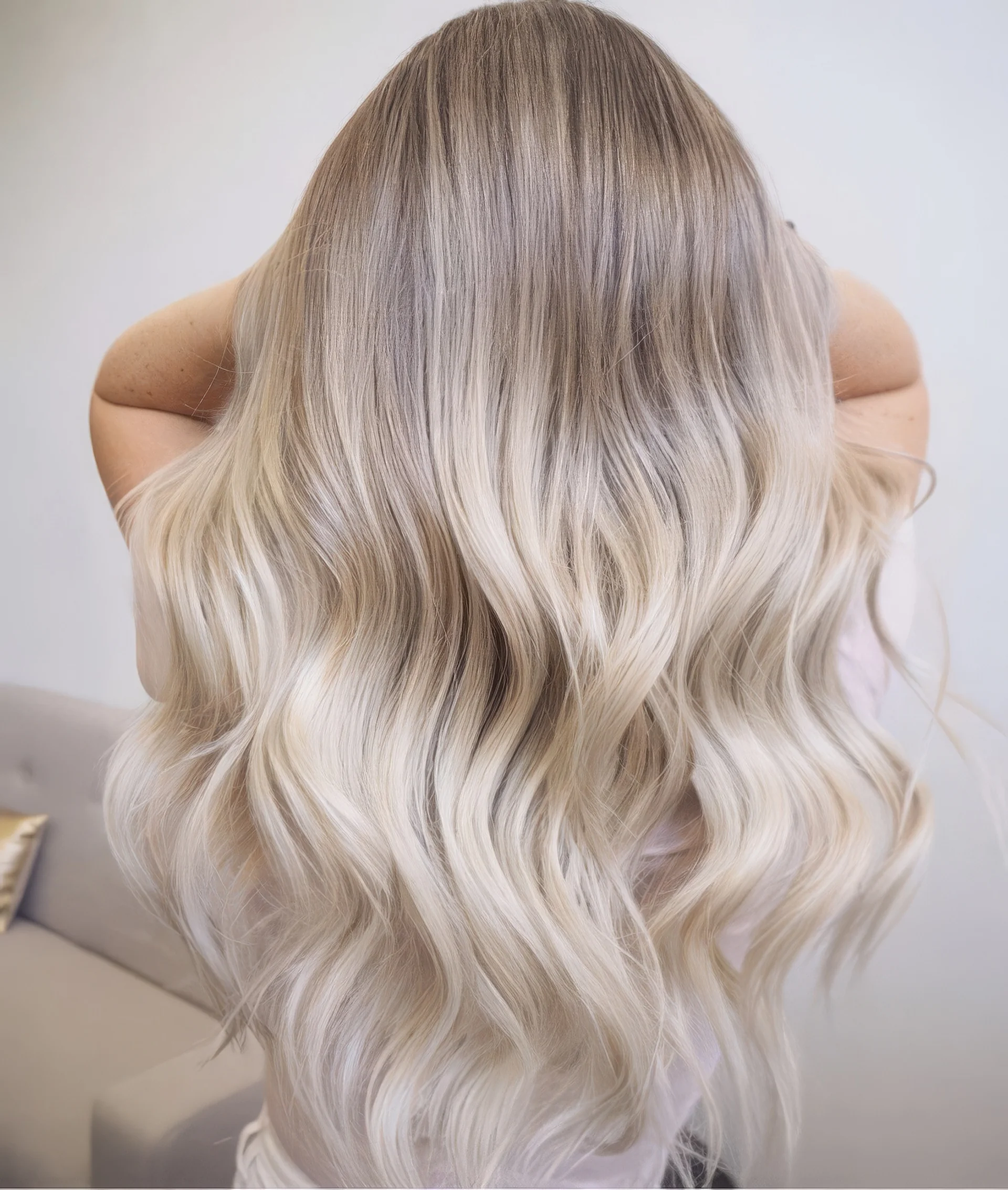
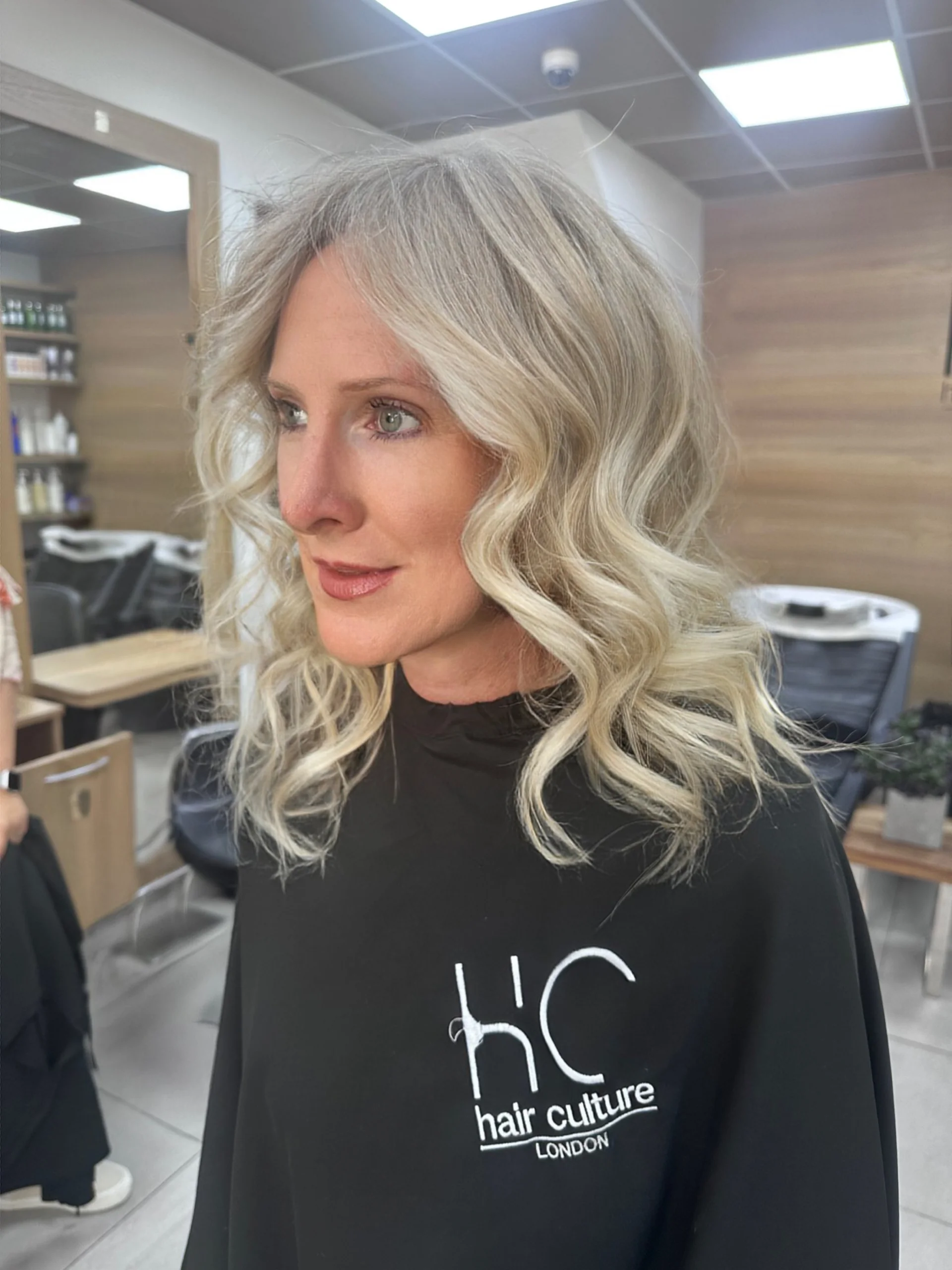
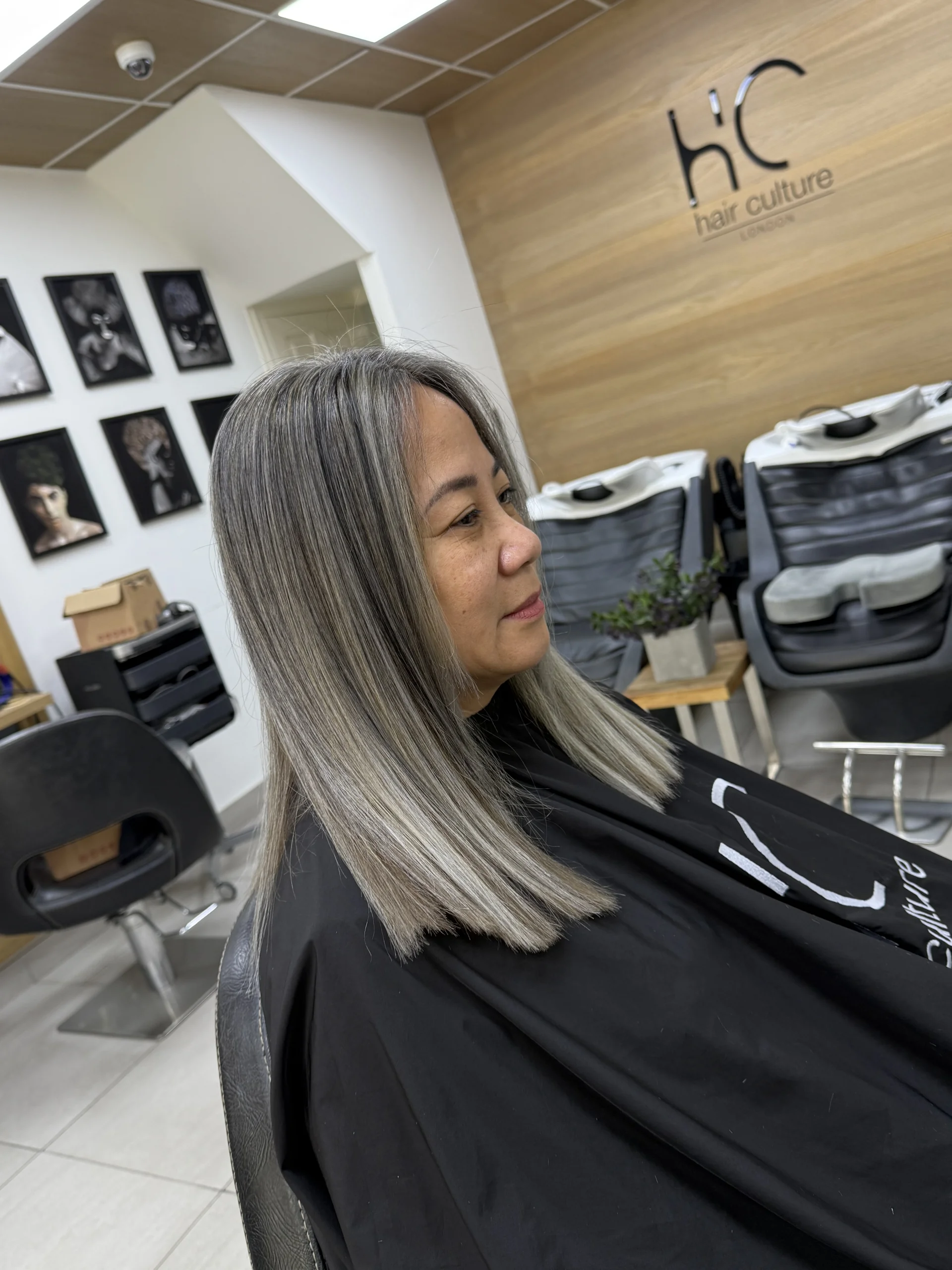
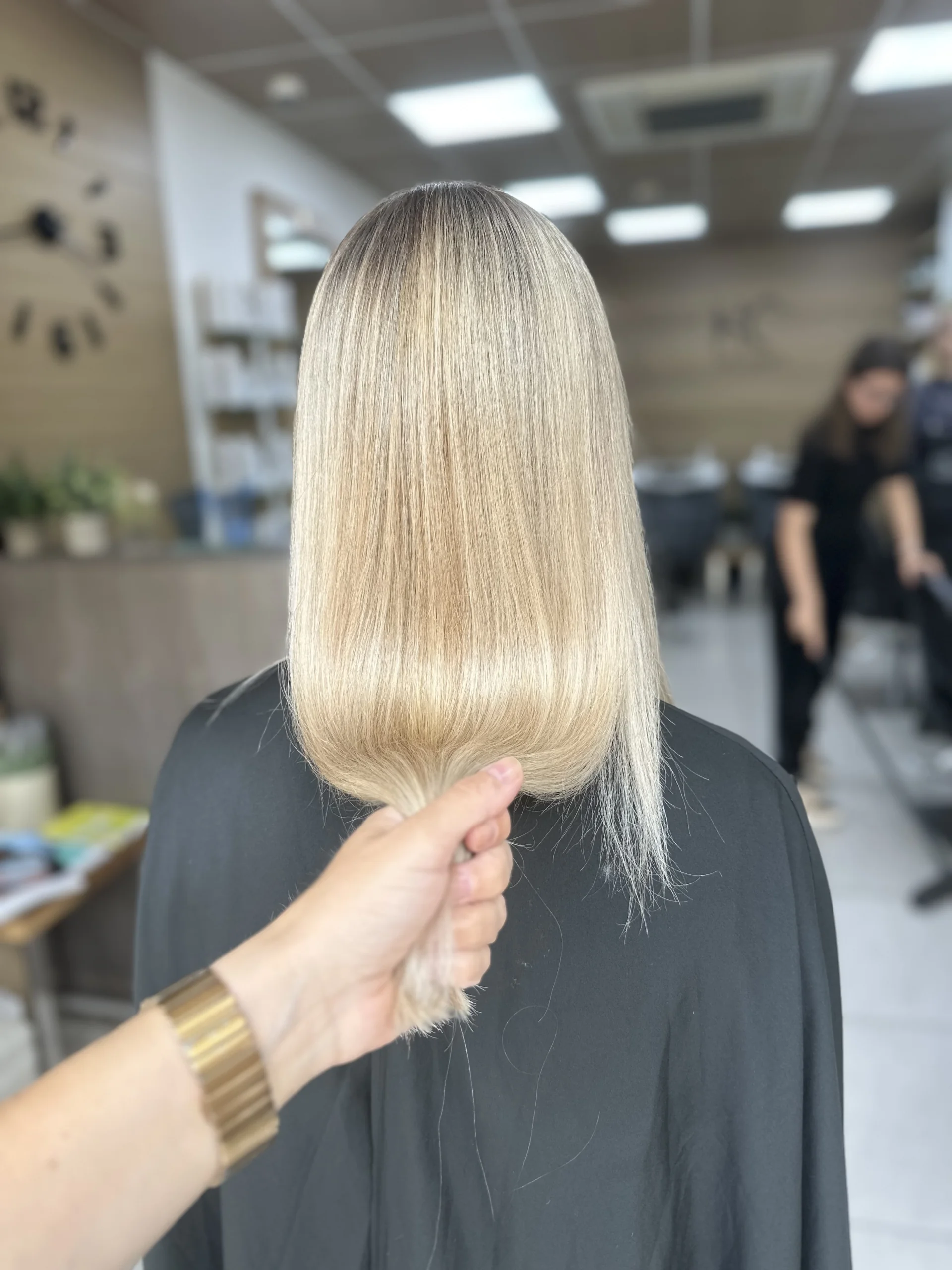
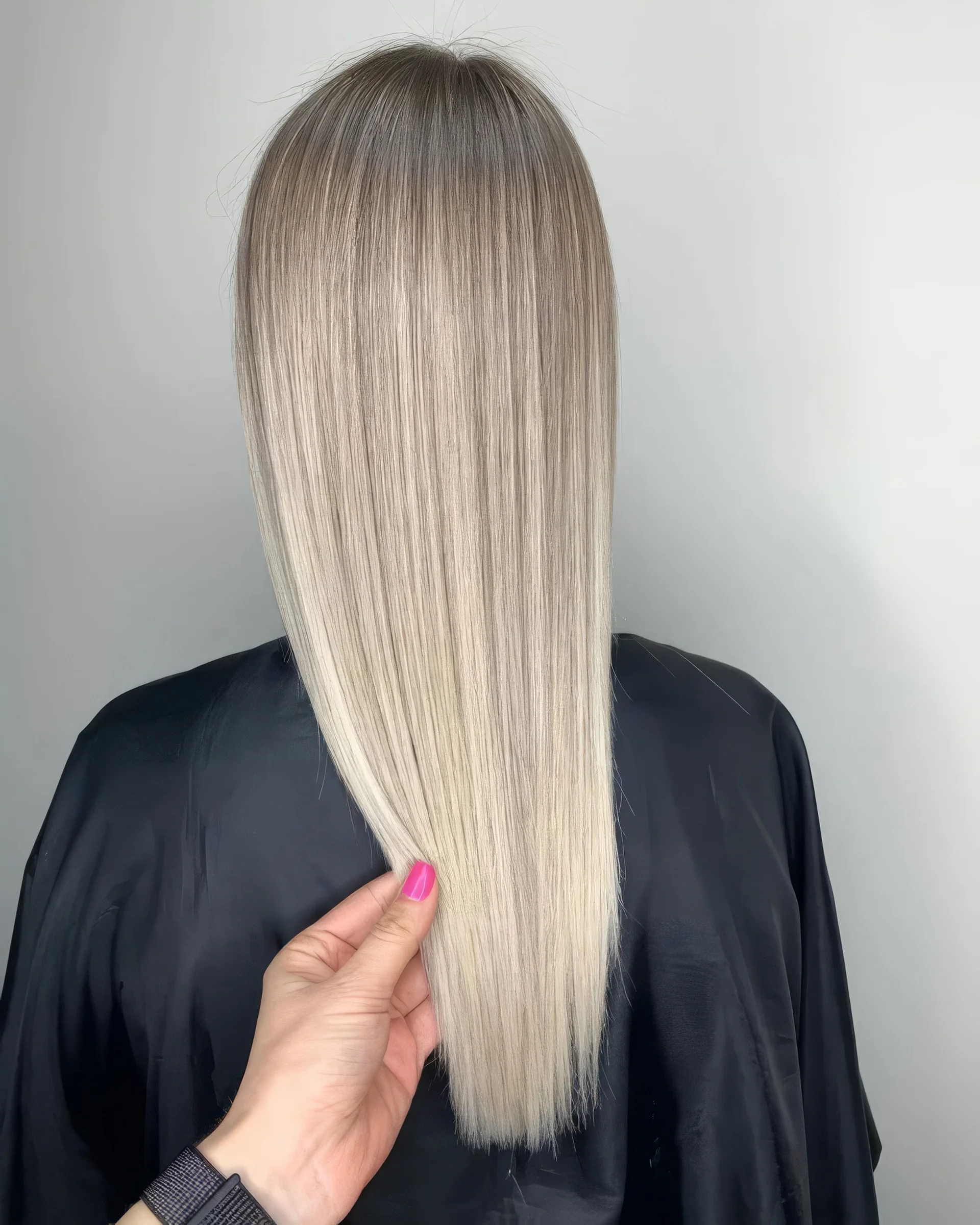
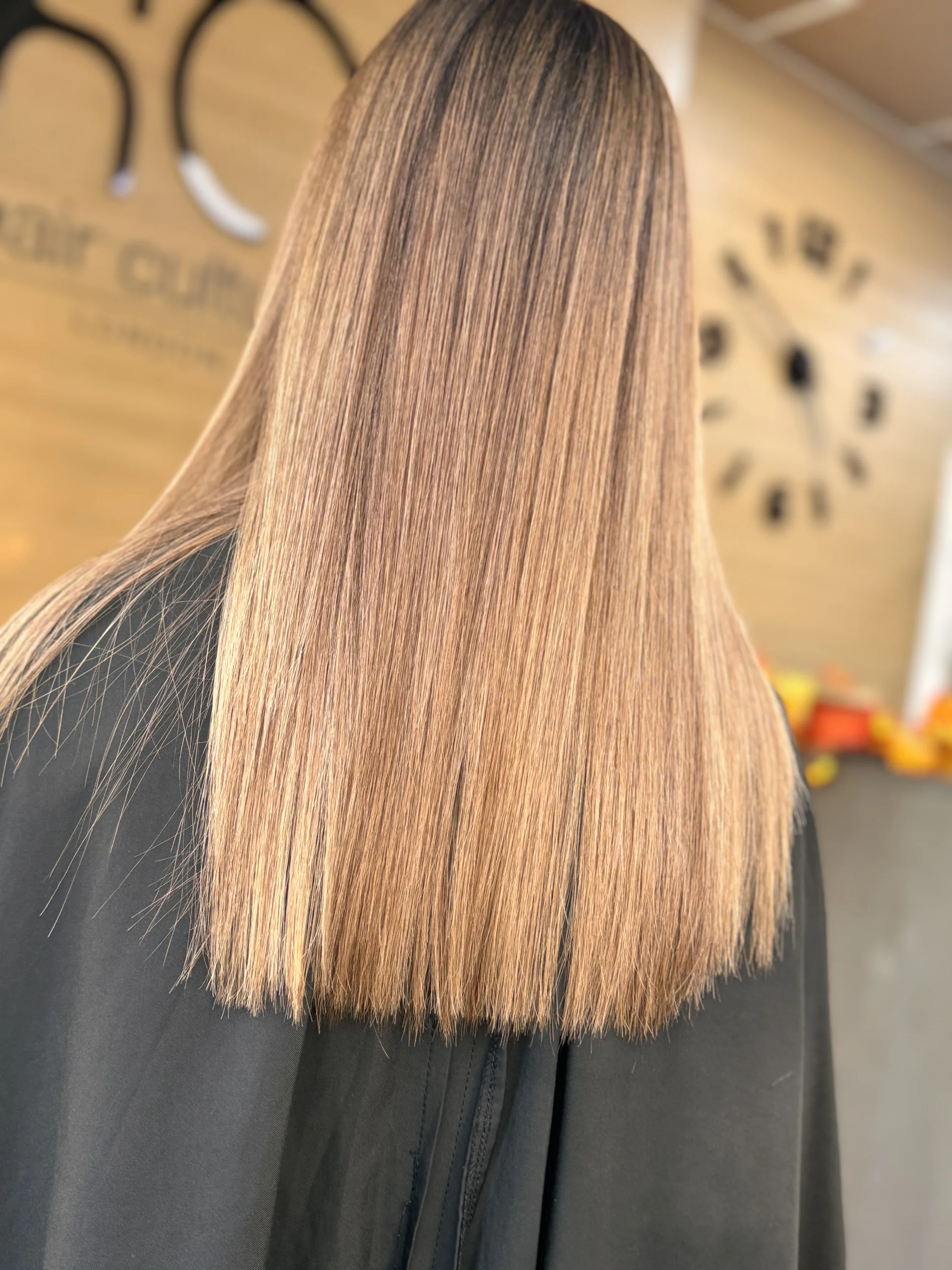
Hair health is the most important factor in blonding. Before choosing a technique, the stylist checks the strength, elasticity and condition of your hair. Classic highlights, babylights and AirTouch all lift colour, but they affect the hair differently. Classic highlights colour more strands and can create stronger contrast, so the hair needs good strength. Babylights use many fine sections, which can dry out if the hair is already fragile. AirTouch avoids weaker strands, making it the gentlest option for damaged or coloured hair.
Build-up also changes how blonde looks. Minerals from hard water, old toner, dust and product residue can make the hair appear darker or brassy. This affects all three techniques but shows more strongly in lighter blondes. Build-up removal helps the toner sit cleanly and keeps the hair bright. Without this, even the best blonding fades faster.
Realistic limits depend on your colour history. Hair that has been box dyed, bleached many times or damaged from heat cannot safely reach very light blonde in one session. Classic highlights may need more sessions. Babylights take time because the sections are small. AirTouch may be safer, but still cannot push hair beyond its strength. A strand test helps decide what is possible.
Healthy blonding means respecting the limits of your hair and planning the result over time when needed
Classic Highlights
Classic highlights lift many visible strands, so the hair needs good strength. Build-up and damage show faster because the contrast is stronger.
Good for clients who want bright, visible strands and do not mind faster regrowth.
Babylights
Babylights use many fine strands, so the hair must stay well-hydrated. They hide build-up slightly better but still need good care.
Good for clients who prefer a soft, natural blonde with gentle, low-contrast roots.
AirTouch
AirTouch avoids the weakest strands, making it the safest method for fragile, damaged or heavily coloured hair. Build-up still affects tone but the blend lasts longest.
Good for clients who want a seamless blend, slower regrowth and the safest option for fragile or coloured hair.
Choosing the Right Technique for Your Hair
Simple advice to help you pick the right method
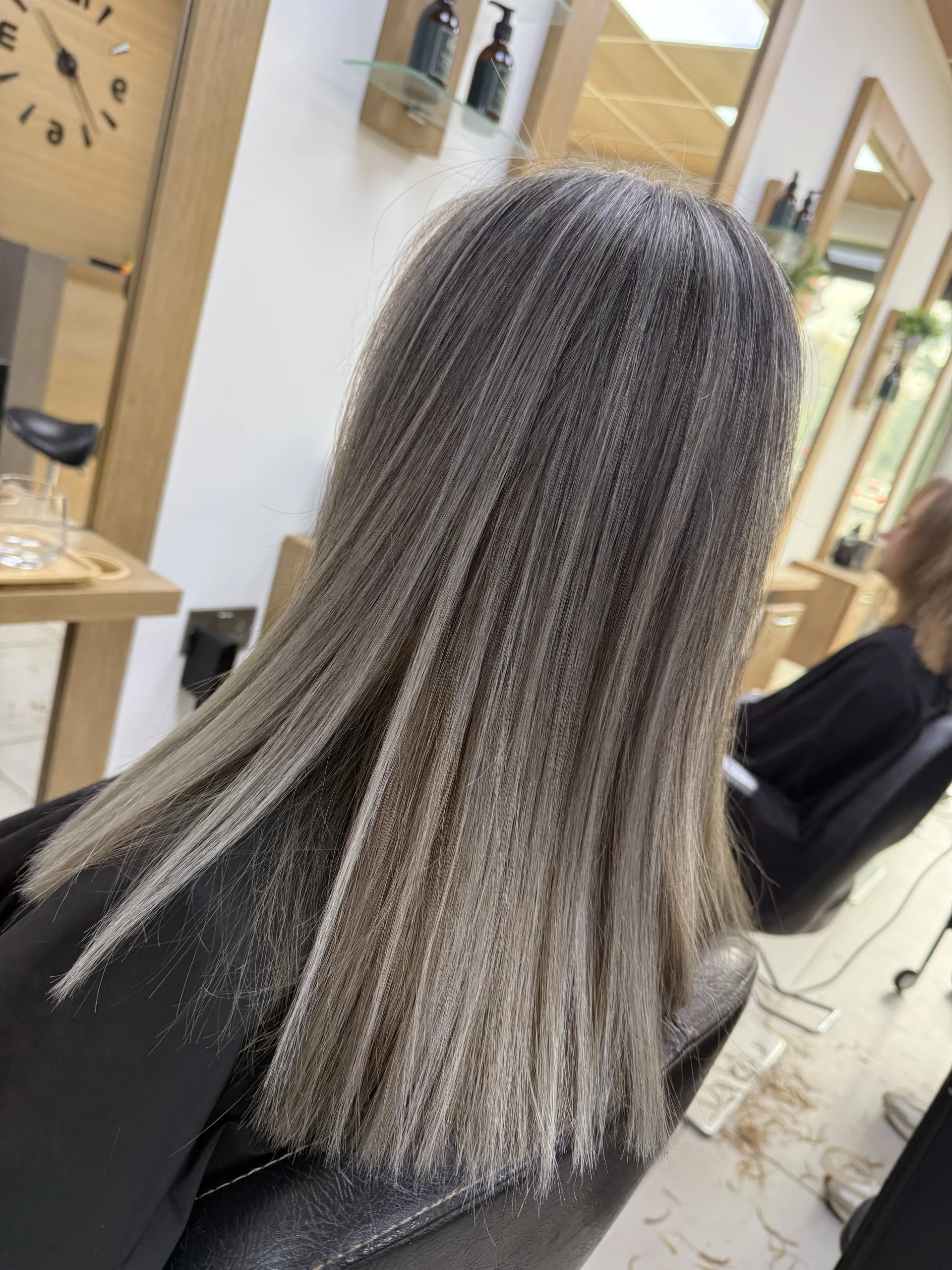
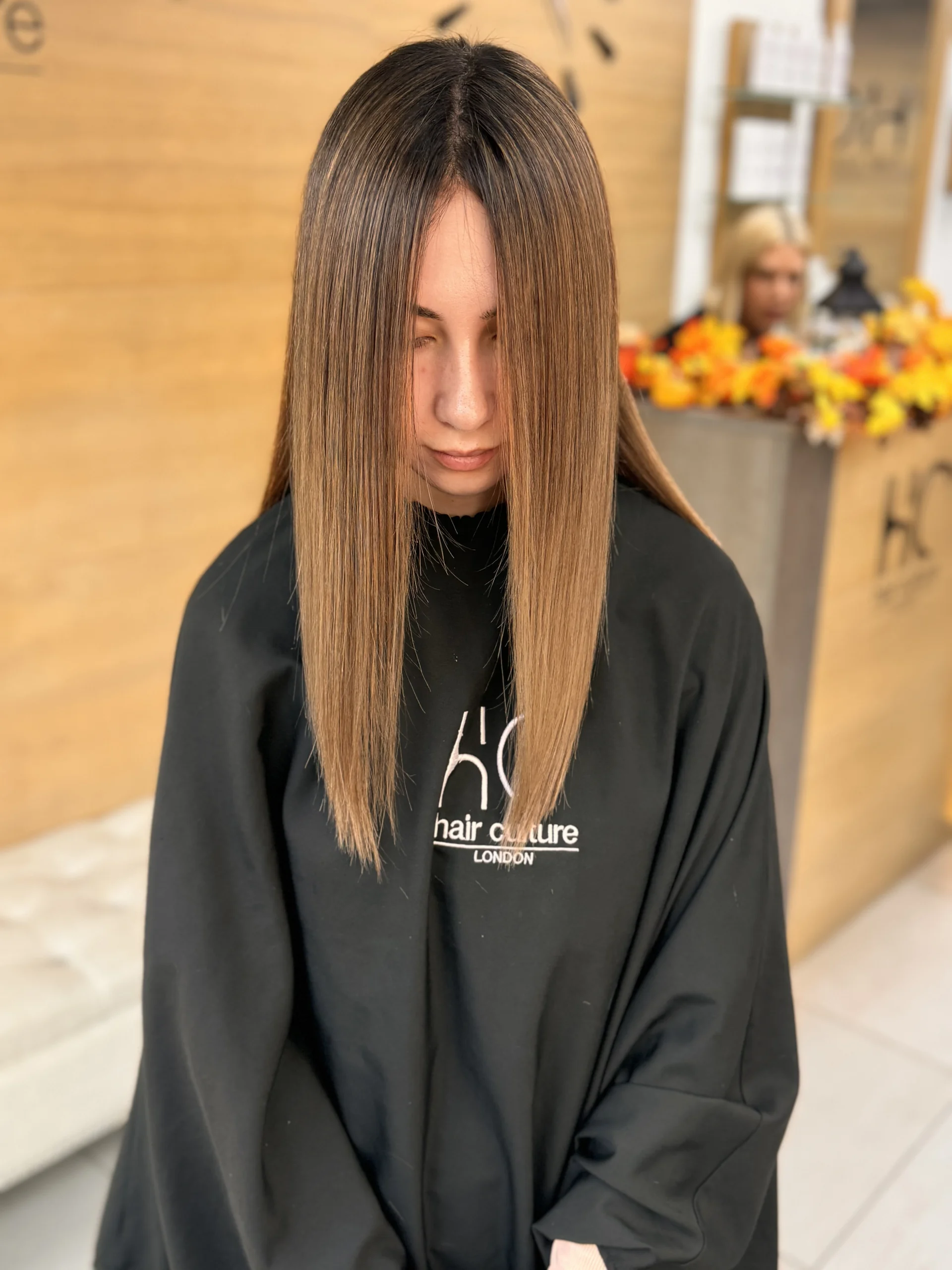
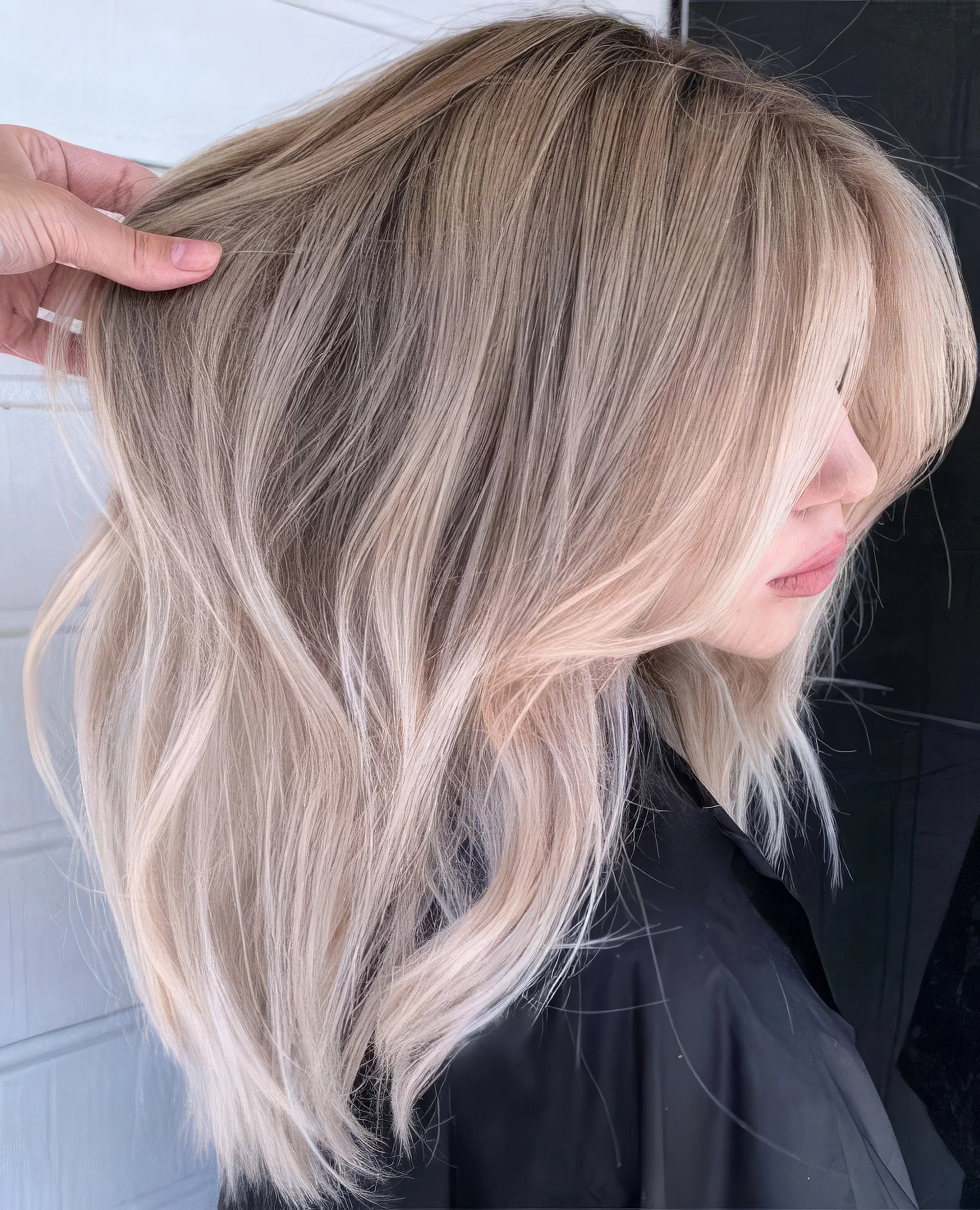
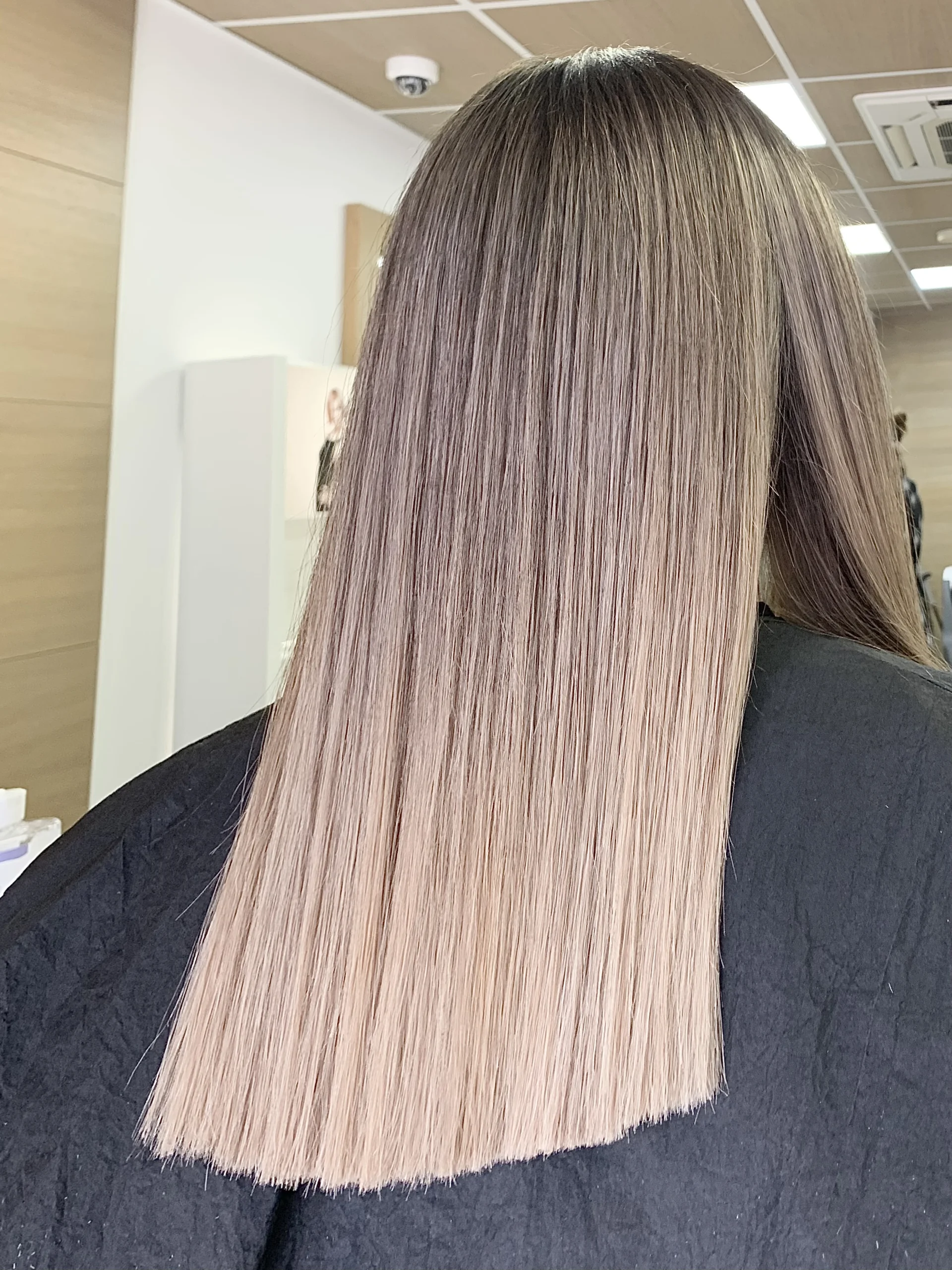
Choosing the right blonding technique depends on your hair condition, your colour history and your lifestyle. Classic highlights, babylights and AirTouch all create blonde results, but they work differently on each client.
The right choice starts with how healthy your hair is, how much contrast you want and how often you want to return to the salon.
If you want strong brightness and clear strands, classic highlights are the easiest way to get a bold and fresh blonde. If you want a soft and natural look with gentle roots, babylights are the better option. If your hair is fragile, previously coloured or uneven, AirTouch gives the safest and smoothest result.
Hair Condition
Strong hair can handle highlights. Fragile hair is safer with AirTouch.
Colour History
Old dye or box colour responds better to AirTouch or babylights.
Maintenance Level
Classic highlights need faster upkeep. AirTouch needs the least.
Preferred Look
Choose highlights for bold contrast, babylights for soft blends, AirTouch for seamless colour.
Realistic Goals
Your hair strength sets the limit. Some looks need several sessions.
For the best outcome, think about how light you want to be, how subtle you want your roots to look and how much time you want to spend on upkeep. Your stylist will also check your hair strength and decide what is safe in one session. Healthy blonding always comes from choosing a technique that matches your hair’s limits.
Consultation – The Key to Safe Blonding
Avoid damage by choosing the right method
A consultation is essential because blonding depends on the real condition of your hair, not just on the colour you want. Before choosing any technique, the hair must be checked for strength, elasticity, porosity and past colour build-up. This helps decide what is safe, realistic and healthy. Without this step, even the best technique can cause damage or give uneven results.
A hair consultation also shows how much lift your hair can handle in one session. Dark bases, old box dye, previous bleaching or heat damage can limit how light you can safely go. This is natural and normal. A proper assessment avoids pushing the hair too far and helps create a plan that fits your hair’s current state.
Even though each salon has its own approach, one thing stays the same: professionals who work with colour every day understand how different hair types react to bleach and tone. This experience helps guide clients in a safe and honest way without guessing or risking the hair’s health.
Our Approach to Personalised Colour
How We Personalise Your Colour at Hair Culture London

At Hair Culture London, we personalise every colour because no two clients have the same hair, history or goals. Our work starts with listening. We ask what you like, how light you want to go, how often you visit the salon and how your hair behaves day to day. This helps us understand what you want and what your hair can safely handle.
We then check your hair’s condition, previous colour, strength and natural tone. These details guide us when choosing between classic highlights, babylights or the AirTouch technique. Some clients need softness, some need brightness and some need the safest possible approach. We decide this together with you, clearly and calmly.
We work with blonding every day, so we understand how different hair types respond. We keep learning, improving and updating our skills so we can give honest advice, not guesses. This experience helps create results that look clean, blend well and stay healthy over time. It also helps us know when a look is possible in one session and when it needs a plan spread over several visits.
Our goal is simple: to create a blonde that suits your features, fits your lifestyle and keeps your hair in good condition. The process is personalised, careful and based on real daily practice.
Personal Assessment
Every colour starts with a calm check of your hair’s condition and history.
Technique Matching
We choose highlights, babylights or AirTouch based on what your hair can safely handle.
Experience-Based Advice
We work with blonding daily, so our guidance comes from real practice, not theory.
Tailored Colour Plan
We plan your blonde in the safest way, whether it takes one session or several.
Continuous Learning
We keep improving, learning and refining our skills, so your colour benefits from daily experience.
Highlights, Babylights and AirTouch – Frequently Asked Questions
Your Most Common Blonding Questions

This FAQ covers the most common questions clients have when choosing between blonding techniques such as classic highlights, babylights and AirTouch. The answers are written to give clear information for readers. Each answer explains how blonding works, what affects the result, how to maintain colour and how to protect hair health. This section is designed to give honest guidance and support safe, realistic expectations for anyone planning to go lighter.
Stay Connected
Subscribe for Blonde Care Tips and Colour Advice
Subscribing gives you simple, clear advice to help you look after your blonde at home. You receive guidance on how to keep your colour clean, how to avoid brassiness and how to protect your hair after highlights, babylights or AirTouch. The tips are easy to follow and based on real day-to-day experience with modern blonding techniques.
You also get updates on new blonding methods, hair health information and practical steps that support a brighter and longer-lasting blonde. It is a calm, helpful way to stay informed without confusion or guesswork.
Why Subscribe?
Signing up is easy! Simply enter your email address below and click subscribe to start receiving updates tailored to your hair care needs.
Join our community and let us help you achieve and maintain beautiful, healthy hair.